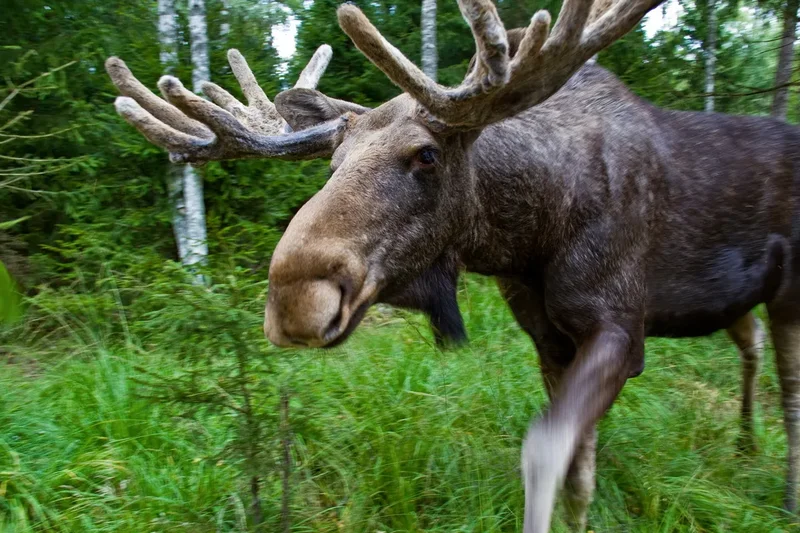
To get a picture of how much methane wild animals such as deer, moose and llamas emit, researchers at the Max Planck Institute in Jena, Germany, have used data on the size of animal populations and combined them with estimates of methane emissions based on body weight and diet.
According to their calculations, wild animals emit three million tons of methane each year. More than half comes from just six deer species, with the white-tailed deer the absolute worst. The common Swedish moose is far behind, but is still second on the emissions list.
Three million tons may sound like a lot, but it is no more than what Swedish animals in Swedish agriculture emit annually.
In 2024, methane emissions from Swedish animals were just over three million tons, according to statistics from the Swedish Environmental Protection Agency. At the time, this corresponded to about half of the emissions from the Swedish agricultural sector..
Methane is a greenhouse gas that strongly contributes to global warming, but it has also been called the emergency brake of climate change because it disappears from the atmosphere much faster than carbon dioxide.
Although animals are not responsible for the worst emissions (the majority of methane emissions comes from leaks in infrastructure for, e.g., fossil fuels and waste landfills), there is a lot of research underway on how to reduce methane emissions from domestic cows through diet, among other things.