A firefighter walks into a burning building, feels something wrong about the floor, and pulls his crew out. The floor collapses thirty seconds later. He can't explain how he knew.
That story is true, and it's most of the reason people believe in gut instinct. It's also why a lot of traders assume theirs will eventually sharpen. Mine didn't. Four years in I stopped waiting for it, not because I gave up, but because I found out why it was never going to happen.
Daniel Kahneman and Gary Klein spent a decade on opposite sides of this question. Kahneman studied where intuition fails. Klein studied firefighters and nurses whose intuition saved lives.
In 2009 they published a joint paper called "Conditions for Intuitive Expertise," and what they agreed on matters more than what they'd been arguing about. Gut instinct becomes reliable under two conditions. The environment has to contain stable patterns that can actually be learned, and you have to get fast, unambiguous feedback on whether you were right.
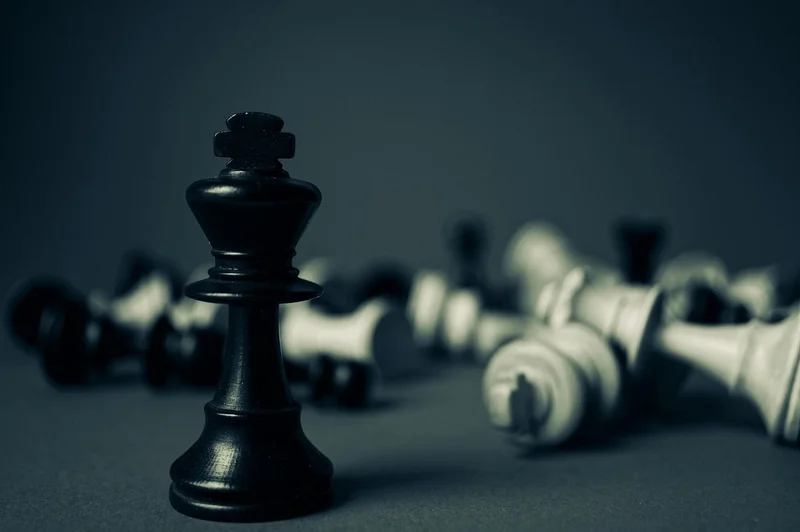
Chess clears both. Firefighting mostly clears both. The examples they gave of environments where intuition never develops, no matter how many years you spend in them? Stock picking and long-range prediction.
Trading fails both tests, and it fails the second one in a way that's worse than simply missing it.
The patterns move. A setup that printed money through 2021's liquidity flood was dead weight by mid-2022, and nothing announced the change.
But the feedback problem does the real damage. You can size correctly, enter at your level, honor your stop, and lose. You can chase a green candle at 3am with triple size and get paid. The market rewards and punishes without any regard for whether the decision was good.
So what does your brain extract from ten thousand of those reps? Not accuracy. The signal isn't in there to extract. What it builds instead is confidence, which feels identical from the inside.
That's why a ten-year trader and a two-year trader often have similar hit rates and wildly different certainty. Experience in a low-feedback environment doesn't calibrate you. It just makes you comfortable being wrong at higher volume.
Barber and Odean tracked roughly 65,000 households at a discount brokerage from 1991 through 1996. The most active fifth of those traders earned 11.4% a year after costs. The least active fifth earned 18.5%. Seven percentage points, every year, and the explanation the authors kept returning to was overconfidence.
Here's the part that should bother you. That top quintile wasn't the careless group. Those were the people paying closest attention, the ones with a view on everything. Their gut was talking loudest, and it cost them a third of their return.
Drawdown is where this gets truly expensive. Down 30%, your intuition doesn't go quiet. It speaks with total conviction.
Cut the size. Skip this one. Wait for real confirmation this time.
That isn't pattern recognition. It's a nervous system trying to stop pain, wearing analysis as a costume. And it shows up loudest right before the trade that would have ended the drawdown, because those trades look identical to the ones that dug it.
I don't think the answer is trusting yourself more or trusting yourself less. It's forcing the feedback to be honest for once.
Try this for a hundred trades. Before you enter, write one line: why this trade, and what would prove it wrong. After it closes, score the decision separately from the result, plan followed or not, yes or no. Thirty seconds a trade.
What you get after a hundred entries is the one thing trading normally refuses to hand over. A clean read on whether your instinct has an edge or just an opinion. Most people find out it's an opinion, and that's still worth the price of finding out.
I gave up on training my intuition and started removing the places where it gets a vote. That's all a system really is. Not a claim that rules are smarter than you, just an admission that this environment was never built to teach you.