Indie game publisher Devolver Digital is looking to return to private ownership, after a rough few years as a publicly-traded company.
In a press release sent to investors, Devolver Digital said that it didn't believe the current share price did not "reflect the true market value" of the company.
Devolver Digitals believes it has "faced the ongoing challenge of delivering growth in line with market expectations despite those difficult sector conditions," pointing to wider industry turmoil since it went public back in 2021.
When the company went public, it was valued at £694.6m, or roughly $950m. Since then, the share price has dropped by 96.27 percent, bringing the value of the company down to around £34.64m / $46.63m.
Whether or not Devolver Digital will return to private ownership depends on its shareholders, who will vote on the decision on the 8th September during the company's annual general meeting. If they vote yes, Devolver Digital will go private on the 16th September.
In a statement to Gamesindustry.biz, a spokesperson for Devolver Digital said: "Devolver and its board are seeking shareholder approval to delist, believing becoming a private company is in the best interests of Devolver, its employees, its partners, and its Shareholders as a whole.
"We’ve made an announcement about this. The purpose is simple and positive. Being private will allow the Devolver Digital team, especially the finance, legal, and executive team, to singularly focus on the long-term health of the company and less on satisfying the requirements of the public market, which have nothing to do with being a successful game publisher."
If the company does go private, it is estimated the company will save around $1.6m per year. It is no secret that the stock market has been tough on video game companies following the COVID-19 pandemic, which kept people inside and resulted in a spike of industry growth. Since then, layoffs have been a common occurrence at even the largest companies.
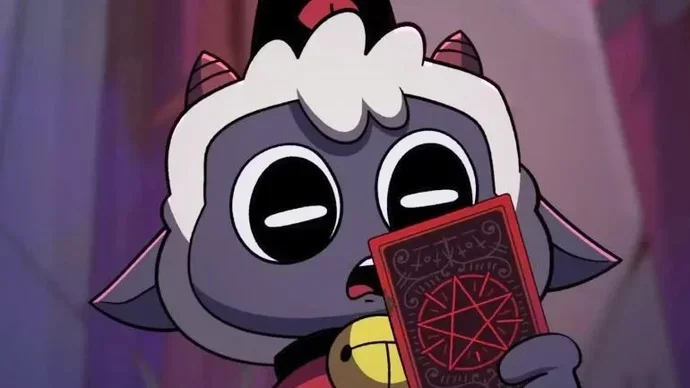
Devolver Digital has continued to publish games during this period of stock-related rockiness, including the excellent Cult of the Lamb and Skate Story.