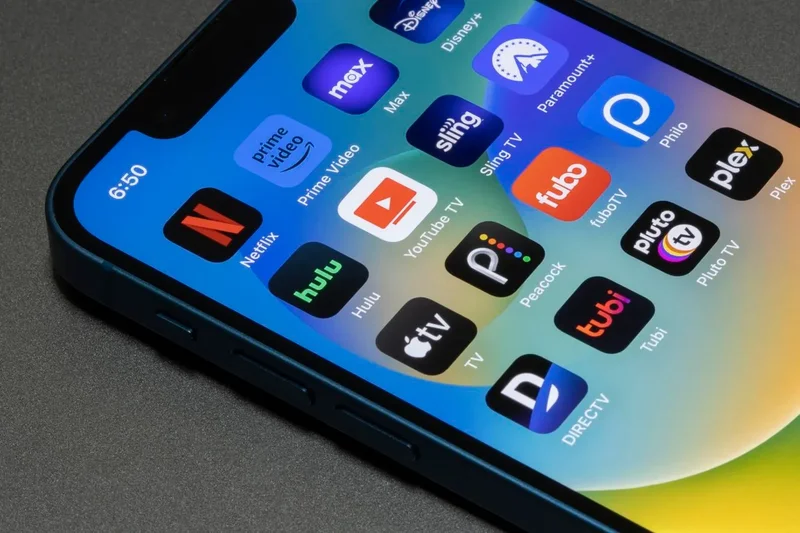
Remember when the flavor of the month for media companies was having their own DTC (direct to consumer) streaming app? No more pesky gatekeepers like the cable business – we’re going to own the customer relationship! We don’t need no stinking distribution partners!
What did NBCU and YouTube agree to do here?
Well, with the announcement of the new partnership between NBCUniversal’s Peacock and YouTube, DTC sure looks like just one playing card in a very old deck called syndication. No man is an island, and neither is a streaming app from a traditional media company.
It isn’t like NBCU and YouTube haven’t done business before. YouTube has a flood of NBCU content from NBC News, SNL, iconic NBC network entertainment like Johnny Carson and David Letterman, and from Peacock itself. But this deal feels like a pointed acknowledgment from NBCU about the increasingly critical role played not only by YouTube and YouTube Premium but the Big Tech platforms that are only increasing their domination of consumer media consumption.
According to this new agreement, beginning in 2027, Peacock Premium, NBCU’s ad-supported subscription tier, will be available to YouTube Premium subscribers as part of a bundle. YouTube Premium and YouTube Music combined have over 125 million subscribers globally, and Peacock is at less than half that at 48 million. Outside of the U.S., NBCU’s Universal+ and Hayu will be similarly available inside of YouTube Premium.
I don’t expect the companies will ever tell us the details of the financial arrangements here, between sharing of subscriber fees, ad revenues and marketing and promotional costs. But as NBCU’s Media Group Chairman Matt Strauss indicated, the intent is to “accelerate [Peacock’s] next phase of growth by bringing [Peacock] to millions of YouTube Premium subscribers.” And why wouldn’t YouTube be happy to distribute more premium content and make it more easily accessible to its users?
Big Tech power only grows
All of this makes sense, as Peacock, despite its recent ascendance to profitability, lags dramatically behind the distribution of platforms like Netflix (over 300 million subscribers), and Amazon Prime Video (estimated at 180-200 million subs), not to mention YouTube. But sublimating its distribution inside of YouTube Premium is a far cry from the notion that media companies can ameliorate the decline of traditional cable subscription fees by creating their own direct to consumer apps. The loss of linear network revenues and replacement by digital app sub fees and ad sales doesn’t get you anywhere near where you need to be.
The Peacock deal is yet another concession to the necessity of being anywhere and everywhere that consumers are consuming. We already have NBCU and other major media company apps available through aggregators such as Amazon Channels, Apple TV, and Roku, but now we’ve got access to Peacock without even signing up through Peacock or YouTube – it’s automatically a part of your YouTube Premium service.
For DTC, echoes of the ghosts of media past are abundant here. How many people and how much revenue is driven by websites like NBC.com? Anyone remember TV Everywhere? If you do, you probably don’t want to admit it. In the early days of streaming, every media company from NBCU to Disney to Fox to the Turner networks created a standalone app that pay-tv subscribers (to cable, satellite or telco bundles) could access for free. But the apps required a clunky online authentication process and most importantly contained only the content from that one media company.
Once Netflix came along with a plethora of easily accessible content from dozens and then hundreds and thousands of different content suppliers, the TV Everywhere experiment more or less ended in ignominy. The lesson here – and one the NBCU-Peacock-YouTube deal concedes – is that a media company just isn’t the mountain that Mohammed goes to – the consumers are the mountain. You’re going to have to go stalking your consumers wherever they want to be.