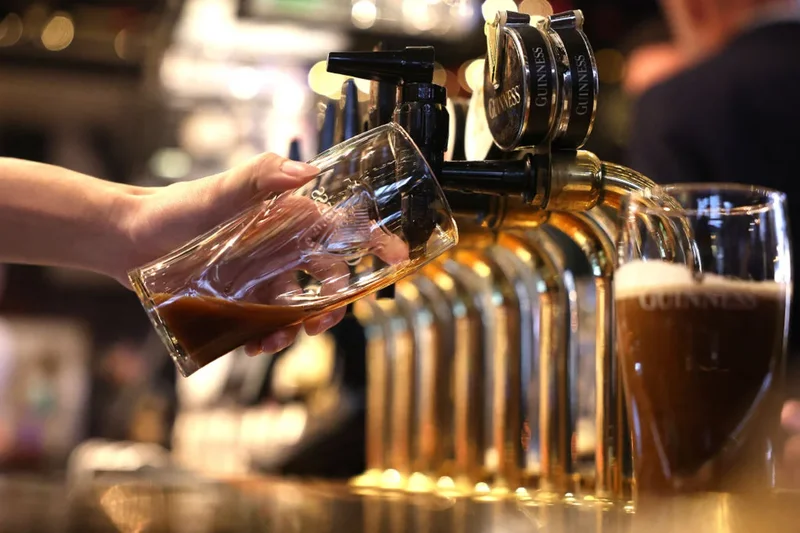
If you love the odd pint of Guinness, you’re far from alone, with UK sales numbers surging 10 per cent in year.
That growth has been a buoyancy aid for parent company Diageo for some time, pushing overall growth of the company up in the region, despite spirits sales falling.
That has left new chief executive Dave Lewis needing to put into place a big turnaround plan, as the company has shed tens of billions in value over the past half-decade, with its share price 50 per cent down on five years ago.
The to-do list is large and not easy, starting with addressing a two per cent fall in total sales over the past year. Sales are actually up in Europe, but down in other key markets such as North America and Africa – this a sprawling, enormous business with customers spanning different time zones, tastes and incomes.
And there are three key factors that “Drastic Dave”, as the CEO is known, wants to tackle – including making plenty more of the black stuff.
Growing the Guinness giant
Guinness is unquestionably the big success story for Diageo of late, maybe even of the entire brewing and pub sector on these shores – but people seem to love it everywhere.
That means expanding the amount the firm can make and taking it to new locations, with Diageo announcing it will spend almost $1bn over the next four years to increase capacity and expanding the (mostly) Dublin-brewed stout brand globally.
“Guinness growth is great; it’s fantastic. The critical thing is, can we invest in the capacity to support that growth?” Mr Lewis pondered in the earnings call this week.
Finding a way to reverse declining brands is one thing, but supporting the star is another – Diageo is keen to invest a significant number, with Dublin set to be the biggest beneficiary of that additional funding, he confirmed.
It’s only a 18 months or so since there were some reported shortages of Guinness in the UK so the latest plans, if successful, may go some way to stopping that happening in future.
Canned heat
The second part of the regrowth plan is an area which has grown in popularity, but been strangely ignored by Diageo: read-to-drink (RTD) products made up of spirits and mixers.
Canned alcoholic drinks aren’t new, but are certainly enjoying an upsurge in popularity and even without the company focusing on them purposely beforehand, saw 15 per cent growth globally last year.
RTD products have “long-term growth potential and a we have a clear strategy” for how it will be successful with consumers, said Mr Lewis, which involves not buying up other companies who have already had success there, but utilising the wider range of brands the company already owns, and creating solutions from within them.
Captain Morgan and Smirnoff, for example, are “very big, very important brands, which quite frankly we’ve not done a great job with”, added the boss; considering Diageo also owns Baileys, Johnnie Walker, Tanqueray, Casamigos tequila, Ciroc, J&B, Bell’s Whisky, Don Julio, Pimm’s and more than 200 brands, the possibilities appear strong if the research and decisions are sound.
“We have what we need to turn our business around,” Mr Lewis insists, but the other half of the turnaround plan shows they have plenty they don’t need, too.
Behind the bar: $1bn of cost-saving measures
Significant job cuts are incoming, expected to be in the thousands. The company employs around 30,000 people, but no specifics are being given just now about how many or where those cuts will come.
“I don’t want to talk about a number. Whilst the impacts are big, nobody’s saying to me this is the wrong thing to do,” Mr Lewis explained. He noted there was a “very large amount of duplication” across different parts of the business, with each region doing their own thing and having their own systems, while different brands had individual focuses rather than - as will now be the case - being looked at in respective groups such as whiskies, vodkas or rums.
The improvements to the wider business, then, has to come both in sales and by lowering expenses; only then will the wider growth the company has long been promising – and which Dave Lewis has built a career on providing, at Tesco and XXX – finally come into sight.
Ultimately, plans only work if all your back-office work arrives at conclusions which align with what customers actually want.
“Diageo’s problem is drinkers are fussier than ever, and the firm’s old growth story, built on drinkers trading up to more expensive bottles, is no longer cutting it,” said Freetrade analyst Alex Pugh.
Mr Lewis will get some leeway, with investors at least. He has done this rodeo before, and won.
And the timing might work in his favour here, as Chris Beckett, consumer staples analyst at Quilter noted, with an amount of cost-cutting already put into place before his arrival.
“This isn't a one-year exercise, but a multi-year programme aimed at righting the Diageo ship,” he said. “Ultimately this is going to be a slow turnaround, but Diageo has a good management team with a track record of delivery at the helm. These results, and the backdrop for the markets, could have been so much worse.”