It took 191 interviews, a national database of bacterial DNA fingerprints, and a traceback through the food supply chain to find what was making people sick across 27 states.
The interviews began with what people remembered eating before they became sick with diarrhea, fever, and stomach cramps. Of the people interviewed, 177, or 93 percent, reported eating at a Mexican-style restaurant.
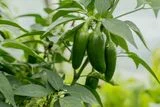
The common link was fresh jalapeño peppers grown in Sinaloa, Mexico, the Centers for Disease Control and Prevention (CDC) reported. As of Aug. 4, 2026, the outbreak of Salmonella Javiana had sickened 345 people. Thirty-six had been hospitalized, and no deaths had been reported. Patients ranged from infants to 85-year-olds, with a median age of 30, according to CDC data.
Illnesses began between June 19 and July 20, 2026. Because mild cases may never be diagnosed, the total likely captures only part of the outbreak, the CDC cautioned. Recent illnesses may also be missing because it typically takes three to four weeks to determine whether a case belongs to an outbreak.
Salmonella Outbreak Traced to Jalapeños
Patients reported eating at the restaurants between June 14 and July 14, 2026. Investigators identified 27 illness clusters at the restaurant locations across seven states, each involving at least two people from different households who ate at the same location before becoming sick.
The same ingredients appeared repeatedly in the interviews, including jalapeños, red onion, cilantro, and avocado.
CDC investigators compared bacterial samples through PulseNet, a national database of DNA fingerprints from foodborne illnesses. Whole genome sequencing showed that the samples were closely related genetically, suggesting the illnesses came from the same food.
Bacteria from 343 patients showed no signs of antibiotic resistance. Samples from two others showed possible resistance to certain antibiotics, although the CDC noted that most people with Salmonella recover without them.
Colorado recorded 110 cases, according to the CDC’s state-by-state outbreak data, tying Minnesota for the highest total in the outbreak. Together, the two states accounted for nearly two-thirds of all reported illnesses.
Read More: Ebola Outbreak Surpasses 3,000 Cases as First Human Vaccine Trial for Rare Bundibugyo Virus Begins
Removing Affected Jalapeños
The restaurants began switching suppliers on July 20, 2026, and on July 28, 2026, at the locations that had received the peppers and brought in jalapeños from other growers.
Because both chains removed the affected peppers, officials say the outbreak no longer poses a risk at either one.
According to the CDC, Salmonella symptoms can begin within six hours to six days of exposure and generally last four to seven days. The agency recommends contacting a health care provider for bloody diarrhea, diarrhea lasting more than three days, a fever above 102 degrees Fahrenheit, repeated vomiting, or signs of dehydration.
This article is not offering medical advice and should be used for informational purposes only.
Read More: A Legionnaires' Disease Outbreak Has Sickened 28 People in New York City — Here's What to Know
Article Sources
Our writers at Discovermagazine.com use peer-reviewed studies and high-quality sources for our articles, and our editors review for scientific accuracy and editorial standards. Review the sources used below for this article:
- This article references information from the FDA: Outbreak Investigation of Salmonella: Jalapeño (August 2026)
- This article references information from the CDC: Where People Got Sick: SalmonellaOutbreak, August 2026
- This article references information from the CDC: Investigation Update: Salmonella Outbreak, August 2026
- This article references information from the CDC: SalmonellaOutbreak Linked to Jalapeños