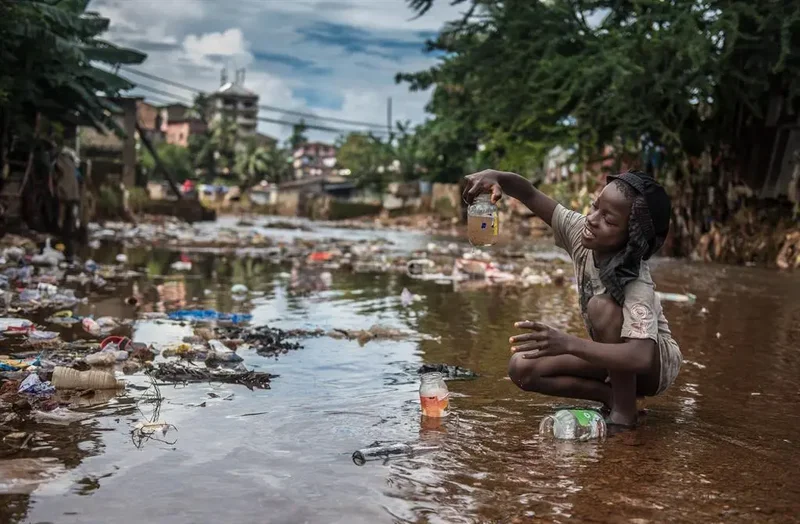
Healthcare facilities in Borno State are under increasing pressure following a rise in suspected cholera cases, with more than 35,500 people infected and 198 deaths recorded since May.
In a statement sent to PREMIUM TIMES on Wednesday, Médecins Sans Frontières (MSF), also known as Doctors Without Borders, cited data from the Borno State Ministry of Health showing that the outbreak has spread rapidly since the first suspected cases were reported on 1 May.
The organisation attributed the surge to overcrowded informal settlements, limited access to safe drinking water, poor sanitation and inadequate waste management.
MSF said the growing number of infections has overwhelmed healthcare facilities, with health workers struggling to keep pace with patients requiring treatment.
Response
Cholera is an acute bacterial infection transmitted through contaminated food and water. It causes severe watery diarrhoea and dehydration, and can become life-threatening within hours if treatment is delayed.
Given the danger of the disease, MSF said it has expanded its emergency response in collaboration with health authorities and other humanitarian organisations by supporting two Cholera Treatment Centres, five Cholera Treatment Units and 17 oral rehydration points across Borno State.
The organisation said it had treated more than 24,000 patients with suspected cholera as of 12 July, adding that more than one in four arrived with severe symptoms.
Speaking on the outbreak, Bienfait Tombola, MSF project medical coordinator in Maiduguri, said the organisation had significantly expanded its response over the past two months.
However, he noted that the disease was continuing to spread faster than efforts to contain it, mainly because many communities still lacked access to clean water, sanitation and healthcare.
Limited awareness
Beyond the strain on health facilities, MSF said limited public understanding of how cholera spreads remains a challenge to containing the outbreak.
According to the organisation, it has intensified community awareness campaigns, trained healthcare workers in cholera management, and supported water, sanitation, and hygiene interventions, including chlorinating water at key collection points.
It added that health authorities, with support from MSF, conducted an oral cholera vaccination campaign in early July, reaching more than 2.6 million people.
Despite these efforts, the organisation said many communities, particularly those in informal settlements, continue to lack access to safe water, sanitation and healthcare, allowing transmission to persist.
MSF also noted that the outbreak has spread beyond Borno to neighbouring Plateau State, where the state Ministry of Health had reported 102 suspected cholera cases as of 12 July.
The organisation stressed the need to strengthen access to clean water, sanitation, disease surveillance and timely treatment, while expanding vaccination campaigns in affected communities to curb transmission and prevent further deaths.