With so many anti-ageing creams promising smoother, firmer, more youthful-looking skin, it can be difficult to know which ingredients are actually worth looking for and which are nothing more than clever marketing.
There’s everything from retinol and peptides to antioxidants and hydrating serums, all promising to keep skin looking youthful. So, to help separate the science from the hype, I spoke to skincare experts Dr Brandon Richland, a board-certified plastic surgeon and Allyse Cirillo, Founder and CEO of SAINT JŌ.
I wanted to find out the key ingredients that can genuinely support healthier-looking skin. Whether you’re looking to soften the appearance of fine lines, improve elasticity or simply give your complexion a boost, these are the ingredients worth knowing about before you add another cream to your routine.
Read more: Best anti-ageing creams, reviewed
What are the most effective ingredients to look for in an anti-aging cream?
“A short list does most of the heavy lifting,” Dr Richland says. “Retinoids (retinol over the counter, or prescription tretinoin) are the workhorse. They speed up cell turnover and nudge your skin into building its own collagen, which is what softens fine lines and evens out tone over time,” he adds.
When choosing an anti-ageing cream, it’s not necessarily about finding one “miracle” ingredient, but rather a formula where ingredients work together to support the skin, Cirillo agrees.
Dr Richland says: “Vitamin C is your morning antioxidant. It mops up the free radicals from sun and pollution before they can do their damage, and it lends a hand with collagen while it's at it. Niacinamide is the quiet achiever, strengthening the skin barrier and calming the redness and blotchiness a lot of people write off as just their complexion”
He also recommends peptides, which can signal the skin to produce more collagen and are often gentler than retinoids. He adds that hydrating ingredients like hyaluronic acid and ceramides help support the skin barrier, while daily SPF remains one of the most effective ways to protect skin over time.
Read more: Best hyaluronic acid serums, reviewed
Which anti-ageing ingredients have the strongest scientific evidence for reducing visible signs of ageing?
When it comes to the ingredients with the strongest scientific backing for reducing visible signs of ageing, both Dr Richland and Cirillo say that retinoids remain the benchmark, thanks to the long history of research in dermatology.
“They have decades of peer-reviewed research behind them, and the collagen increase is measurable on an actual skin biopsy, not just in a flattering before-and-after under good lighting,” notes Dr Richland.
“Vitamin C, niacinamide, and the alpha hydroxy acids make up a solid second tier of well-supported actives,” he adds.
Both experts also stress that no anti-ageing ingredient beats daily SPF to prevent visible ageing caused by sun exposure.
Read more: Best sunscreens for face
Are any anti-ageing ingredients overhyped?
Cirillo warns that some products promising dramatic before-and-after results can sometimes rely on approaches that “strip or inflame the skin”, which may do more harm than good over time.
She also advises being cautious of “hero ingredient” claims, as well as high-strength acids or retinoids used without enough barrier support. “Effective in the right context, overused in the wrong one,” she says. Cirillo adds that terms like “clean” should also be treated carefully, as they have no legal definition and shouldn’t be relied on alone when choosing skincare.
Topical collagen is one Dr. Richland is wary of, explaining that collagen molecules are too large to penetrate the skin. Instead, they simply moisturise the surface rather than boosting your skin's collagen production, reiterating the benefits of ingredients such as retinoids and peptides instead.
What age should you start using anti-aging creams?
While Dr Richland reassures that there’s no panic birthday that changes everything overnight in terms of skincare, you should start using anti-ageing creams sooner than you might think, adding that prevention is always cheaper and easier than correction.
“Sunscreen should really start in childhood. A simple antioxidant and SPF routine makes good sense once you're in your twenties. And most people do beautifully introducing a retinoid somewhere in their late twenties or thirties,” he explains. “The mindset that serves you best is protecting and maintaining the skin you have, rather than ignoring it for decades and then trying to play catch-up once the wrinkles have arrived.”
Best anti-ageing products
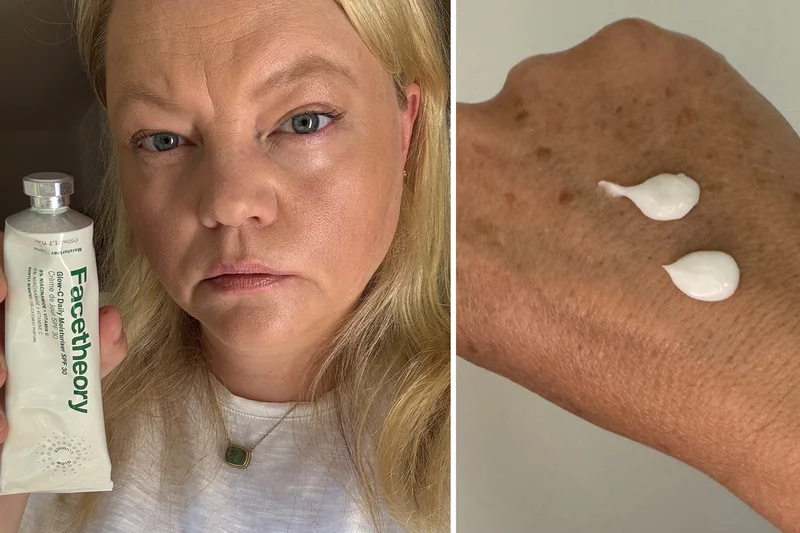
Facetheory glow-C daily moisturiser, SPF30
If you’re looking for a budget anti-ageing cream, this Facethetheory moisturiser is a great choice. Beauty journalist Sabine Wiesel wrote: “This is a relatively purse-friendly product that’s also a real multitasker, protecting and correcting signs of ageing like an antioxidant serum, moisturiser, and sunscreen all in one. Its mousse-like whipped texture immediately sinks into the skin, leaving it feeling comfortably hydrated.”
Read the full Facetheory glow-C daily moisturiser review
Why we love it
- A multi-tasking antioxidant serum, moisturiser and SPF in one
- Powerhouse actives at a fraction of the price
- Brightens and evens skin tone
Take note
- Citrus scented, but also comes unscented
- Slight tackiness on application
The Clarins double serum took the top spot in our guide to the best anti-ageing serums. After testing, beauty journalist Sabine Wiesel, wrote that it left her skin “incredibly soft” and looking “smoother and glowier”, and her “pores appear less noticeable”.
Why we love it
- Do-it-all serum
- Boots radiance and hydration
- Softens the look of lines and pores
Take note
- There's a light texture version also available, which may be more suitable for oily and combination skin types
- It’s not cheap but the results are worth it
Estee Lauder advanced night repair synchronized multi-recovery complex
Another recommendation from Sabine Wiesel in her anti-ageing serums guide, she wrote: “I’ve gone through countless bottles because I know the very next day my skin already feels better hydrated. Estee Lauder was one of the first brands to use hyaluronic acid in their formulations, and they’ve combined it with squalane for a major moisture boost. But it’s peptides that soften the appearance of lines and improve skin firmness that really make skin look more youthful with continued use. It’s a classic for a reason.”
Why we love it
- Multipurpose serum targets lines, skin tone, firmness
- Cult classic beauty product
- Suitable for all skin types – even sensitive
Take note
- Looking to pay less try No 7’s night serum below for similar results
Meet the expert
- Dr. Brandon Richland: Board-certified plastic surgeon
- Allyse Cirillo: Founder and CEO of SAINT JŌ
These are the best moisturisers for mature skin