Bolivia · Culture
Key Facts
- Main dates— 8–16 August 2026 in Quillacollo, near Cochabamba.
- Gran Entrada— 14 August, the big folkloric parade with hundreds of groups.
- Calvario walk— 16 August pilgrimage from Cochabamba’s cathedral to the sanctuary.
- Stone ritual— Carry a small rock from Cerro Cota for luck and prosperity.
- Free to watch— Street parades and the Mass are open-air, no tickets needed.
- Holiday— 14 August declared a department holiday for the festival.
- Crowd size— Thousands of dancers and devotees, but no official 2026 count.
Faith, dance, and stone: how to experience one of Bolivia’s biggest celebrations this August.
If you’re in Bolivia this August, you have a rare chance to see the Virgin of Urcupina festival — one of the country’s most colourful and deeply felt celebrations. For nine days, the small city of Quillacollo, just outside Cochabamba, fills with dancers, musicians, and pilgrims who come to honour the Virgin with faith, fiesta, and a very peculiar tradition involving rocks. You don’t need a ticket, a guide, or even a costume. You just need to show up, and this guide will tell you when, where, and how.
What Is the Virgin of Urcupina Festival?
The Virgin of Urcupina festival is a religious and folkloric celebration held every August in Quillacollo, Bolivia. It honours the Virgen de Urkupiña, a Marian devotion tied to a legend of a shepherdess who saw the Virgin near a hill in the 18th century.
Over time, that vision grew into a massive event that mixes Catholic ritual with Andean traditions.
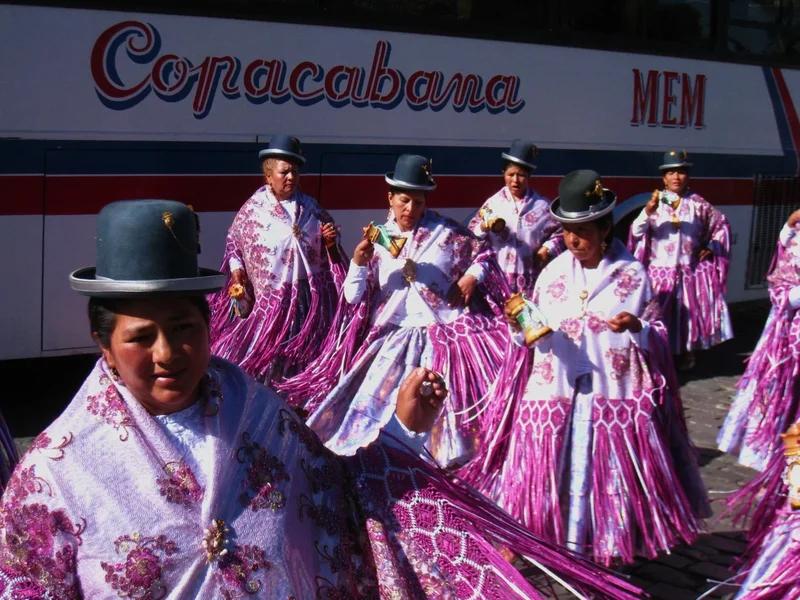
Think of it as a nine-day open-air fair of processions, Masses, and parades. The heart of it is the Gran Entrada Folklórica, a huge street parade where fraternities, or dance groups, perform in dazzling costumes.
You’ll see everything from devil masks to silver miners’ outfits, all moving to the sound of brass bands and panpipes. The energy is electric, and the colours are a feast for the eyes.
When and Where It Happens in 2026
The festival runs from 8 to 16 August 2026, with a packed schedule. On 8 August, there’s a procession of Marian advocations — over 30 different images of Mary take part, according to Bolivian media.
The 9 August sees the Entrada Autóctona, a more indigenous-style parade that kicks off in the early afternoon, with reports saying around 13:00 or 14:00.
The big one is 14 August: the Gran Entrada Folklórica, which begins around 09:00 and lasts for hours. On 15 August, the central Mass takes place at the sanctuary in Quillacollo.
Then, on 16 August, pilgrims walk from Cochabamba’s cathedral to the sanctuary, climbing the Cerro Cota, also known as Calvario hill, as part of the traditional pilgrimage.
Everything happens in Quillacollo, a city about 15 kilometres west of Cochabamba. The sanctuary and the parade route are within walking distance of the town centre.
You can easily get there by bus or taxi from Cochabamba, which is the nearest major city. The ride is quick and affordable, so even day-trippers can join the fun.
How to Attend or Visit
You don’t need to book anything in advance. The parades are street events, so you just find a spot on the curb and watch.
For the Gran Entrada on 14 August, arrive early to get a good place — locals camp out with chairs and snacks. The central Mass on 15 August is open to the public, but expect it to be crowded, so prepare for standing room only.
For the pilgrimage on 16 August, wear comfortable shoes. The walk from Cochabamba to Quillacollo is about 15 kilometres, and the climb up Cerro Cota adds a steep but manageable ascent.
No tickets are sold; the festival is free, though you’ll want to bring cash for food, drinks, and souvenirs from the street stalls. Local vendors sell everything from empanadas to handcrafted trinkets.
If you want to join the dancing, some fraternities welcome visitors, but it’s best to just watch. You’ll see why the festival draws thousands of devotees and dancers each year.
Security is a priority — the police have deployed drones, artificial intelligence, and watchtowers for 2026, and road controls are active on the main access routes.
The Stone Ritual and Why It Matters
One of the quirkiest traditions is the stone ritual. At the Cerro Cota quarry, devotees pick up small rocks and carry them home as symbols of prosperity and material wishes.
The story goes that the Virgin grants favours like buying a house or a car, and the stone is a physical reminder of your request.
You can join in — just pick a stone that fits in your pocket, and keep it as a memento. It’s a simple, deeply personal act that connects you to centuries of local belief.
For outsiders, it’s a window into how Andean Catholicism blends faith with everyday life.
This is also why the festival is more than a tourist show. For Bolivians, it’s a time to ask for blessings, give thanks, and renew community bonds.
The atmosphere is joyful and welcoming, and you’ll often be invited to share a drink or a dance.
Why You Should Care (Even If You’re Not Religious)
For expats and nomads, the Virgin of Urcupina festival is a chance to see authentic Bolivian culture up close, without a tour guide or a pricey package. It’s a sensory explosion of colour, music, and movement that you’ll remember long after you leave.
And it’s free — a huge bonus for budget travellers.
Cochabamba is also a lovely base, known for its mild climate and famous cuisine, so try the silpancho. If you’re in South America in August, this is one of the few events that rivals Carnival in scale, but with fewer tourists.
You’ll witness a tradition that’s been growing for over 200 years, and you might just leave with a stone in your pocket — and a story to tell.
Frequently Asked Questions
What is the Virgin of Urcupina festival?
It’s an annual religious and folkloric celebration in Quillacollo, Bolivia, honouring the Virgin Mary through processions, Masses, and huge street parades. It runs from 8 to 16 August 2026.
When is the best day to attend the Virgin of Urcupina festival?
Most visitors go for the Gran Entrada Folklórica on 14 August, the biggest parade, starting around 09:00. The pilgrimage on 16 August is also memorable for a more spiritual experience.
How much does it cost to attend the Virgin of Urcupina festival?
The parades, Mass, and pilgrimage are free to attend. You’ll only spend money on food, drink, transport, and souvenirs, which are cheap at local stalls.
How do I get to Quillacollo for the festival?
Take a bus or taxi from Cochabamba, about 15 kilometres away. The journey takes about 30 minutes, and road controls are in place during festival days, so travel early.
Connected Coverage
Sources: Reduno, Opinion, Lostiempos, Eju, Urbana
This article was produced by The Rio Times’ automated newsroom system. How we use AI · Report an error