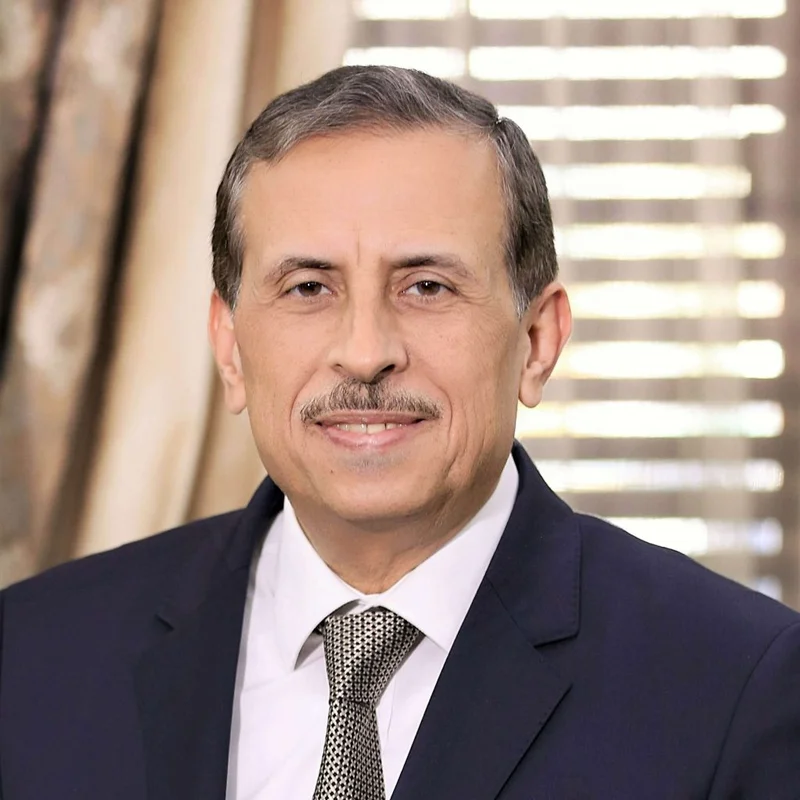
Car Bomb Kills Eastern Libyan Military Intelligence Chief in Benghazi
Libya · GEOPOLITICS
What happened in Benghazi
An explosive device planted in a car killed Fowzi Mansouri, the head of military intelligence for Libya’s eastern-based forces aligned with Khalifa Haftar, on Monday, Aug. 10, 2026. Reuters reported the blast occurred outside his home in the Hawari residential area of Benghazi, citing two security sources.
Anadolu identified the victim as Maj. Gen. Fawzi al-Mansouri and confirmed he headed the military intelligence department for Haftar’s eastern forces. Multiple wire reports said the device detonated as he was entering his vehicle near his residence.
No group had claimed responsibility in the hours following the killing. The method, a targeted car bomb against a senior intelligence official, mirrors a pattern of assassinations that has plagued Benghazi for years.
Why the target was a high-value node
Military intelligence in eastern Libya is not a bureaucratic backwater. It sits at the junction of internal security, counterintelligence, factional discipline and the enforcement of patronage networks inside Haftar’s sprawling armed coalition.
Removing such a figure can signal an attempt to penetrate or destabilise the east’s coercive apparatus. The role gives its holder visibility into the rivalries, smuggling routes and financial flows that sustain eastern Libya’s parallel governance structure.
Benghazi has a long history of assassinations and bombings targeting security officials and commanders. Earlier attacks on senior figures in Haftar-linked structures underscore that armed competition persists even after major battlefield shifts consolidated the east under one command.
The money and power stakes inside Libya
Eastern Libya’s leadership, centred on Haftar and the Libyan National Army, has long relied on a blend of military control, access to state finance and external backing to sustain its authority. The east-west divide is as much about financial power as territory.
Libya’s conflict has repeatedly turned on who controls state institutions and revenue streams, especially the central bank, oil infrastructure and the distribution of salaries and patronage. Any sign of fracturing inside the eastern camp therefore carries immediate implications for oil security and the broader political settlement.
For markets and regional strategy, the real question is whether this attack foreshadows intra-eastern fractures, retaliation or a broader destabilisation that could affect border flows and negotiations over Libya’s frozen political process.
The great-power contest over Libyan military intelligence turf
Libya has become a prolonged proxy arena involving Turkey, Russia, Egypt, the United Arab Emirates, France, Italy and Qatar. The eastern camp has benefited over time from Russian support, including mercenary deployments and broader military assistance, plus backing from Egypt and the UAE.
Russia’s role is especially important in eastern Libya because Moscow has used the country as a strategic hub for operations in Africa and as a way to secure influence along the Mediterranean and in the Sahel. Turkey, meanwhile, backs western Libyan authorities as part of its broader Eastern Mediterranean strategy and maritime interests.
Egypt treats eastern Libya’s stability as a border-security priority, while France has also been linked over time to support for Haftar-aligned forces. This layered foreign involvement means an attack on a senior intelligence figure is never purely a domestic affair, as our pillar Africa: The New Scramble has tracked across the continent.
What the killing reveals about eastern fragility
The assassination is a reminder that eastern Libya remains politically brittle despite its military consolidation. Elite rivalries, opaque financing, militia competition and foreign intelligence activity are still active beneath the surface of Haftar’s command.
A military intelligence chief is not a battlefield casualty. He is a target whose removal requires inside knowledge of movements, routines and security arrangements, pointing to the possibility of infiltrated networks or settling of scores within the eastern establishment.
For investors and diplomats watching Libya’s stalled political process, the killing injects new uncertainty into an already fragile equation. The eastern camp’s ability to maintain internal discipline directly affects the security environment around oil infrastructure and the feasibility of any national reconciliation roadmap.
What to watch next
The immediate question is whether any group steps forward to claim the attack, and if so, what that reveals about the perpetrator’s agenda and capabilities. A claim from an Islamist militant group would carry different implications than silence suggesting an inside job.
The eastern leadership’s response will be closely parsed for signs of a crackdown, internal purges or acceleration of military consolidation. Any visible rift among Haftar’s inner circle would be the most consequential signal for Libya’s near-term trajectory.
Foreign capitals, particularly Moscow, Cairo and Abu Dhabi, will be watching for what the killing says about the durability of their investment in the eastern Libyan project. A perception of growing instability could shift calculations about military support, economic engagement and diplomatic positioning ahead of any renewed political talks.
Frequently Asked Questions
Who was Fowzi Mansouri?
Fowzi Mansouri, also reported as Maj. Gen. Fawzi al-Mansouri, was the head of military intelligence for the eastern Libyan forces aligned with Khalifa Haftar, based in Benghazi.
Has anyone claimed responsibility for the Benghazi car bomb?
No group had claimed responsibility for the killing as of the initial reports on Monday, Aug. 10, 2026.
Why does the killing of a military intelligence chief matter for Libya’s stability?
Military intelligence sits at the junction of internal security, factional discipline and patronage enforcement inside Haftar’s camp, so removing its chief can signal an attempt to penetrate or destabilise the east’s coercive apparatus.
Sources
This article was produced by The Rio Times’ automated newsroom system. How we use AI · Report an error
LatAm Markets: Live Signals → — real-time movers, turnover leaders and FX across Latin America.