Our daughter lives with us, can we gift her our £550k house without inheritance tax?
- See more This is Money on Google - save us as a Preferred Source
My daughter is 50 and married with three daughters and has been living with me and my wife for the last five years, with her family.
Does the fact she has already been living with us qualify for us to pass our house, worth about £550,000, to her without affecting our inheritance tax allowances?
Our other assets include a shop property worth about £400,000 and shares worth £70,000, which we would eventually hope to leave to her.
Simon Lambert, of This is Money, replies: Gifting a home to mitigate or avoid inheritance tax is among the most common questions we get from readers about financial planning.
Some come from those simply wondering if they can dodge the tax by giving their home to their adult children now, while continuing to live there without them. (Spoiler alert, you can't.)
But others come from those who genuinely live in an intergenerational set-up and wonder how best to arrange their affairs, so that their loved ones don't get caught out down the line.
Your question falls into this latter camp. While on the surface it would make perfect sense if someone in your situation didn't need to worry about any inheritance tax implications – as you all genuinely share a home – the rules mean it's not that simple and you should at least know where you stand. We asked an expert to explain.
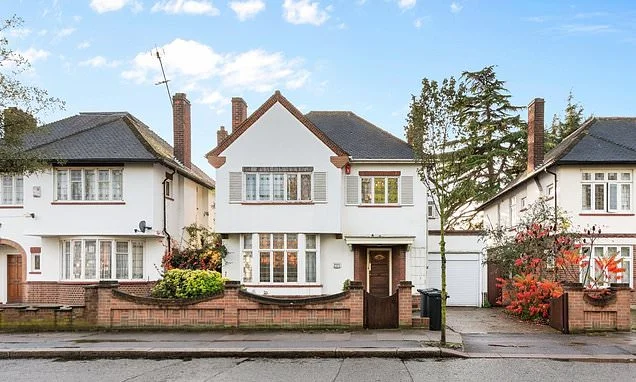
If you share a home with different generations, you may want to pass it on early but there are likely to still be inheritance tax implications (stock image)
Rebecca Robertson, independent financial adviser, planner and director at Evolution Financial Planning, replies: This is a really good question because it touches on one of the more complex areas of inheritance tax planning.
While your daughter's existing living arrangements could potentially work in your favour, they do not automatically mean you can transfer your home without inheritance tax consequences.
Many people assume that if a child already lives in the family home, gifting the property becomes straightforward. Unfortunately, inheritance tax legislation is rarely that simple, and there are several important rules that need to be considered before making any decisions.
The main issue here is something known as the ‘gift with reservation’ rules. These are designed to prevent people from giving away assets while continuing to enjoy the benefits of owning them.
In simple terms, if you transfer ownership of your home to your daughter but continue living there exactly as before, HM Revenue & Customs (HMRC) may still regard the property as forming part of your estate when you die.
If that happens, the gift may not achieve the inheritance tax saving you were hoping for.
However, your situation is slightly different because your daughter, her husband and your grandchildren have already been living with you for the last five years. That existing occupation is an important factor.
Where parents genuinely transfer part, or all, of a property to a child who is already living there as their home, and both generations continue occupying the property together, HMRC may accept that the arrangement is not automatically caught by the ‘gift with reservation’ rules.
That said, the arrangement must represent a genuine change in ownership.
Simply transferring the deeds while nothing changes, in reality, is unlikely to achieve the desired result. HMRC will want to see that your daughter has genuinely become an owner of the property, rather than the transfer existing only on paper while you continue to enjoy all the benefits of ownership.
Each family's circumstances are different, which is why professional advice is so important before taking any action.
Another key consideration is the seven-year rule. A gift of your home to your daughter would normally be treated as what is known as a Potentially Exempt Transfer.
Assuming the gift satisfies the relevant rules, if you and your wife both survive for seven years after making the gift, the value transferred could fall outside your estates for inheritance tax purposes.
If either of you were to die within those seven years, some or all of the gifted value could still be taken into account when calculating any inheritance tax due.
It's also important to step back and look at your overall financial position rather than concentrating solely on the family home.
Based on the figures you've provided, your estate currently consists of:
- Your home worth approximately £550,000
- A commercial shop property worth around £400,000
- Shares worth approximately £70,000
That gives total assets of around £1.02million, before taking into account any savings, pensions (particularly following the planned inheritance tax changes from April 2027), personal possessions or any other investments you may hold.
The good news is that, as a married couple leaving your estate to a direct descendant, you may benefit from some valuable inheritance tax allowances.
Subject to your personal circumstances and the legislation applying when your estates are eventually assessed, you may be entitled to:
- Two nil-rate bands of £325,000 each
- Two residence nil-rate bands of up to £175,000 each
Together, these could provide combined inheritance tax allowances of up to £1million.
That means your eventual inheritance tax exposure may actually be relatively modest, depending on the final value of your estate, future property prices and any lifetime gifts you make.
For that reason, transferring the house now may not necessarily produce the significant inheritance tax saving you expect, particularly if it creates other tax complications.
It's equally important not to overlook the commercial property.
While your question focuses on your home, the shop valued at around £400,000 should form part of your wider estate-planning discussions. Whether you retain that property until death or consider gifting it during your lifetime requires careful thought, particularly because transferring commercial property can trigger capital gains tax, even where inheritance tax savings may eventually arise.
Good estate planning is about balancing different taxes rather than looking at inheritance tax in isolation.
Keep written records – they are invaluable
If you do decide to make any lifetime gifts, make sure everything is properly documented. Professional valuations should be obtained, legal ownership correctly transferred and accurate records retained showing who owns the property, who lives there and on what basis.
These records can prove invaluable for both executors and HMRC in the future.
Ultimately, while your daughter's existing occupation of the property may improve your planning options, it does not provide an automatic exemption from inheritance tax.
This is a particularly technical area of inheritance tax and property law, where relatively small details can have significant financial consequences.
Before transferring either the house or the commercial property, I would strongly recommend seeking advice from a solicitor or specialist estate-planning adviser.
A poorly structured gift could fail for inheritance tax purposes and potentially create unnecessary capital gains tax liabilities or other practical complications that outweigh any potential benefit.
The Financial Conduct Authority does not regulate tax and estate planning.