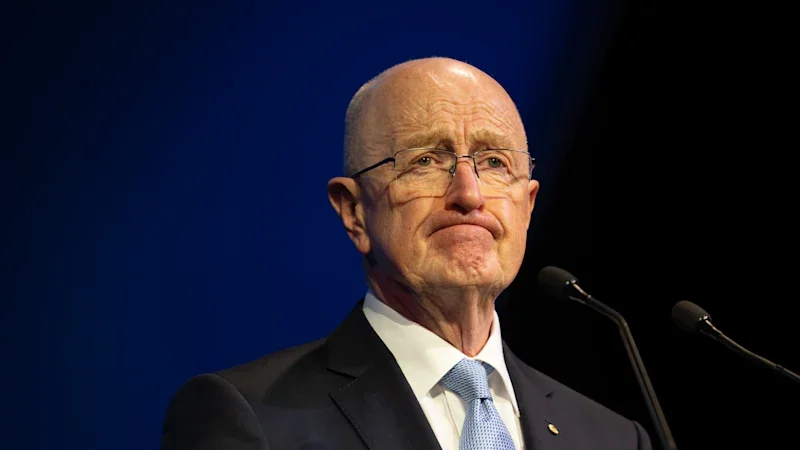
Macquarie Group’s chairman, former Reserve Bank governor Glenn Stevens, has been called to appear before the parliamentary committee looking into the KPMG whistleblower scandal this week and is expected to be grilled over how the firm won its $70 million-a-year audit contract, the biggest in Australia.
Stevens is not the only fresh name called before the committee at this Friday’s hearing. Optus chairman John Arthur and chief executive Stephen Rue are also due to appear at the probe into the spiralling scandal that has purged the most senior ranks at KPMG over the misuse of confidential clients’ information for commercial gain.
KPMG has been accused of improperly using confidential data from its audit work with Optus in a failed attempt to win Telstra’s audit work.
Auditors play a crucial role in the financial markets by signing off on company accounts that are then relied on by investors, including superannuation giants. The process requires absolute integrity given that clients have to expose their most confidential information.
Last month, Stevens dropped a bombshell on the KPMG scandal, telling shareholders the group is reviewing the awarding of the contract to KPMG, saying the review will look at the embattled firm’s capability to deliver on the lucrative Macquarie audit tender it won last year.
Macquarie has also instigated an external review of KPMG’s pursuit of the contract.
The committee has also recalled many people who appeared at the June hearing including current and former KPMG executives such as former CEO Andrew Yates and former chairman Martin Sheppard.
Former SBS boss Michael Ebeid, who was voted in as KPMG’s first independent chairman on Wednesday, is also due to appear, as is Westpac board member Michael Ullmer.
KPMG’s success in winning the Westpac contract featured among the allegations made by the whistleblower, who said the concentration of KPMG partners at Westpac compromised the integrity of the selection process.
Former KPMG partner Peter Nash resigned from the Westpac board last month over perceived conflicts of interest concerns.
Partners at the two law firms which were instructed to look into the whistleblower claims – Ashurst and Allens – are also to reappear.
The actual reports were publicly released this week, revealing that both Ashurst and Allens were prevented from taking basic steps, such as interviewing people involved or checking staff emails.
A subsequent investigation by Allens substantiated some of the core claims made by the whistleblower, and it triggered the immediate sacking of KPMG’s former chief operating officer Eileen Hoggett.
She will appear before the hearing again, as will two former colleagues who resigned this week, HR boss Dorothy Hisgrove and general counsel Louise Capon.
Earlier on Wednesday, Ebeid was successfully voted in as KPMG’s new chairman.
“We are pleased to advise that the partnership has voted in favour of both resolutions,” KPMG’s board told partners on Wednesday evening after the vote closed. Ebeid has been appointed for a three-year term.
“The result paves the way for stronger governance of the firm and delivers on key commitments set out in our KPMG Australia Action Plan. Importantly, we can now appoint independent board members to our board injecting objectivity, stronger challenge and oversight,” the statement said.
Ebeid was brought in as the new face of the firm despite having been a board member for more than two years and being already negatively associated with KPMG’s inept handling of the scandal.
All of KPMG’s other independent directors, including former NSW premier Mike Baird, have resigned from the board or are preparing to leave.
Ebeid was already in hot water soon after his appointment as chairman-elect when emails emerged from the parliamentary committee of him denigrating Senator Deborah O’Neill over her speech on the whistleblower claims in March this year, which first brought them to light.
His email claimed that “many of the statements she makes are completely false” and make the whistleblower’s exit “look like retaliation.”
As partners voted on his future over the past week, Ebeid issued a grovelling apology to O’Neill, which was published by the committee this week.
“My email was naive, embarrassing and wrong on every level,” Ebeid wrote.
Both Capon and Hisgrove were questioned at the previous public hearing into the scandal, which was held in June, and have copped criticism within the firm for being part of the team that dealt so disastrously with the whistleblower allegations.
There is no suggestion of wrongdoing by either Capon or Hisgrove, who are expected to depart with million-dollar-plus retirement packages.
Capon’s legal team commissioned the work by law firms Allens and Ashurst – which it characterised as external investigations – which KPMG used to back its claim that the whistleblower allegations had not been substantiated.
Ashurst told the hearing in June that its work for KPMG was legal advice, not an investigation of the claims.
The Market Recap newsletter is a wrap of the day’s trading. Get it each weekday afternoon.