Zendocs reflects a broader move toward lighter tools that meet people wherever work happens
A PDF often becomes a problem at the exact moment someone is away from their desk. A last-minute correction arrives before a meeting, or a form needs attention during a trip, and the familiar software sits on another computer.
Small Changes Can Derail the Day
Most document tasks begin with a simple request. A page needs to be removed, a file requires another format, or a small error has to be fixed before the document moves forward. The work itself may take only a few minutes, yet reaching the right tool can stretch the process far beyond that.
One of the founders encountered the same problem while traveling for work. Editing a PDF became unexpectedly difficult without the usual setup nearby, which helped shape Zendocs around the way people actually work across locations and devices.
Modern work has already moved beyond the traditional desktop setup. People answer emails from airports, review contracts from cafes, and prepare class materials on shared computers. The document itself travels easily. The tools used to change it have taken longer to catch up.
A Browser Can Carry More of the Work
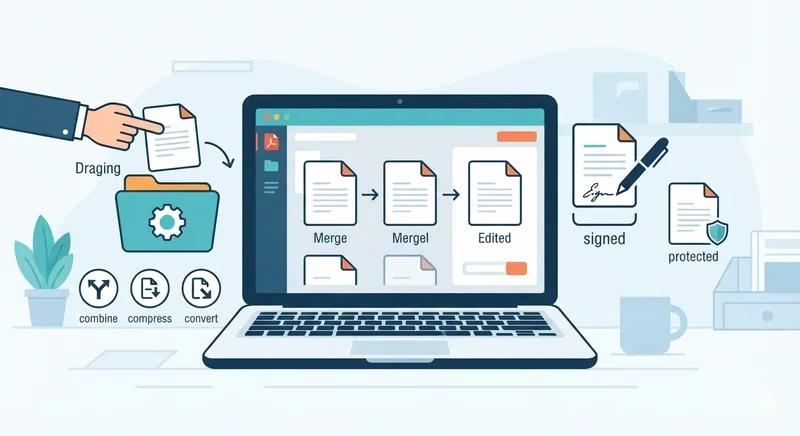
Zendocs brings editing, conversion, and file management into one browser-based space. A user can open the platform from a different computer and handle the task there, which makes the process less dependent on a particular device.
That setup has clear
PDFs remain central because they sit at the end of so many business and personal processes. Forms, invoices, agreements, applications, and course materials all pass through the format. Zendocs also supports other document types, giving users room to move files between stages without leaving the browser each time.
Design Matters Most When Time Is Tight
Speed also shapes how useful the service feels. Document editing often appears between larger responsibilities, so every extra screen or delay becomes more noticeable.
The Audience Extends Beyond Office Work
Zendocs says its users include educators, small businesses, professionals, and people handling personal documents online. Their files may look different, yet the frustration behind them often feels identical.
A student may need to convert an assignment before a deadline, while a business owner could be correcting a form from home after closing. Each person benefits from having the tools available without preparing a particular computer first.
That range also explains why accessibility remains part of the company’s direction. A document platform has to make sense to people with very different levels of technical confidence. Clear controls carry more value than a crowded screen filled with features that many users will never touch.
Document Software Is Becoming Less Visible
The future of this category may feel like a service that appears when needed. Zendocs plans to add collaboration tools, accessibility improvements, and AI-supported features as the platform develops.
Those additions can help with organization and revision, though the core problem remains familiar. People need to fix a file quickly, from wherever they happen to be, and continue with their day. Zendocs grew from one inconvenient moment on the road. Its place in the market comes from how often that same moment happens to everyone else.
This story was distributed as a release by Jon Stojan under HackerNoon’s Business Blogging Program.
Disclaimer: This article is paid content. HackerNoon’s editorial team has reviewed it for clarity and quality standards, but the views, claims, benchmarks, and comparisons expressed are solely those of the sponsor, and HackerNoon assumes no responsibility for third-party assertions contained in sponsored content.