Sign in. It’s quick, free and it’s up to you.
An account is an optional way to support the work we do. Find out more.
WINNERS OF THE Eurovision Song Contest will no longer be allowed to host the event if an armed conflict or a “sensitive” geopolitical situation is affecting their state or neighbouring countries.
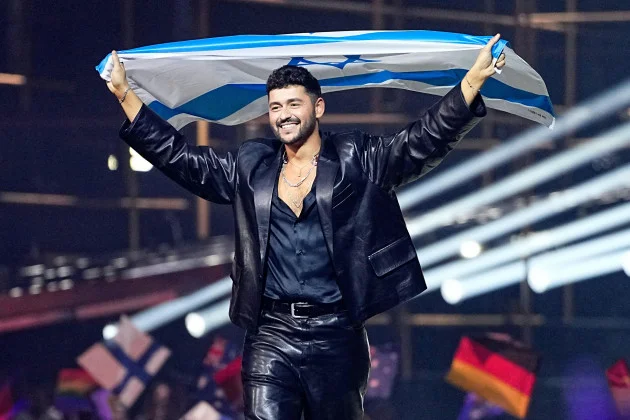
The revised rules by the European Broadcasting Union (EBU) come following increased scrutiny, especially regarding Israel’s participation, which prompted several countries, including Ireland, to sit out of the contest this year in protest.
Historically, the winning country would have the honour of hosting the event the following year. Israel came close to winning the 2026 contest, but ultimately finished in second place.
When Ukraine won in 2022, it wasn’t allowed to host the next year, with the EBU citing security concerns due to Russia’s invasion. The 2023 contest was instead held in Liverpool.
In an update issued today, the EBU clarified that going forward the winner will be ineligible to host if “an armed conflict, a sensitive geopolitical situation, or any other situation materially affects the security, safety or stability of their state or immediate region”.
It said that, if necessary, the EBU will commission an independent security assessment of the winner’s region.
It will then consult a reference group to determine whether the winner is able to safely host the contest.
If they aren’t, the EBU will choose someone else to host.
Separately, under-18s will no longer be allowed to take part in the contest.
Previously, artists could be as young as 16 on the day of the first rehearsal and be allowed to compete.
The EBU says the new age restriction is part of efforts to strengthen safeguarding and protect younger artists “from the pressures associated with competing at the Eurovision Song Contest”.
Martin Green CBE, Director of the Eurovision Song Contest, said the new rules are guided by feedback from competing countries.
“These changes are about giving everyone involved greater clarity, protecting artists and ensuring the Contest continues to provide a safe and welcoming environment, while preserving the spirit and integrity that make the Eurovision Song Contest so special,” he said.
To embed this post, copy the code below on your site