While Sydney oncologist Malinda Itchins goes for a 30-minute run before her kids wake up, Christopher Sweeney, an Adelaide-based oncologist, sets off on his 25-kilometre bike ride to work. Later in the day, Melbourne oncologist Michael Lee works out at home, jogging on his running machine as he watches TV at night.
All three are committed to regular exercise and to promoting it to patients to enhance their treatment and recovery, and reduce the risk of cancer coming back.
“I tell my patients that exercise is as important as the drug therapy you get in the clinic,” says Associate Professor Itchins, a lung cancer specialist with Sydney’s Chris O’Brien Lifehouse and Royal North Shore Hospital.
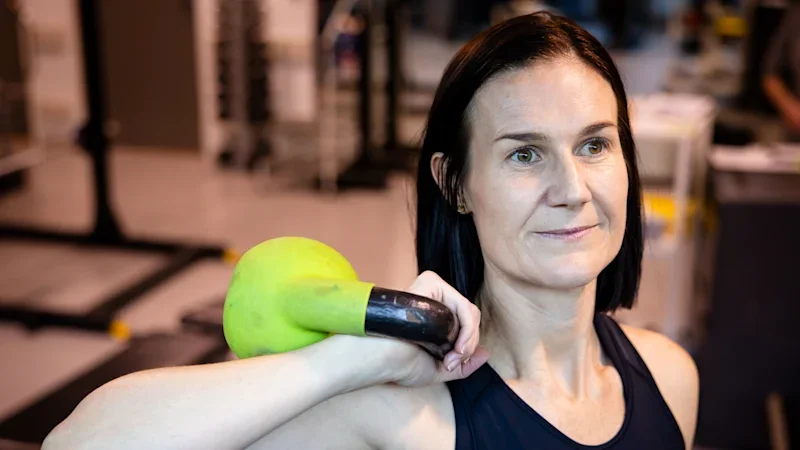
Itchins manages two to three HIIT classes at the gym each week, along with running. She advises her patients to include both aerobic exercise and resistance training, often referring them to an exercise physiologist for expert help.
“There’s good data that exercise helps prevent recurrence, but it also helps with fatigue and the side effects of treatment, including muscle loss, and it helps with sleep quality and anxiety,” Itchins says. “It gives a sense of purpose and control and helps with mental resilience.
“With exercise, you’re more likely to respond to therapies, have less chance of infection and better recovery, and it helps mitigate many treatment side effects.”
Although more oncologists and cancer nurses are promoting exercise to patients, it’s still not the norm, she says.
‘Regular exercise reduces the chances of developing aggressive prostate cancer’
Like Itchins, Professor Sweeney, a prostate cancer specialist, varies his workouts, sometimes running or doing 15 minutes of strength training with dumbbells at home.
“There are many different versions of prostate cancer, and we know that regular exercise reduces the chances of developing aggressive prostate cancer or of prostate cancer recurring,” says Sweeney, director of Adelaide’s South Australian immunoGENomics Cancer Institute.
“Having seen so many patients with these health issues, I try to practise what I preach.
“You have to choose the right moment to bring up exercise with patients because there’s a lot to take in when they’re first diagnosed.
“It’s often when a patient says ‘what can I do?’ that you explain about not smoking, that alcohol is a carcinogen and that, along with avoiding highly processed food and eating more fruit and vegetables, exercise can help.”
“I tell patients, ‘Every treatment I throw at you will make you tired, but with exercise you’ll maintain muscle strength, and tolerate treatment better,’” says Dr Lee, of Melbourne’s Cabrini Health, whose speciality is cancers of the gastro-intestinal tract.
“I frame it as, ‘You need exercise to be fit for treatment and to reduce the risk of it coming back.’”
It’s with colon cancer, along with breast cancer, that the evidence is strongest for a preventive effect from exercise, he says, referring to the CHALLENGE Trial.
The study, published last year, found that with people treated for colon cancer, a structured exercise program reduced the risk of cancer recurring by 28 per cent and reduced the risk of death by 37 per cent.
How does exercise make us more resilient to cancer?
“It creates an environment that makes it harder for cancer to thrive,” says Robert Newton, Professor of Exercise Medicine at Edith Cowan University’s Exercise Medicine Research Institute and author of My Exercise Medicine for Cancer, a new book detailing how exercise can help suppress cancer.
“Cancer doesn’t grow in isolation. It exists in an environment shaped by how much oxygen is available, by inflammation, immune activity, blood flow, metabolism, and hormonal signalling. Structured, consistent exercise can shift that environment in a less cancer-friendly direction.
“It can increase oxygen to the body’s cells, helping to slow cancer down and reduce the risk of it spreading. It helps regulate hormones that can drive cancers, and it helps mobilise immune cells capable of recognising and destroying abnormal cells. In that environment, cancer has fewer biological opportunities to grow, adapt and spread.”
Exercise enhances treatment
Radiotherapy works best in oxygen-rich tissue, while chemotherapy depends on circulation and tolerance – exercise improves both, Newton says.
“Exercise also helps protect muscles and bones that can be depleted by cancer therapies,” he says. “Surgery is more successful when people are fitter beforehand and exercise afterwards.
“Survival also improves when people can complete their treatment without delay or needing to reduce the dose of chemotherapy – exercise helps make that possible.”
Getting expert help to exercise if you’re diagnosed with cancer
Best practice cancer care includes referral to an accredited exercise physiologist (AEP) experienced in cancer, according to the Clinical Oncology Society of Australia.
Ask your GP for a chronic condition management plan, making you eligible for some sessions with an AEP with a Medicare rebate.
Make the most of your health, relationships, fitness and nutrition with our Live Well newsletter. Get it in your inbox every Monday.