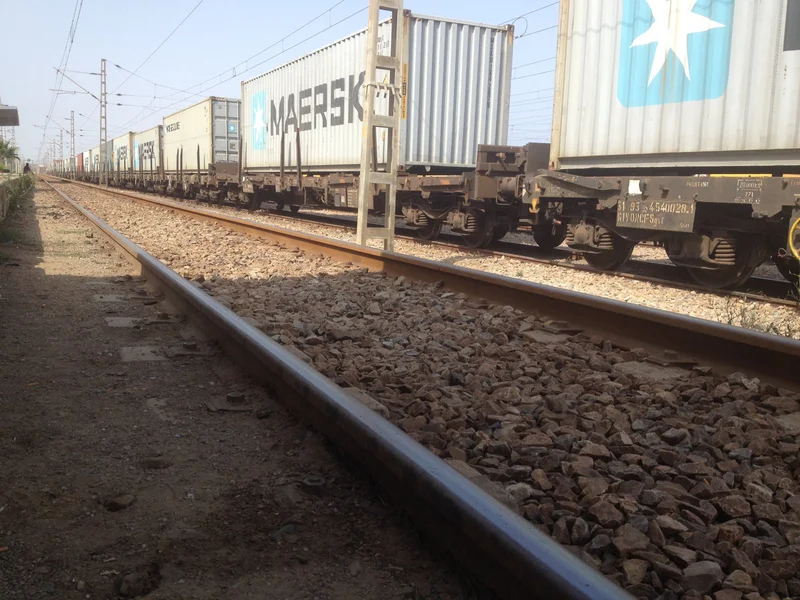
The Lobito Corridor: A New Railway for African Copper
Africa · Infrastructure
Key Facts
- Loan approvedThe African Development Bank (AfDB) Board approved a US$255 million loan on 6 August 2026.
- Grant addedA US$10 million grant from the Rome Process/Mattei Plan Financing Facility accompanies the loan.
- First trancheThe package is the first tranche of a program that could reach about US$500 million.
- Rail lengthThe greenfield project builds roughly 550 km of new railway in Zambia.
- Road upgradeThe plan also upgrades 105 km of the Mwinilunga-Jimbe road.
- Election timingZambia’s election was held on 13 August 2026, a week after the approval.
- Total backingThe wider Lobito Corridor has more than US$2.7 billion in committed financing.
The money moves before the votes. Zambia’s ballot came a week after the AfDB decision, and Angola’s own election looms in 2027. For copper buyers in the Atlantic basin, the real race is not political. It is the landed cost per tonne.
You are watching a railway being built to change the map of global copper. The African Development Bank approved US$255 million for Zambia’s slice of the Lobito Corridor on 6 August 2026, a week before Zambians voted. The corridor is the most concrete Western answer to China’s older rail projects in Africa, and it is aimed at the same Atlantic-basin buyers that Chilean and Peruvian ports already serve.
The money and the timing
The AfDB Board approved the loan from the African Development Fund on 6 August 2026. A US$10 million grant came from the Rome Process/Mattei Plan Financing Facility, an Italian-backed fund.
This is the first tranche of a program that could reach about US$500 million. The total committed financing for the wider Lobito Corridor now exceeds US$2.7 billion.
Zambia’s election followed on 13 August 2026. The approval landed in the middle of a campaign, which tells you how seriously the backers take this project.
They are betting that the corridor survives politics. Angola’s 2027 election is a named execution risk in the reporting around the project.
What the money builds
The Zambian package funds a greenfield railway of roughly 550 km of new track. That track connects Zambia toward the port of Lobito on Angola’s Atlantic coast.
The plan also upgrades 105 km of the Mwinilunga-Jimbe road. That road feeds the rail network and gives the corridor a road-and-rail combination.
This is not a rehabilitation job. It is new infrastructure, built from scratch, to pull Central African copper toward the Atlantic.
The older Tazara railway, China’s flagship project in the region, runs east to Dar es Salaam. The Lobito Corridor runs west, and that direction matters.
What the Lobito Corridor actually changes
Copper from Zambia’s Copperbelt region currently crawls to ports on the east and south. Those routes take weeks and add cost at every stage.
The Lobito Corridor cuts the Copperbelt-to-coast movement from about 16 days to 7 days. That is a nine-day saving on the inland leg alone.
The US Development Finance Corporation (DFC) expects up to 30% lower freight costs. It also expects 29 days shorter transit to world markets.
Those are the numbers that matter to a smelter in Europe or a trader in the Atlantic basin. Time is money, and so is every day of inventory.
The European Union is the largest foreign backer in one account of the corridor’s financing. US and EU officials frame it openly as a Western answer to China.
China built the Tazara railway decades ago. The Lobito Corridor is the new competitor, and it is aimed at the same customers.
The Latin America read on the Lobito Corridor
For Chile and Peru, this is not geopolitics. It is freight economics, and the landed cost per tonne decides where a smelter buys.
Andean copper already has short Pacific access. Chile’s Antofagasta and Peru’s Callao are established ports with mature logistics.
Lobito gives Central African copper new Atlantic reach. That means it competes for the same Atlantic-basin and European buyers as Andean copper.
European smelters pay a premium for shorter shipping times. A 29-day reduction in transit is a massive shift in the cost structure.
Chile and Peru do not lose their Pacific advantage. But they lose the monopoly on convenient copper for the Atlantic market.
The effect reaches Latin America through freight rates and contract prices. When African copper gets cheaper to ship, Andean producers feel the pressure.
That pressure shows up in negotiations with buyers. It shows up in the price differentials between copper delivered to Rotterdam and copper delivered to Shanghai.
Andean copper will still go to Asia, where demand is huge. But the European premium, which has been a reliable margin for Chile and Peru, now faces a rival.
The corridor does not need to beat Antofagasta on every route. It only needs to be competitive on the Atlantic leg to change the market.
That is the quiet threat to Andean producers. They are not losing customers overnight, but they are losing pricing power at the margin.
The election risk nobody can price
Zambia’s election on 13 August 2026 came a week after the AfDB approval. The timing is either a vote of confidence or a gamble.
Angola’s 2027 election is a named execution risk for the corridor. A change of government could slow the project or shift its priorities.
Investors in the corridor are exposed to two elections in two years. That is a lot of political uncertainty for a project of this scale.
The US and EU are pushing hard because they see strategic value. But elections do not care about strategy, and voters have their own concerns.
For Latin American observers, this is familiar territory. Mining projects across the Andes have been delayed or canceled by political shifts.
The difference is that the Lobito Corridor has Western government backing. That backing provides a cushion against some, but not all, political risk.
If Angola’s election produces a government hostile to the corridor, the financing could stall. The US$2.7 billion committed so far does not guarantee completion.
For Chile and Peru, the risk is different. Their copper exports do not depend on a single railway, so they are insulated from this specific political drama.
But they are not insulated from the market effect. If the corridor works, Atlantic copper prices will reflect the new supply route.
The freight economics that decide the winner
There is no clean per-tonne comparison between Lobito and Antofagasta or Callao in the research. The available data is about time and route length, not a single landed cost.
What is clear is that the corridor shortens the Copperbelt’s access to the Atlantic. That is the fundamental change.
Andean copper has short Pacific access, which is a structural advantage. Lobito gives Central African copper a comparable advantage on the Atlantic side.
The two regions will compete for the same buyers in Europe and the Atlantic basin. The winner will be the one with the lowest landed cost per tonne.
That cost includes rail freight, port charges, ocean shipping, and insurance. Every day saved in transit reduces working capital costs.
A smelter buying copper does not care about geopolitics. It cares about the price delivered to its door.
If Lobito delivers copper to Rotterdam cheaper than Antofagasta, the smelter buys from Lobito. That is the entire game.
Chile and Peru can respond by cutting their own costs. They can invest in port efficiency, rail upgrades, and logistics to defend their margins.
The corridor is a wake-up call for Andean exporters. They have enjoyed a geographic advantage that is now being challenged.
That challenge is not existential, but it is real. The Atlantic market is no longer a captive market for Andean copper.
The Lobito Corridor and the future of copper supply
The Lobito Corridor is the most concrete new competition for Andean copper in decades. It is not a paper project or a diplomatic talking point.
The AfDB approval on 6 August 2026 is real money. The US$255 million loan and US$10 million grant are the first tranche of a program that could reach US$500 million.
The corridor has more than US$2.7 billion in committed financing. That is enough to build the railway and make it operational.
The European Union is the largest foreign backer in one account. The US is also deeply involved through the DFC and diplomatic channels.
This is a Western answer to China’s Tazara railway. It is also a commercial answer to the question of where copper goes.
For Latin America, the lesson is that geography is not destiny. A railway in Angola can change the economics of copper from the Andes.
Chile and Peru will need to watch the corridor’s progress closely. Every milestone in the construction is a step toward a new competitive landscape.
The corridor cuts Copperbelt-to-coast movement from about 16 days to 7 days. That is a dramatic improvement in logistics.
The DFC expects up to 30% lower freight costs and 29 days shorter transit to world markets. Those are the numbers that will reshape trade flows.
Andean producers have time to adapt. The corridor is not built yet, and elections in Zambia and Angola add uncertainty.
But the direction is clear. Central African copper is coming to the Atlantic, and it will compete for the same buyers as Chile and Peru.
For investors in Latin American copper, the question is not whether the Lobito Corridor matters. It is how fast it gets built and how much it changes prices.
The Latin America read: what to watch
Watch the freight rates from Lobito to Rotterdam. That number will tell you how competitive African copper really is.
Watch the price differentials between Atlantic and Pacific copper contracts. A narrowing gap means the corridor is working.
Watch the response from Chilean and Peruvian exporters. They may cut costs, improve ports, or renegotiate contracts to defend their position.
Watch the political timeline in Angola. The 2027 election is the biggest single risk to the corridor’s completion.
Watch the Zambian election aftermath. The 13 August 2026 vote will determine whether the new government honors the AfDB agreement.
For now, the corridor is a promise. But it is a promise backed by US$2.7 billion and the combined weight of the US and EU.
That is a serious challenge to the status quo. Andean copper has never faced a competitor with this level of institutional backing.
The next few years will show whether the corridor delivers on its promise. If it does, the map of global copper trade will change.
Chile and Peru will still be major producers. But they will no longer be the only convenient source for Atlantic buyers.
That is the real story of the Lobito Corridor. It is not about Africa or Latin America alone.
It is about the global market for copper and who gets to serve it.
Frequently Asked Questions
What did the African Development Bank approve for Zambia?
The AfDB Board approved a US$255 million loan from the African Development Fund on 6 August 2026. It also approved a US$10 million grant from the Rome Process/Mattei Plan Financing Facility.
What is the Lobito Corridor?
The Lobito Corridor is a railway project connecting Zambia to the port of Lobito on Angola’s Atlantic coast. It has over US$2.7 billion in committed financing.
The US and EU call it a Western answer to China.
How does the Lobito Corridor affect Chile and Peru?
It creates new competition for Atlantic-basin copper buyers. Central African copper will have shorter transit times and lower freight costs, challenging the pricing power of Andean exporters.
What are the transit time savings from the corridor?
The corridor can cut Copperbelt-to-coast movement from about 16 days to 7 days. The US DFC expects up to 30% lower freight costs and 29 days shorter transit to world markets.
Connected Coverage
Sources: African Development Bank; US Development Finance Corporation; US State Department; Reuters; AFP.
This article was produced by The Rio Times’ automated newsroom system. How we use AI · Report an error