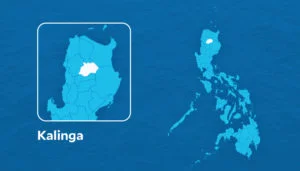
Advocacy group SAVE Kalinga Inc. has raised concerns about the reported issuance of clearance permits by the National Commission on Indigenous Peoples (NCIP) for the 52-megawatt Karayan Hydropower Project, saying the development has yet to gain the clear and legitimate consent of affected indigenous communities. INQUIRER FILES
BAGUIO CITY — Advocacy group SAVE Kalinga Inc. has raised concerns about the reported issuance of clearance permits by the National Commission on Indigenous Peoples (NCIP) for the 52-megawatt Karayan Hydropower Project, saying the development has yet to gain the clear and legitimate consent of affected indigenous communities.
Kalinga Gov. James Edduba recently announced the NCIP go-signal for the Karayan Hydropower Corp., a joint venture of San Lorenzo Ruiz Builders and Developers Group and Union Energy, to proceed with the construction of a run-of-river hydropower system with a 25-meter weir and a 14-million-cubic-meter headpond. The project is targeted to begin commercial operations in 2028.
The project will affect members of the Dallac, Naneng, and Minanga subtribes in several barangays. Republic Act No. 8371 (the Indigenous People’s Rights Act of 1997) requires all developers building on ancestral land to secure the free, informed, and prior consent of affected indigenous Filipinos.
Article continues after this advertisement
READ: Renewables, grid investments key to PH energy security
In a social media post on Thursday, Save Kalinga again questioned the manner in which the FPIC was acquired, claiming that undue pressure, the exclusion of key stakeholders, and signing agreements with the Kalinga clans without full transparency have affected the process.
In Barangay Lucog, the proposed weir and headpond are expected to alter river flows. In Barangay Naneng, residents said coffee and citrus plantations in Sitios Nabnab and Kurngokung could be submerged.
Tunnel works and access roads are also planned in Barangays Dupag and Bagumbayan, near areas that residents identify as ancestral burial grounds.
While the project proponents have offered the clans around P15 million annually through corporate social responsibility and benefit-sharing programs, residents said monetary compensation cannot replace ancestral lands and cultural heritage.
Article continues after this advertisement
They also raised concerns about the possible long-term effects on downstream agricultural water supplies, including those serving the Upper Chico River Irrigation System.
SAVE Kalinga said land, as defined by the indigenous concept of paniyaw (taboo practices) and the bodong (peace pact between tribes), is more than an economic resource.
Article continues after this advertisement
“It is history, livelihood, identity and the legacy entrusted to future generations,” the group said.
SAVE Kalinga urged the government and the NCIP to conduct an independent review of the contested FPIC process.
READ: NCIP exec orders hydropower plants out of tribal lands in Benguet
Your subscription could not be saved. Please try again.
Your subscription has been successful.
It also called on affected residents to remain informed and participate in peaceful and constructive engagements, while pursuing legal avenues to protect their environmental and Indigenous rights./coa