The new Pixel 11 series may be introducing several software improvements to Google's flagship phones, but there's little to be said about online security.
Pixel VPN by Google has been around for years but no major changes have been released recently. So which tool should you pick instead?
The best VPNs are often expensive and have lots of features you might not use. IPVanish, by contrast, is among the cheapest VPNs available, and offers exactly what you need to protect your data online.
It's only $2.19 per month over two years, paid as $52.56 upfront. For that price, you get unlimited simultaneous connections, solid WireGuard connection speeds, and even 3GB of eSIM data to help you travel securely over the summer months.
IPVanish: from $2.19/month ($52.56) for 24 months protection
Get 24 months of VPN protection for your Google Pixel 11 for under $53. IPVanish is cheaper than the likes of NordVPN, Surfshark, and Proton, yet offers:
📱Unlimited simultaneous connections
⚡️ Over 700Mbps WireGuard speeds
🌍 **Servers in over 150 locations **
🤳 3GB eSIM data from aloSIM
It's among the simplest (and best-looking) Android VPNs you could attach to your new phone. Plus, if you're unsure, it offers a 30-day money-back guarantee.
Having tested IPVanish several times recently, it remains among my favorite Android VPNs to use and recommend to beginners.
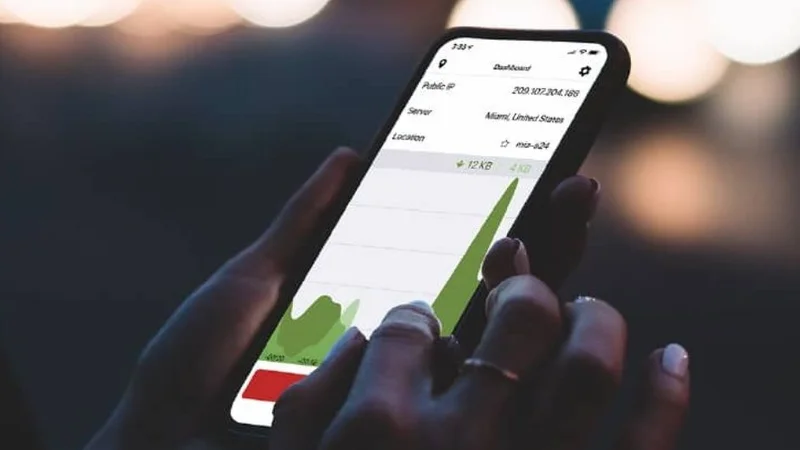
The app looks like it could be something out of a Bond movie with its green and black military-like design. You're greeted with a large connect button, easy access to other tools, and VPN settings that are clearly laid out for beginners
If you're after supreme speeds, there may be better options. It achieved 740 Mbps over WireGuard in our May 2026 testing cycle, which is fast enough but slower than the very fastest VPNs.
As a streaming VPN, IPVanish performed solidly. However, we did encounter some issues with Prime Video, US YouTube and Disney+ Canada. That said, it performed far better than many others.
For the absolute best experience right now, your best alternatives are NordVPN, Proton VPN, or Surfshark, though be prepared to pay considerably more for these right now.
Rob is TechRadar's VPN Editor. Coming from a background in phones and technology, he's no stranger to the risks that come with putting yourself online. Over years of using different platforms, testing the limits of his online persona, and feeling the brunt of several data breaches, Rob has gained a keen understanding of cybersecurity and the benefits of services such as VPNs in providing a secure online experience. He uses this to not only advise on the best ways to stay secure online but also share his own experiences and especially how to avoid trouble. Outside of work, you'll find Rob on the tennis courts, in the gym, or diving into the biggest and best games of the year. To share a story or tip, email robert.dunne@futurenet.com