Brazil · Energy
- What happened:On 12 August 2026, President Luiz Inácio Lula da Silva signed decrees regulating low-carbon hydrogen, carbon capture and storage (CCS), and sustainable aviation fuel (SAF).
- Hydrogen:Decree No. 13,096 puts flesh on Brazil’s 2024 low-carbon hydrogen law (Lei 14.948/2024), with roughly R$18.3 billion (~US$3.55 billion) in tax credits earmarked for 2030–2034.
- SAF:Airlines must cut 1% of flight emissions using cleaner fuel from 2027, rising to 10% by 2037, under the “Fuel of the Future” law (Lei 14.993/2024).
- CCS:Oil regulator ANP will license projects that pump carbon dioxide underground, in two stages — research, then operation.
- Local content:Hydrogen projects using electrolysis must source at least 15% locally; other routes must hit 40%.
- Next step:Regulators ANP and ANAC have 240 days to write the fine print; a first hydrogen auction is expected in 2027.
Brasília has spent nearly two years sitting on the rulebooks. Now the paperwork that unlocks billions in clean-energy spending is finally signed.
Brazil’s new energy transition decrees are meant to turn two-year-old laws into real projects, real auctions and real money. On 12 August 2026, President Lula signed a package of rules covering low-carbon hydrogen, carbon capture and storage, and sustainable aviation fuel, alongside a separate move to open the retail power market.
What Brazil’s energy transition decrees actually do
Think of a law as the skeleton and a decree as the muscle. Brazil passed the laws in 2024, but companies could not act until the government spelled out the details.
These decrees do that. They tell investors who qualifies for tax breaks, how projects get certified, and how much of the kit must be made in Brazil.
Energy Minister Alexandre Silveira framed the package as a way to draw private capital into industries that barely exist here yet. The goal is simple: give companies enough certainty to write big cheques.
Low-carbon hydrogen: a R$18.3 billion bet
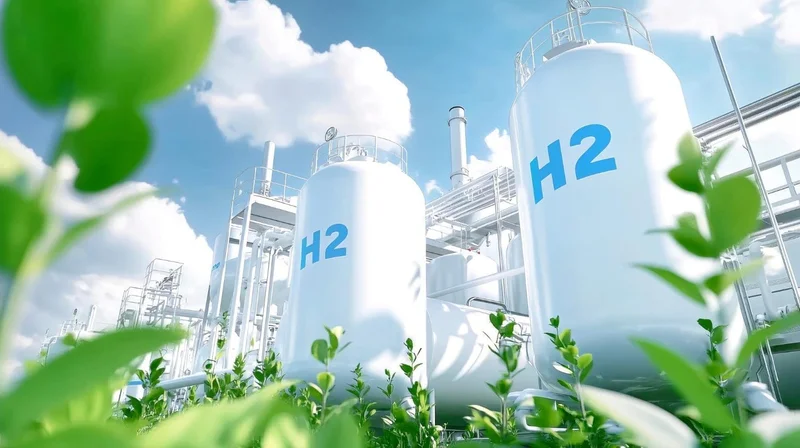
Low-carbon hydrogen is a clean fuel made by splitting water with renewable electricity, or from other sources that emit little carbon. It can replace fossil fuels in heavy industry such as steel, cement and fertiliser.
Decree No. 13,096 regulates the 2024 hydrogen law and its two support schemes. One, called PHBC, offers tax credits worth about R$18.3 billion (~US$3.55 billion) between 2030 and 2034.
The other, Rehidro, suspends federal PIS and Cofins taxes on machinery and materials for approved projects. Those taxes can drop to zero once a plant is running and meets its sustainability targets.
There is a catch for local jobs. Projects using electrolysis must buy at least 15% of their equipment in Brazil, and other technology routes must reach 40%. A new certification system, SBCH2, will grade each batch by how much carbon it emits.
Carbon capture and sustainable aviation fuel
Carbon capture and storage, or CCS, means trapping carbon dioxide before it reaches the air and pumping it deep underground into rock. The decree lets the oil regulator ANP license these projects in two phases — first research and evaluation, then operation — with long-term monitoring built in.
Sustainable aviation fuel, or SAF, is jet fuel made from plants, waste or other renewable sources instead of crude oil. It is the main way airlines can cut emissions without new aircraft.
From 2027, airlines flying in Brazil must reduce their emissions by 1% using SAF, climbing to 10% by 2037. The government projects SAF output of 2.1 billion litres by 2030 and 3.6 billion litres by 2035, avoiding more than 8 million tonnes of carbon dioxide over a decade.
A new certificate scheme, CS-SAF, lets airlines trade the “green” value of the fuel even when they cannot pump it at their own airport. Regulators ANP and ANAC have 240 days to publish the detailed rules.
Why this matters if you live in or invest in Latin America
Brazil has cheap, clean electricity and vast farmland, which makes it a natural home for green fuels. If you invest in the region, these decrees are the starting gun for a wave of projects in the Northeast and beyond.
For residents, the promise is jobs and new industrial hubs, plus cleaner air over time. The local-content rules mean some of that spending should stay in Brazilian factories rather than flowing straight abroad.
There is reason for caution too. The first hydrogen auction has slipped to 2027, and much depends on regulators finishing the fine print on schedule. For now, Brazil has the backbone in place; the test is whether the money follows.
Frequently Asked Questions
What did Lula sign on 12 August 2026?
He signed decrees regulating low-carbon hydrogen, carbon capture and storage, and sustainable aviation fuel, plus a separate rule opening the retail electricity market to smaller consumers.
What is low-carbon hydrogen and why does Brazil want it?
It is a clean fuel made by splitting water with renewable power or from other low-emission sources. Brazil has abundant cheap renewable electricity, so it hopes to produce and export the fuel to heavy industry.
How much money is involved?
The hydrogen program alone earmarks about R$18.3 billion (~US$3.55 billion) in tax credits between 2030 and 2034, on top of tax suspensions for equipment.
When do the aviation fuel rules start?
Airlines must cut 1% of their emissions with sustainable aviation fuel from 2027, rising gradually to 10% by 2037, once regulators finish the detailed rules.
Sources: Ministério de Minas e Energia; Decreto nº 13.096/2026; Lei 14.948/2024 (low-carbon hydrogen); Lei 14.993/2024 (Combustível do Futuro); eixos; Metrópoles; O Tempo; Poder360.
This article was produced by The Rio Times’ automated newsroom system. How we use AI · Report an error