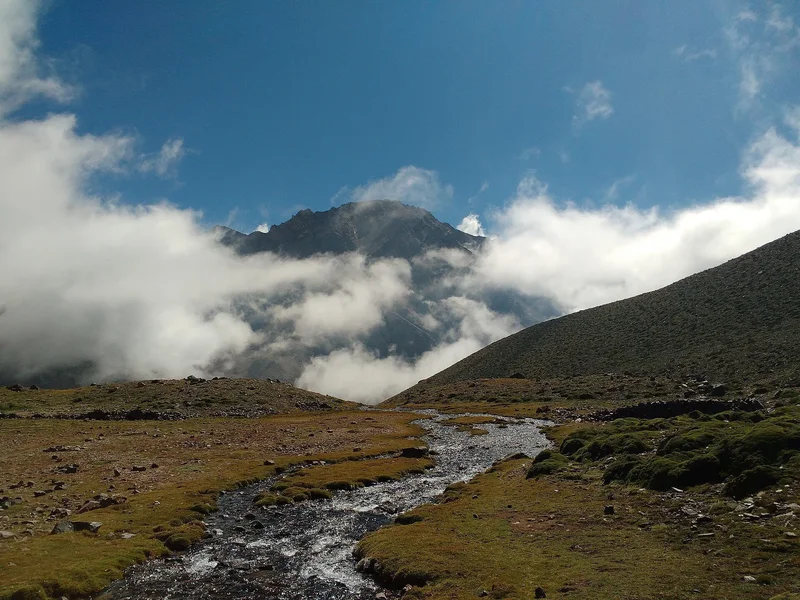
The Cristo Redentor Pass Between Mendoza and Santiago Is Still Closed to Cars as of 13 August 2026
Argentina-Chile · Travel
The road may reopen around 17 August, but that is a weather-dependent plan rather than a promise. And a short flight is the only reliable way across this week.
The Cristo Redentor pass, the main overland link between Mendoza and Santiago, has been shut to all vehicles since mid-July. If you are planning to drive between Argentina and Chile this week.
You need a backup plan, and this guide walks you through it.
Is the Pass Open Right Now?
As of 13 August 2026, the answer is no. The crossing on Ruta Nacional 7 remains closed to every kind of vehicle.
It has been shut since 14 July, when Andes winter storms buried the high route in snow. Nearly a month on, it has yet to reopen.
So if your plan was to simply drive over, it is on hold for now. Do not set out expecting to get through.
Why the Cristo Redentor Pass Is Closed
This corridor climbs to more than 3,000 metres near the Chile-Argentina border. In deep winter, snow and ice can close it for days or weeks at a time.
This year has been rough. Storm after storm has piled snow onto the road, and crews cannot keep the top section clear.
Wind is the other problem. Gusts reported at up to 180 km/h in the high cordillera make the crossing dangerous even between snowfalls.
The Reopening Date Is an Estimate, Not a Promise
You may have seen 17 August mentioned as a reopening date. Read it carefully, because that is a day to reassess, not a firm opening.
Officials have said any reopening depends on the weather, the state of the road and the forecast. None of those can be locked in ahead of time.
In plain terms, the date is a plan that can slip. Build your trip around that uncertainty rather than the headline number.
How Far You Can Get by Road
When crews clear part of the route, traffic can sometimes reach the last mountain settlements. Such as Las Cuevas on the Argentine side.
Beyond that, the international crossing stays shut. That partial access comes and goes with the weather.
A stretch cleared in the morning can be closed again by the afternoon. So even a drive up into the mountains is not guaranteed.
Treat the high road as off-limits until officials say the border crossing itself is open.
Do You Need Chains?
Yes. When the mountain route is running in winter, snow chains and proper winter equipment are required, not optional.
That rule holds even on a clear day, because conditions turn fast at altitude. Police can turn back any vehicle that is not properly equipped.
If you do eventually drive it, carry chains, know how to fit them. And keep warm clothing, fuel and water in the car.
The Fastest Alternative: Fly
With the road shut, the practical way across is to fly. A direct air link connects Mendoza and Santiago, and the hop over the Andes takes roughly an hour.
That short flight does what the closed road cannot. It gets you between the two cities in a single morning, weather at the airports permitting.
If your dates are fixed, price a one-way ticket now. Seats on this route tend to fill up whenever the pass is closed for a long spell.
What About Other Andes Passes?
There are other border crossings along the Andes, but none is a quick swap for this one. The nearest alternatives sit far to the north or south.
Reports have pointed to passes such as Jama, further north, and Cardenal Samore, well to the south near Bariloche. Both mean a long detour of many hours.
Most high-altitude passes at this latitude are seasonal and can also close in winter. Check each one’s status directly before you count on it.
Who Decides When It Reopens
The crossing is run jointly by both countries, so no single office controls it. On the Argentine side, Vialidad Nacional and the Sistema Cristo Redentor coordinate the road.
On the Chilean side, the Unidad de Pasos Fronterizos oversees the border, working with police such as Carabineros. Gendarmeria and highway crews handle safety and clearing.
That is why status updates come from several bodies at once. When they agree it is safe, the crossing opens, and not before.
How to Check the Status Before You Go
Never rely on a date you read a week ago. The situation changes daily, and only a same-day check tells you what is really happening.
Look to the official Argentine and Chilean road and border channels for the current state of the crossing. They post when it opens, closes or runs on reduced hours.
Make that check the morning you plan to travel. If it still says closed, switch to the flight without hesitating.
Planning Around the Uncertainty
If your trip can flex, give yourself a buffer of a few days around the crossing. That way a slipped reopening does not wreck your plans.
Where you can, book refundable or changeable tickets and rooms. A closed pass has a habit of upending fixed itineraries at short notice.
Above all, keep the flight in your back pocket as plan B. It is the one option that does not hinge on the weather at 3,000 metres.
Frequently Asked Questions
Is the Cristo Redentor pass open?
No. As of 13 August 2026 the crossing on Ruta 7 between Mendoza and Santiago is closed to all vehicles. And has been since 14 July after heavy winter snow.
When might it reopen?
Authorities were pointing to around 17 August 2026 to reassess, but that is a weather-dependent plan, not a firm opening. The date can slip, so check the official channels on the day you travel.
How do I cross if I cannot drive?
Fly. A direct Mendoza-Santiago flight crosses the Andes in about an hour and does not depend on the road.
Do I need chains?
Yes. When the mountain route runs in winter, snow chains and winter equipment are mandatory.
This article was produced by The Rio Times’ automated newsroom system. How we use AI · Report an error