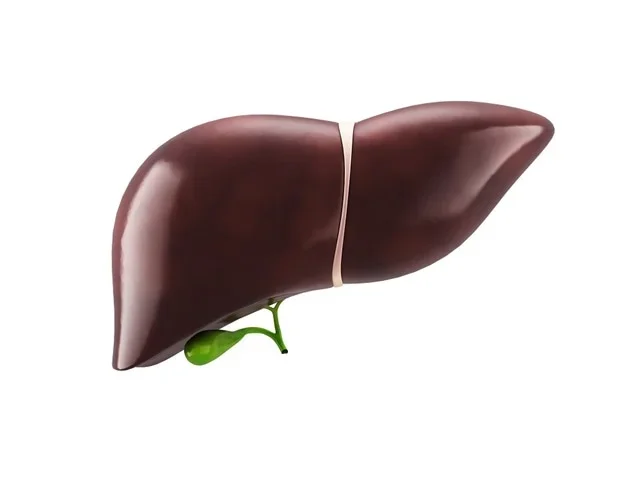
Calls to poison centers involving liver injuries caused by medications, supplements, alcohol and other substances jumped nearly 400% between 2000 and 2024, according to a new study from UVA Health.
Researchers led by UVA's Christopher P. Holstege, MD, looked at liver damage called by "xenobiotics," foreign substances not naturally found in the human body. This category includes drugs, food additives, alcohol and environmental pollutants.
More than 80% of the liver injuries required inpatient care, with the majority of cases stemming from medications. Acetaminophen was the most frequently implicated substance.
Xenobiotic-induced liver injuries reported to U.S. poison centers have steadily increased. The public should be aware of potential liver injury with various substances that are readily available to consumers."
Christopher P. Holstege, director of UVA Health's Blue Ridge Poison Center
Liver injury causes
Holstege and his colleagues identified a total of 220,160 cases of xenobiotic liver injury over the 24 years reviewed. Population-adjusted exposure rates skyrocketed from 10.9 per million people to 52.9 per million people.
The researchers found that exposures from acetaminophen-containing drugs decreased significantly – by 60%-85% – after the U.S. Food and Drug Administration imposed a cap on the amount of acetaminophen allowed in combination prescription products. By contrast, potentially harmful exposures to acetaminophen by itself increased steadily over the 24-year period, indicating that regulatory action successfully reduced liver damage from combination products, while acetaminophen alone remains a leading contributor to liver injuries reported to poison centers.
Females had higher rates of acetaminophen-associated liver injury than males, and suspected suicide was the most common reason for exposure in both sexes, the study found.
"Liver injuries reported to poison centers has increased substantially over the past 25 years, with acetaminophen emerging as a growing contributor," Holstege said. "Our study findings highlight the important role poison centers play in toxico-surveillance."
Alcohol was a distant second in the top causes of liver injuries. This was seen more frequently in men than women, but injuries increased in both sexes during the COVID-19 pandemic.
The researchers also identified increases in liver injuries caused by stimulants and street drugs, herbal and dietary supplements and environmental toxins, but these were far less common than the injuries caused by acetaminophen and alcohol.
"Medications should always be taken as directed by clinicians and per pharmaceutical label instructions," Holstege said. "Care must also be taken in consuming emerging substances that are unregulated. More studies are warranted to determine if specific populations are more at risk of liver injury."
UVA Health's Blue Ridge Poison Center is available to answer questions about potential poison exposures 24 hours a day, seven days a week. The center can be reached at 1.800.222.1222. There is no charge for the service.
Findings published
The researchers have published their findings in Clinical Gastroenterology and Hepatology. The research team consisted of Eleanor Blair Towers, Holstege, Scott Schmalzried and Rita Farah. The scientists have no financial interest in the work.