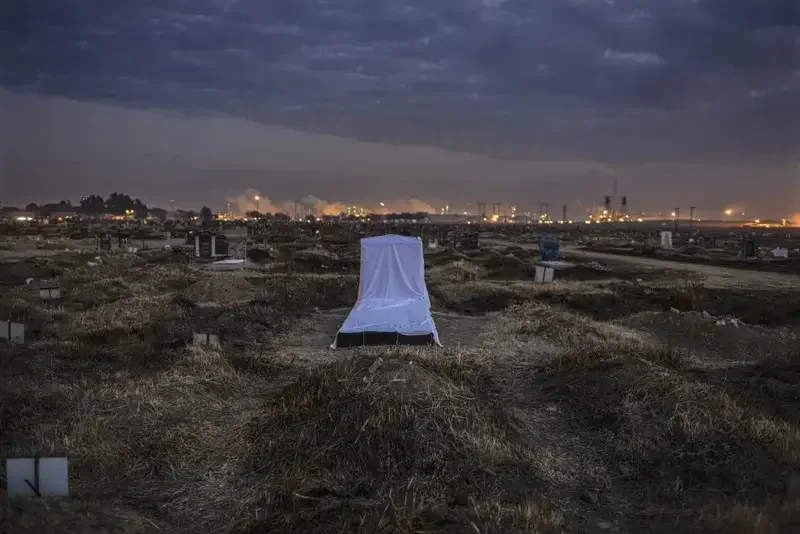
On Sunday 16 August 2026 it will be 14 years since the fateful day in 2012 when police mowed down 34 striking miners at Lonmin’s Marikana mine in the North West province, plunging South Africa into deep mourning.
Twenty four hours before the massacre, the worst in post-apartheid South Africa, Cyril Ramaphosa, then a non-executive director at Lonmin, had sent an ill-fated email to the company’s executives, urging “concomitant action” against the miners and describing their action as “dastardly criminal”.
On Sunday, the commemoration of the massacre — if it happens — will be dominated by political rhetoric and mudslinging between political players. For the families of the victims and the survivors, questions will continue to linger and the flames of pain will lick their memories of one of the bloodiest moments in the country’s history.
They will be reminded — as we all will — that nobody has been held accountable. Many of the families and survivors have lost hope. The people of Marikana have been forgotten by time.
Nobody could have foretold that the strike over wages, where rock drill operators were demanding a living wage of R12 500 a month, could end in bloodshed.
As tension escalated amid union rivalry and state panic, heavily armed police swiftly moved in, trapped the fleeing miners and opened fire with automatic rifles. It was as if the bloody apartheid days had returned.
It is a matter of record that the Farlam Commission of Inquiry later found the police had manipulated evidence and used excessive force.
Fourteen years on, the National Prosecuting Authority has failed to secure a conviction against the commanders or officers involved in the mass killings.
The failure to prosecute those involved raises serious questions about South Africa’s justice system, which seems to foster a culture of institutional impunity where the lives of poor, working-class citizens are treated as dispensable and the elites appear untouchable.
By failing to hold state actors accountable, the justice system erodes public trust, reinforcing a painful narrative that post-apartheid institutions protect political and corporate elites rather than the constitutional rights of citizens.
For the families of the victims and the survivors, the legal paralysis means a perpetual denial of closure. Without accountability, their grief is met with institutional neglect, forcing them to carry the financial and emotional scars alone. The lack of justice means the state has failed to validate their loss, leaving the wounds open and bleeding.
As a nation, we dare not forget the people of Marikana. We can’t afford to wait for 16 August to revisit their pain and suffering. Every day, we must demand justice. For justice delayed is justice denied.