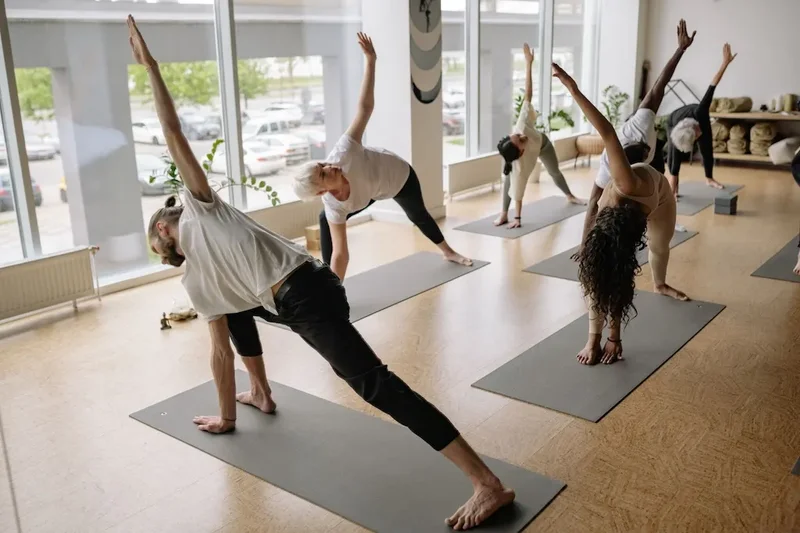
Yoga and pilates have become very popular in Spain. If you have a dream of setting up your own studio, here's everything you need to know, from the legal requirements to what else you need to consider.
Many foreigners move to Spain hoping to set up their own business as a way to earn a living without competing against locals for jobs, particularly with such high unemployment rates.
One type of business venture that is popular and is a dream for many people is to set up a yoga or pilates studio, but how easy or difficult is it to actually set one up here?
Yoga and pilates are already popular pastimes in Spain and there are many studios, especially in the bigger cities. That doesn’t necessarily mean, however, that there isn’t room for more.
Studios particularly aimed at other foreigners could be a good way to go, especially if your Spanish is not up to scratch. There are many people that want to take classes in English in areas popular with foreigners, as well as other languages.
The Pilates Market report by Future Data Stats predicts an annual growth globally of 11.5 percent until 2032, and in Spain, experts such as Eduardo Correa at OBS Business School point to a local growth rate exceeding double digits.
Currently Spain has over 2,600 pilates studios spread across the country, in both major cities and in smaller towns.
There are also more than 400 specialised yoga studios and thousands of fitness centres offering yoga classes.
Madrid, Barcelona, and Valencia have the highest concentration of both yoga and pilates studios in Spain.
Do your market research
To be successful though, you’ll need to differentiate your studio from others in the area and offer something unique.
Think about who you want your potential clients to be and find out if there are enough of them in your town or city to be successful.
You might want to think of specialised studios focused on children, pregnant women, hot yoga or even aerial yoga.
Or perhaps you want to focus on the spiritual and zen side of these practices or on the health and wellness aspect and target athletes or even offer classes for older people.
Whatever you decide, it’s important to do your research first and see what other places are offering in your local area. Find out what types of classes they have, what they charge and what type of reviews they have, then trying to offer something different or even better.
Do I need specific qualifications?
Legally, in Spain there is no mandatory official qualification you need to become a yoga instructor. Having said this, however, clients will demand professionalism and standards, and your business will likely only be successful with them.
Typically, yoga instructors have at least 200 hours of training, recognised by one of these organisations such as the International Yoga Alliance, the European Yoga Federation or another accredited school or programme.
The same goes for pilates, again there is no obligation to get a particular professional certification, but it’s a good idea because many students will be able to tell how experienced you are.
Just because you don’t need a particular qualification, however, doesn’t mean there aren’t other legal steps to take when opening your own studio.
READ ALSO: What are the rules for setting up a food truck in Spain?
Legal requirements
Business licenceFirstly, you will need what is known as a licencia de apertura or business licence. You can apply for this through your Town Hall. It’s important they know it’s for a sport activity as this will be slightly different.
As part of this you will likely need to show plans, a technical report, and in some cases, a technician's certificate, depending on the building you’re opening it in.
The Sports Law may also require you to register with the official sports professionals list, but it depends on the area of the country you’re opening your studio in and what the regional laws say. Employees at your Town Hall should know.
Registering as self-employed or a limited company
Secondly, you will need to register either as self-employed (autónomo) or open a limited company here in Spain. You will also need to register with social security and pay your monthly fees, as well as making sure you comply with VAT obligations etc.
Unless you plan on opening a very big studio and are confident you can get lots of customers at the beginning, it’s probably best to start as being self-employed. It’s important you get advice from a tax lawyer though who can advise you.
READ ALSO: How to register as self-employed in Spain
Liability insuranceImportantly for a pilates or yoga studio, you will need liability insurance to protect yourself against potential harm to third parties. You need to make sure it covers you personally as well as your business.
Data Protection
Thirdly, if you are going to be managing customer data such as names and contact details you will need to make sure you abide by data protection laws here in Spain.
Employees
Lastly, when it comes to legal matters, you need to decide if you’re hiring staff or if you will be teaching on your own. If hiring others, you will need to make sure you have occupational risk prevention in place, as well as a legal employment contract and accident insurance for them.
Business Premises
In addition to all of this, they will likely be more requirements when it comes to the type of building you set up your studio in, whether you rent or buy. You need to think about air-conditioning and heating, soundproofing, ventilation, a lift for accessibility, fire exits, lighting, toilets and the type of flooring it has.
You will also need to consider the type of equipment you need and if the building you want is suitable. If you are renting the space - can you change and adapt it to your needs? This is something you'll need to discuss with your landlord.