Members of the European Union on Thursday agreed to impose a new round of sanctions against Russia over its war in Ukraine after weeks of negotiations.
The 21st round of the package was held up by lots of objections by member states to various proposed elements.
The agreement was reached after weeks of debates, with some members expressing concern that certain restrictions could cause greater harm to the EU economy than to the Russian economy.
The deadlock was overcome after Greece was granted an exemption allowing one of its shipping firms to carry on transporting Russian liquefied natural gas from the Arctic.
What does the 21st sanctions package include?
"Our 21st sanctions package targets the sectors with the highest impact: energy, financial services, crypto, and trade," European Council head Antonio Costa posted online.
Diplomats from the EU's 27 member states had been trying to reach a consensus over the price cap on Russian crude oil exports at $44 (€39) before the deadline.
As per the agreed deal, the current level will remain in place for the next 12 months.
Two EU diplomats said the deal also allows one-year exemption for the transfer of Russian liquefied natural gas (LNG) to third countries, with automatic renewal.
Putin's strategy behind Russia's largest missile attack
[](https://hlsvod.dw.com/i/vps/webvideos/ENG/2026/DWVG/DWVGENG260719_UkraineIns_01SMW_,AVC_480x270,AVC_512x288,AVC_640x360,AVC_960x540,AVC_1280x720,AVC_1920x1080,.mp4.csmil/master.m3u8)
The new package also targets Moscow's financial and crypto sector.
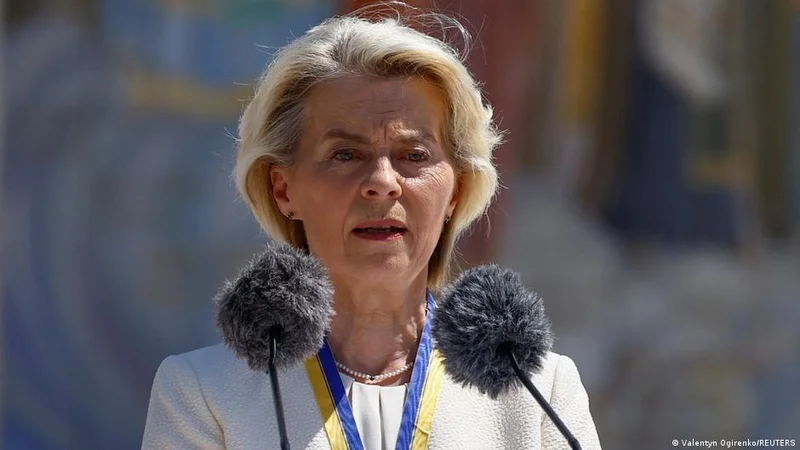
European Commission President Ursula von der Leyen said the package adds 32 Russian banks, crypto firms and oil trading platforms to the EU's transaction ban list.
The new set of EU sanctions also include entry bans and asset freezes on individuals and companies that can be linked to Russia's war against Ukraine.
Von der Leyen welcomed the agreement which will not let automatic adjustment of the international price cap on Russian oil.
She said it is to ensure "that the Russian war machine does not benefit from market shocks."
Edited by: Dmytro Hubenko
Don't let the algorithm hide the news. If you rely on our team for trusted reporting, please take a moment to select us as your Preferred Source on Google by clicking here and hitting the "star" or "preferred" button, so you'll always see our verified news first.