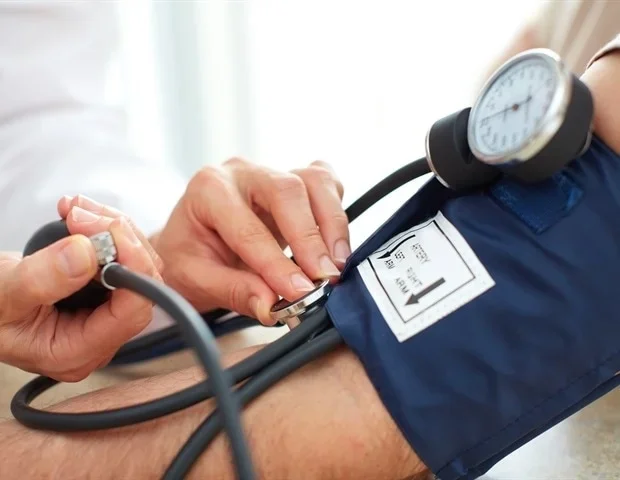
Most people in the UK already monitor their own health and wellbeing, and an overwhelming majority would be happy to do more if advised by the NHS, according to a new University of Manchester led study.
In a survey of 4,270 adults from across the UK, the researchers found that 79% had already used some form of self-monitoring, ranging from tracking blood pressure and blood sugar to monitoring fitness, diet, eyesight, hearing and mental wellbeing.
Published in the journal Archives of Public Health, the findings suggest self-monitoring could play a major role in helping people spot health problems earlier and take greater control of their wellbeing.
The study was part-funded by a National Institute for Health and Care Research (NIHR) Senior Investigator award to lead researcher Professor Kevin Munro and was supported by the NIHR Biomedical Research Centre: Manchester’s Hearing Health Theme.
The results chime with the Governments aspirations for health monitoring technologies to be part of routine care to support proactive health monitoring and preventative action.
The study also found that 86% of respondents would be willing to monitor at least one aspect of their health if recommended by the NHS.
Trust in the technology was high, with between 70% and 94% of participants saying they trusted the results produced by self-monitoring tools.
More than three-quarters (78%) said they would be happy for their results to be sent automatically to their GP.
The researchers say the findings highlight growing public support for a future in which patients can play a more active role in managing their health from home.
People who used self-monitoring said the main benefits included increased awareness of their health, a greater sense of control, easier access to information, more balanced conversations with healthcare professionals and improved psychological support.
However, the study also revealed that participants reported concerns including anxiety, obsessive testing, confusion about results, poor motivation to continue monitoring and worries about technology.
And between 14% and 38% of people said they would take no action if self-monitoring identified a potential problem, depending on the health issue being monitored.
Younger adults and people with higher levels of education were more likely to use self-monitoring, while men, older adults, those living in deprived areas and people with lower education levels were less willing to do so.
The researchers say these differences risk creating new health inequalities if self-monitoring becomes a larger part of healthcare in the future.
Lead researcher Professor Kevin Munro from The University of Manchester said: "Our findings show that self-monitoring of health is already a normal part of life for many people across the UK and that there is strong public enthusiasm for doing more of it in the future.
“Self-monitoring has huge potential to support earlier detection of problems, encourage preventative action and help people take greater control of their health."
However, we must ensure that nobody is left behind and that these technologies are introduced in ways that are accessible, understandable and equitable for all sections of society. Nevertheless, self-monitoring could help transform healthcare through more proactive and preventative approaches though further research is needed to ensure it can be used effectively and fairly alongside traditional clinical care.”
*Kevin Munro, Professor and Senior Investigator, NIHR *