Colombia · Culture
Key Facts
—Institution. The Museo Casa de la Memoria is Medellín’s municipal memory museum, created in 2006 and opened to the public in 2012.
—New archive. The Laboratorio de Memorias digital archive launched with 1,473 records, including testimonies, photographs, and institutional files.
—Collection period. Materials were gathered since 2003 from Medellín, Antioquia, and other regions of Colombia.
—Access. Consultation is free and on-site at the museum to protect sensitive information and ensure preservation.
—Mission. The space supports historical memory, symbolic reparation, dialogue, and the principle of non-repetition.
The Casa de la Memoria in Medellín has opened a new public digital archive, the Laboratorio de Memorias, bringing together more than 1,400 testimonies and documentary records that trace decades of Colombia’s internal armed conflict and the slow, careful work of peacebuilding.
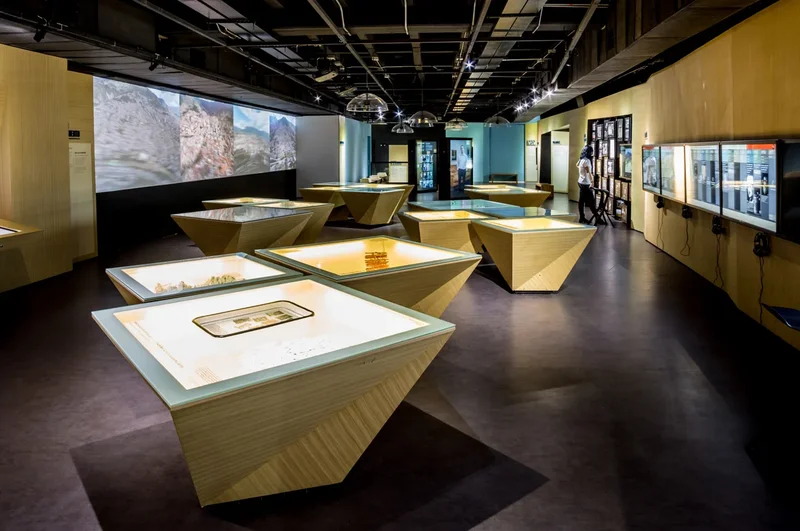
Medellín’s Casa de la Memoria Opens Public Digital Archive. (Photo internet reproduction)
One-stop reference
Company Intelligence
Every listed company in Latin America — financials, ownership and structure for 1,450+ companies across 26 exchanges, in one place.
RTAsk Rio TimesCost of living, safety, visas in Colombia›
RT
Ask Rio Times
Straight answers about living in Colombia, from our reporting.
×
Cost of livingIs it safe?VisasNeighborhoods
A Living Archive, Built Over Two Decades
The archive draws from materials collected since 2003 by the museum and its partners, long before the museum’s physical doors even opened to the public.
It holds testimonies, photographs, institutional files, and other records documenting experiences from Medellín, the Antioquia department, and other regions of Colombia, creating a mosaic of voices from across the nation.
With 1,473 records at launch, the Laboratorio de Memorias is not a static collection gathering dust on a digital shelf.
Museum staff describe it as a growing documentary center designed for victims, researchers, activists, students, and any member of the public seeking to understand what happened during the country’s darkest chapters.
The collection continues to expand, ensuring that newly recovered stories and materials find a permanent home within this structured, searchable memory bank.
Why the Casa de la Memoria Matters Now
The museum itself was born from an initiative of Medellín’s Victim Assistance Program in 2006, a period when the city was grappling intensely with urban violence and the fallout from paramilitary and guerrilla conflicts.
It opened its doors to the public in 2012 as a permanent space for remembrance and reflection on the city’s and the country’s armed conflict and other forms of violence, quickly becoming a landmark for human rights education.
Its mission is to help people understand and overcome those violences, a goal that goes beyond simply displaying artifacts.
The museum frames its work around collective recognition, symbolic reparation, dialogue, and reconciliation, values that the new archive extends into a searchable, structured format accessible to a wider audience.
For a society still navigating a fragile peace process, this archive represents a concrete tool against forgetting, anchoring official and personal histories in one verified location.
How to Visit and Consult the Archive
The archive is accessible only on-site at the museum, located at Calle 51 #36-66 in Parque Bicentenario, a central and easily reachable area of Medellín.
The museum said this in-person requirement protects sensitive information and ensures the long-term preservation of fragile materials, a common practice for archives dealing with delicate historical records.
Admission is free, removing financial barriers for anyone who wishes to engage with Colombia’s complex past.
Regular visiting hours are Tuesday through Friday from 9:00 a.m. to 6:00 p.m., and Saturdays, Sundays, and holidays from 10:00 a.m. to 4:00 p.m.
Foreign visitors, expats, and researchers are welcome to consult the records during those times, making it a valuable resource for international scholars and curious travelers alike.
A Quiet Act of National Repair
Colombia’s armed conflict has lasted more than half a century, leaving deep wounds across urban and rural communities that no single peace agreement can instantly heal.
Memory initiatives like this one are widely seen as essential to the country’s ongoing peace process and to the promise of non-repetition, a principle that seeks to prevent history from repeating itself.
By organizing fragmented voices into a single, searchable archive, the Casa de la Memoria offers a sober space where personal grief becomes part of a shared historical record.
It is a quiet but powerful act of national repair, one testimony at a time, transforming individual pain into a collective call for a more peaceful future.
What This Means for Expats, Tourists, and Investors
For the international community living in or visiting Medellín, the archive offers a profound window into the context that shaped modern Colombia beyond the popular tourist narratives.
Expats and long-term visitors can use the Laboratorio de Memorias to better understand the social fabric of their adopted city, moving past surface-level impressions to grasp the resilience behind Medellín’s celebrated urban transformation.
Investors and business travelers often hear about Medellín’s innovation district and economic revival, but this archive provides the essential backstory of a society that has consciously chosen to confront its past rather than bury it.
Accessing these records, even for a brief visit, can deepen one’s appreciation for the stability and creativity that now define the city, qualities rooted in hard-won peacebuilding efforts.
The museum’s location in Parque Bicentenario also places it near other cultural landmarks, making it an easy and meaningful addition to any itinerary focused on understanding the real Medellín.
The Broader Landscape of Memory in Colombia
The Casa de la Memoria does not exist in isolation; it is part of a broader national movement to document human rights violations and honor victims through official and grassroots memory projects.
Colombia’s 2016 peace agreement with the FARC guerrilla group included provisions for truth-telling and historical clarification, fueling demand for accessible archives like this one.
Similar memory houses and museums exist in other conflict-affected cities, but Medellín’s stands out for its municipal origin and its deep integration with local victim assistance programs.
The Laboratorio de Memorias strengthens this network by offering a model of how cities can preserve sensitive histories responsibly while still inviting public engagement.
As Colombia continues to reckon with ongoing violence involving other armed groups, the archive’s role as a living repository becomes even more urgent, documenting not just a closed past but an evolving present.
Frequently Asked Questions
What is the Casa de la Memoria?
It is Medellín’s municipal memory museum, created in 2006 and opened in 2012, dedicated to remembrance, reflection, and overcoming Colombia’s armed conflict and other violences through exhibitions, education, and now a public digital archive.
Can I access the digital archive online?
No. The Laboratorio de Memorias archive must be consulted in person at the museum to protect sensitive information and ensure proper preservation of the records, a safeguard for both the victims’ stories and the physical materials.
Is there an entry fee for the museum?
No. Admission to the Casa de la Memoria and access to the archive are completely free for all visitors, ensuring that economic barriers do not prevent anyone from engaging with Colombia’s historical memory.