Argentina · Trade
For Tucumán, which grows most of the country’s crop. A small new buyer helps spread the risk of leaning on the EU, the US and Russia.
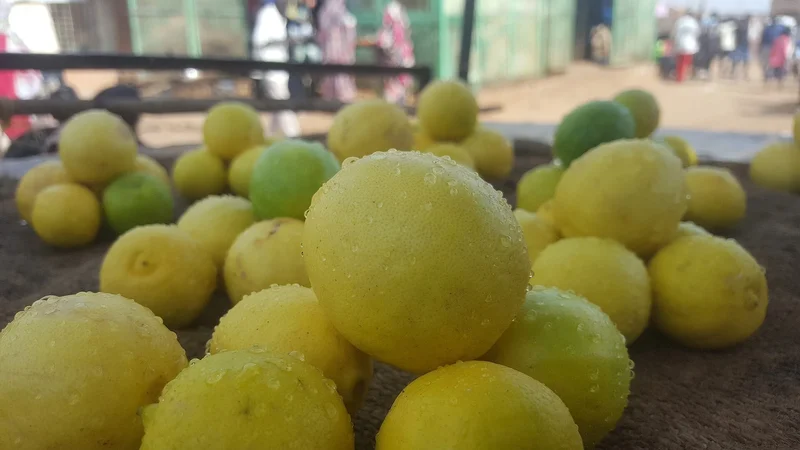
Argentine lemons have found a new home in Central America, after Panama agreed to let them in. On August 11, 2026, Tucumán’s development agency said Panama had cleared the country’s lemons, oranges and grapefruit for import.
It is a modest opening, but a welcome one for a province that lives off selling citrus abroad.
What Panama just approved for Argentine lemons
The news is simple, even if the paperwork behind it is not. Panama has agreed to accept Argentine lemons, oranges and grapefruit for the first time.
The Instituto de Desarrollo Productivo de Tucumán, or IDEP, announced the opening on August 11. The trade outlet FreshPlaza reported the same news two days later.
For lemon country, the headline product is clear. Tucumán is Argentina’s lemon heartland, so the new door matters most to its growers.
How the plant-health approval works
Fresh fruit rarely crosses a border on price alone. First, the importing country must be satisfied that the fruit carries no pests or disease.
That is what a phytosanitary approval means, in plain terms. It is a plant-health clearance that says the produce meets the buyer’s safety rules.
On the Argentine side, the export watchdog SENASA certifies the fruit before it ships. As a result, each consignment travels with an official seal of health.
Why Tucumán is the lemon capital
To grasp why this matters, start with geography. Tucumán is a small northern province, yet it dominates Argentina’s lemon groves.
Depending on the year, it grows roughly 75 to 80% of the national crop. The rest comes mainly from neighbouring Salta and Jujuy.
Because of that concentration, the province and the fruit are almost the same story. When Tucumán’s lemons win a market, Argentina’s lemon sector does too.
Argentina’s place in the world lemon trade
Argentina is not a bit player here. It is one of the planet’s biggest lemon growers.
With a crop nearing 1.9 million tonnes in the 2025/26 season, per US Department of Agriculture estimates. IDEP describes the country as the world’s first producer and processor of lemons.
It also calls Argentina the second-largest exporter of the fresh fruit. Much of that muscle sits in processing, too.
Tucumán is the leading global exporter of lemon essential oil, the fragrant extract used in drinks and cleaning products.
The markets Argentine lemons already depend on
For all that scale, the export map is narrow. A handful of rich markets take most of Argentina’s fresh lemons.
In 2023, Tucumán sold US$110.4 million of fresh lemons to 52 countries. The United States led with 34% of the value, worth about US$38 million.
The European Union and Russia round out the core group. Together, these buyers have long set the rhythm of the province’s harvest.
Why a small new market still matters
Panama will not rival the United States or Europe any time soon. Its population is small, so early shipments are likely to be modest.
Still, the logic of diversification is straightforward. Leaning on three big markets is risky, because one bad season or trade spat can hurt.
A new destination spreads that risk, even in small slices. For growers, another buyer is another cushion against a sudden closed door.
How big could the Panama trade be?
Here honesty is the fair approach. Neither government has published a volume or value target for the new trade.
So the sensible read is cautious optimism. The opening creates the option to sell, rather than a guaranteed order book.
Even so, a foothold in Central America has strategic value. From Panama, Argentine exporters may test appetite across the wider region.
The economics behind Tucumán’s citrus
This is not a hobby crop for the province. Lemons and their derivatives drive Tucumán’s export economy.
In 2023, lemon and processed-lemon exports reached US$420.1 million. That figure was about 54% of everything the province sold abroad.
Because so much rides on the fruit, market access is close to a jobs policy. More buyers can mean steadier work in the groves and packing houses.
The phytosanitary hurdles that shape citrus trade
New markets rarely open by luck. They follow patient technical talks between plant-health agencies on each side.
The recent US work plan for Argentine lemons shows how detailed these deals get. Inspectors, treatments and paperwork are all spelled out.
Panama’s approval fits that pattern, even if the fine print is not yet public. Once the rules are agreed, the fruit can finally move.
What growers hope happens next
For Tucumán’s producers, the mood is quietly upbeat. A fresh market, however small, is a rare piece of good trade news.
The immediate task is practical, not glamorous. Exporters must line up buyers, logistics and cold chains to serve Panama.
If those pieces click, the win could grow over time. Meanwhile, the sector keeps hunting for the next door to open.
Frequently Asked Questions
Which country opened its market to Argentine lemons?
Panama. In August 2026, Panama approved imports of Argentine lemons, oranges and grapefruit, giving Tucumán’s growers a new destination in Central America.
What made the new lemon trade possible?
A phytosanitary, or plant-health, approval by Panama. Argentina’s fruit is certified for export by SENASA, the national food-safety and plant-health agency.
Why does Tucumán matter so much for lemons?
Tucumán grows roughly 75 to 80% of Argentina’s lemons and ranks among the world’s leading fresh-lemon exporters. So a new market mainly benefits its producers.
How much fruit will go to Panama?
No official figure has been published. Panama is a small market, so early shipments are likely modest, but the opening spreads risk beyond the EU, US and Russia.
This article was produced by The Rio Times’ automated newsroom system. How we use AI · Report an error