Panama vs Costa Rica: Is Panama the New Costa Rica for Retirees in 2026?
Expats · Comparison
Costa Rica has long been the poster child for tropical retirement. But a dollar economy, a metro and a famously easy retiree visa are turning heads north.
If you are weighing Panama vs Costa Rica for your retirement, you are really choosing between two different daily lives. Both let you keep your foreign pension tax-free and both welcome retirees with open arms.
Yet one gives you a dollar-priced, high-rise city, while the other offers rainforest, surf and a slower pace.
Two Very Different Tropical Lives
Costa Rica built its name on nature. Think national parks, volcanoes, empty beaches and the easy pura vida attitude that greets you everywhere.
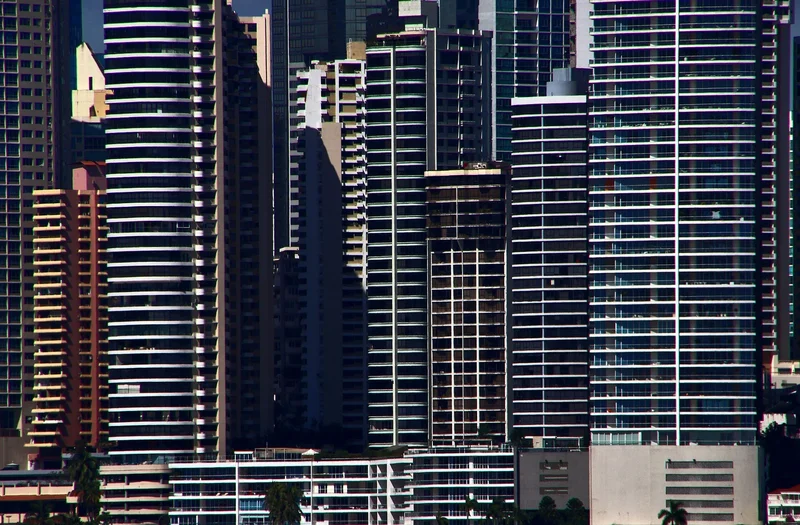
Panama sells something else entirely. Its capital is a wall of glass towers, air-conditioned malls and a working metro, all priced in US dollars.
So the honest question is not which country is better. It is which version of tropical living actually fits how you want to spend your days.
Residency: The Two Pensionado Visas Compared
Panama’s Pensionado is the star of the show. You qualify with a lifetime pension of just US$1,000 a month, and it grants permanent residency almost straight away.
That figure drops to US$750 a month if you buy a home worth at least US$100,000. A couple simply adds US$250 for the dependent spouse.
Costa Rica’s Pensionado also asks for a guaranteed lifetime pension of US$1,000 a month. Because it is a fixed benefit, ordinary savings or dividends usually will not count.
If you lack a formal pension, Costa Rica still has doors open. The Rentista route needs US$2,500 a month in passive income, or a US$60,000 bank deposit drawn down over two years.
Investors get a third path. The Inversionista visa starts at a US$150,000 investment, often in property held in your own name.
How the Taxman Treats You
Here the two countries are twins. Both use a territorial tax system, which means only money earned inside the country is taxed.
As a result, your US Social Security, foreign pension and overseas investment income are not taxed in either Panama or Costa Rica. In Panama, local income is also gentle, with the first US$11,000 taxed at zero.
For most retirees living on foreign income, the effective income-tax bill is simply nothing.
What It Costs to Live
Day to day, the two are closer than you might expect. A couple can live comfortably on roughly US$2,500-3,500 a month in Panama City.
Costa Rica’s Central Valley towns, such as Atenas or Grecia, run a touch lower at about US$2,000-3,500 for a couple. Rent is where the gap widens.
A central one-bedroom in Panama City tends to cost US$900-1,400 a month. In a mid-range Costa Rican town, however, the same apartment often runs just US$400-800.
Popular beach spots in Guanacaste, by contrast, can cost far more.
Buying Property in Either Country
Foreigners can own property outright in both countries, with the same title rights as locals. That security is a big reason expats feel comfortable buying.
In Panama City, mid-range apartments are often quoted around US$1,800-2,500 per square meter, with waterfront towers well above that. Costa Rica’s Central Valley is broadly similar at roughly US$1,500-2,500 per square meter.
Prime beach areas naturally climb higher. One caveat before you fall for a beach: Costa Rica restricts building in the first 200 meters of shoreline.
Known as the maritime zone.
Healthcare: Caja vs Pensionado Discounts
Costa Rica folds you into its public system, the Caja. Legal residents must enroll and pay a monthly fee based on income, usually around 5% to 11%.
That fee, as little as roughly US$52 a month on a US$1,000 pension, buys unlimited public care for you and your spouse. Panama leans the other way, toward private hospitals paired with generous pensionado discounts.
Retirees get 20% off medical consultations and 20% off prescription medicines. Many expat couples in Panama City still carry private insurance, typically budgeting US$300-500 a month.
Both countries offer respected private hospitals with English-speaking, often US-trained doctors.
The Pensionado Perks That Set Panama Apart
Panama’s discount law is unusually broad, and it applies from the day you get residency. These perks are written into the country’s Law 6.
You get 25% off sit-down restaurant meals and 25% off airline tickets. Hotels are 50% off from Monday to Thursday.
Utilities join the party too, with 25% off electricity up to 600 kWh a month. Movies and cultural events are half price as well.
Costa Rica has no equivalent nationwide discount card. Instead, its value comes from cheaper rents and that all-in Caja health cover.
City Comforts vs Getting Around
Panama City feels like a small Miami on the isthmus. It has a two-line metro plus an airport spur, reliable utilities and fast internet.
Its Tocumen airport (PTY) is a major regional hub, so flights home are frequent and often cheap. A third metro line is under construction.
Costa Rica is more spread out and more rural once you leave the capital. Coastal roads can be slow, and most flights route through San Jose (SJO).
For pure convenience, therefore, Panama City wins. For waking up to birdsong and forest, Costa Rica is hard to beat.
Panama vs Costa Rica: Who Should Choose Which
Choose Panama if you want a modern, walkable city, a dollar economy and the easiest retiree visa in the region. It suits convenience-seekers and property investors.
Choose Costa Rica if nature is the whole point. Beaches, mountains, biodiversity and a slower rhythm reward those happy to trade some polish for peace.
In short, the Panama vs Costa Rica choice comes down to city polish against wild green calm. Panama is the new Costa Rica for city lovers, yet the original still owns laid-back living.
Frequently Asked Questions
Is Panama or Costa Rica cheaper for retirees?
Costa Rica’s inland towns usually win on rent, with one-bedrooms from US$400-800. Panama City costs more to rent but pays it back through pensionado discounts.
How much pension do I need for each retiree visa?
Both Pensionado visas require a US$1,000 a month lifetime pension. Panama drops that to US$750 if you buy a US$100,000 home.
Do I pay tax on my foreign pension in either country?
No. Both Panama and Costa Rica use territorial tax systems, so foreign pensions and overseas investment income are not taxed.
Can foreigners own property in Panama and Costa Rica?
Yes, in both. Foreigners hold full title with the same rights as locals, though Costa Rica limits building in the first 200 meters of shoreline.
This article was produced by The Rio Times’ automated newsroom system. How we use AI · Report an error