Brazil’s Lula triggers reciprocity process against US tariffs in effort to show strength
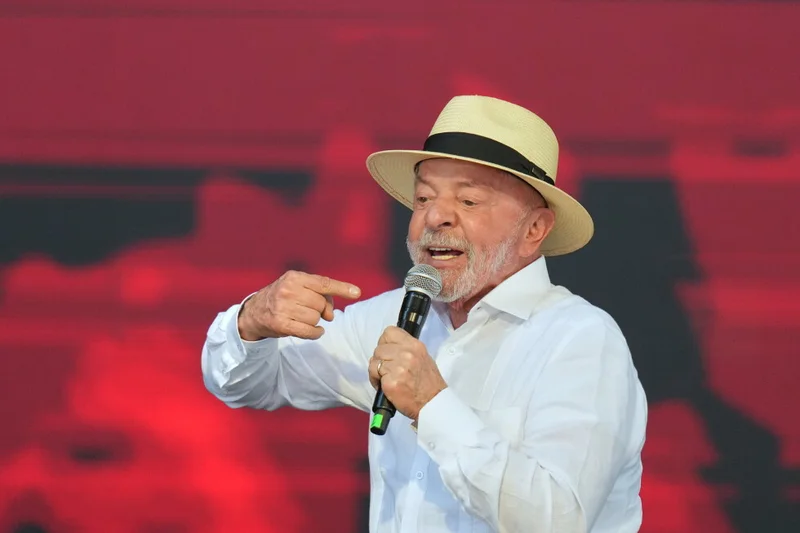
SAO PAULO (AP) — Brazilian President Luiz Inácio Lula da Silva said Friday his government has triggered an economic reciprocity law mechanism against U.S.-imposed tariffs, saying the move was intended to show his nation must be respected.
In July, U.S. President Donald Trump imposed tariffs on hundreds of Brazilian exports, with duties reaching up to 37.5% in some products. The Trump administration has accused Brazil of unfair trade practices, but Lula has denied the accusations, insisting they are politically motivated ahead of the October election.
Lula is seeking reelection against Sen. Flávio Bolsonaro, a Trump ally who met with U.S. officials, including Trump, in Washington weeks before the administration proposed higher tariffs on Brazilian goods.
“Yesterday, we invoked the reciprocity law to show that we are not to be taken lightly,” Lula said in an interview with Brazilian podcasters. “We respect ourselves. I am very calm knowing what could happen, and I am prepared to debate the defense of Brazil anywhere in the world.”
Brazil’s Foreign Ministry said in a statement late Thursday it is requesting diplomatic consultations with its U.S. counterparts on the issue, as a sign of Lula’s aim “to privilege dialogue and negotiation in its international relations.”
The beginning of the proceedings does not necessarily mean Brazil will retaliate against U.S. tariffs.
“I don’t want any fight with the United States,” Lula said Friday. “Unfortunately, they are spreading falsehoods.”
Earlier this month, the U.S. State Department revoked the visa of Brazil’s ambassador to Washington in retaliation for Brazil’s denial of visas last month for two American diplomats who sought to visit ahead of the October election.
The U.S. government also has accused Brazil of stalling approval of Trump’s nominee for ambassador in Brasilia, while Brazilian officials say the U.S. should have first sought the government’s approval before submitting the nomination to Congress, as diplomatic protocol requires.
Since U.S. Secretary of State Marco Rubio revoked the Brazilian ambassador’s visa in response to Lula’s actions but did not order her expelled, U.S. officials have said the Trump administration does not want the dispute to escalate.
These officials, who have spoken on condition of anonymity to discuss internal administration deliberations, have said on multiple occasions that Rubio’s limited response was intentionally designed to give Lula time and space to back down.
At the same time, they have said that the U.S. will respond quickly should Lula’s government choose to escalate the matter and that declaring the Brazilian ambassador “persona non grata” and expelling her from the U.S. would be a logical next step.
Lula said once again Trump has treated him well, but warned any foreign governments “who come here to meddle in the election, will lose.”
Associated Press writer Matthew Lee contributed from Washington.
Follow AP’s coverage of Latin America and the Caribbean at https://apnews.com/hub/latin-america