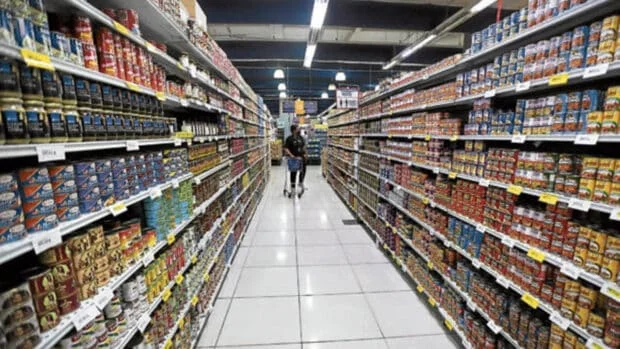
Filipinos turn more cautious on spending amid financial pressures
MANILA, Philippines — Filipino households are becoming more cautious with their spending as global and political uncertainties put renewed pressure on family budgets, prompting consumers to seek cheaper products and make do with smaller baskets.
Worldpanel by Numerator said its Shopperscope 2026 study showed Filipinos expect both their financial and socioeconomic conditions to worsen over the next 12 months.
READ: Filipinos seen reducing nonessential spending
Article continues after this advertisement
More households are worried about simply making ends meet and being unable to cover family expenses, reversing signs of improvement seen in 2025.
“Our data shows that Filipinos are slipping back into financial constraints after experiencing signs of improvement in 2025,” said Laurice Obana, shopper insights director at Worldpanel.
“Although the direct impact may vary, Filipino households are feeling intensified pressure by ongoing global challenges,” Obana added.
Worldpanel surveyed Filipino households from January to March, before the Middle East conflict, and again in April at the onset of the conflict to assess changes in consumer sentiment.
The firm divides households into three groups based on their financial situation: “comfortable,” or those with more resources to afford most things; “managing,” or those able to keep their finances at breakeven; and “struggling,” or those who are almost always short on money.
Article continues after this advertisement
Worldpanel said mounting financial pressure could push each group closer to a tipping point.
Struggling households could sink deeper into deficit, while those classified as Managing could eventually fall short.
Article continues after this advertisement
Even comfortable households could see their financial buffers shrink. This caution is already showing up in consumer spending.
Worldpanel said the local fast-moving consumer goods industry recorded no growth from March to May compared with the same period last year.
To stretch their budgets, Filipino shoppers are seeking cheaper products, hunting for promotions and discounts, and purchasing smaller baskets.
READ: Weak confidence clouds PH spending outlook
Shopping behavior also varies across retail channels. Frozen meats and nonsweet snacks are purchased the most from discounter stores, while baby diapers lead purchases through online channels.
Spending on snacks, ice cream and bread at convenience stores, meanwhile, posted double-digit growth.
For retailers, Worldpanel said proximity alone was no longer enough to keep consumers coming back. Shoppers are also weighing product assortment and the value offered by stores.
“Retailers can no longer rely on old habits to attract shoppers,” Obana said. “It is important to understand how and why Filipinos choose where they buy their essentials.” INQ