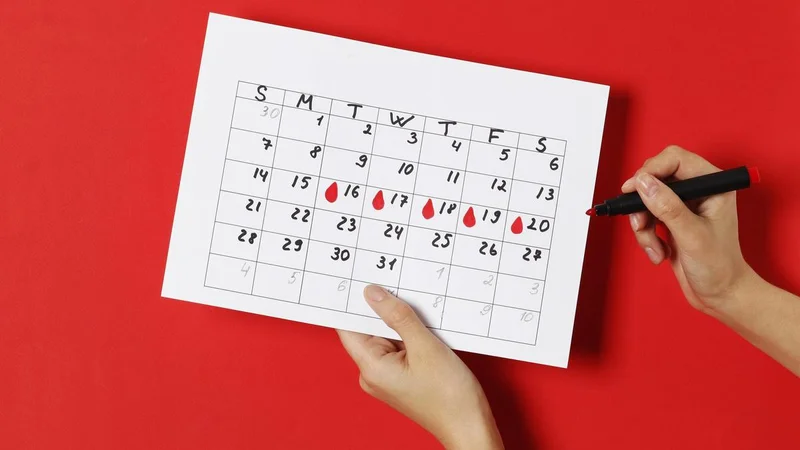
A period arriving a few days earlier or later than expected can be unsettling, particularly during a heatwave, a spell of heavy rain or a sudden change in routine. The menstrual cycle is primarily regulated by hormonal signals between the brain and ovaries. Weather does not directly control menstruation, but extreme conditions can place physical stress on the body and affect sleep, hydration, physical activity, appetite and stress levels. These changes may, in turn, affect ovulation and the symptoms experienced around a period.
How it works
Sandhya Vasan, director and senior consultant, gynecology, SIMS Hospital, Chennai, says extreme weather can act as a physiological stressor. The body’s stress response involves hormones such as cortisol, which can affect the hypothalamic-pituitary-ovarian (HPO) axis that regulates ovulation and menstruation. If this hormonal signalling is disrupted, ovulation may be delayed, occur earlier or, in some cases, be skipped, resulting in a longer, shorter or irregular cycle.
The evidence linking weather directly to menstrual changes, however, remains limited. Much of the effect may come from the changes that extreme weather brings to everyday life rather than from temperature itself.
Heat can amplify symptoms
Extreme heat can make an already uncomfortable period harder to manage. Dehydration, fatigue and poor sleep can add to the physical stress of menstruation and may make cramps, headaches, dizziness and premenstrual symptoms more noticeable.
P.M. Gopinath, director of reproductive medicine, Kauvery Hospital, Vadapalani, Chennai, says heat causes blood vessels to dilate as the body attempts to lose heat. At the same time, sweating leads to fluid and electrolyte loss. Together with heat-related fatigue and disturbed sleep, these changes can make menstrual symptoms feel more intense.
Pavithra Ramakrishnan, consultant, obstetrics, gynecology and reproductive medicine, Apollo Speciality Hospitals, OMR, Chennai, says some women may notice heavier or lighter bleeding, fatigue and headaches during extreme heat. Dehydration and physical stress can also affect the timing of ovulation, potentially shifting the next period.
However, a change in bleeding should not automatically be considered a response to temperature. Persistent or significant changes require assessment for other causes.
Some women may be more vulnerable to the effects of extreme weather. These include adolescents whose cycles are still becoming regular, women with PMOS (previously PCOS) or thyroid disorders, athletes, outdoor workers and those with limited access to water and rest. Women approaching perimenopause, or those prone to migraines or low blood pressure, may also find symptoms more difficult to manage.
Cold weather effects
The relationship between cold weather and menstruation is less clear. Cold can cause blood vessels to constrict and muscles to tighten, which may make cramps feel worse for some women. Reduced physical activity during colder weather can also contribute to discomfort.
Heavy rain and flooding create a different menstrual health concern. When transport is disrupted or access to toilets, clean water and menstrual products is limited, maintaining menstrual hygiene becomes more difficult. The problem is therefore not only physical discomfort but also access to basic facilities needed to manage menstruation safely.
Humidity and hygiene
Hot and humid conditions can also increase sweat and moisture around the genital area. This can contribute to irritation, chafing and skin infections, particularly when tight synthetic clothing or damp clothes are worn for long periods.
Dr. Gopinath recommends changing menstrual products regularly, wearing breathable cotton underwear and keeping the area clean and dry. Scented products that can irritate sensitive skin should be avoided. Cloth pads should be washed thoroughly and dried completely before reuse.
Managing periods
Managing the effects of extreme weather largely involves reducing the additional physical stress on the body.
Adequate fluid intake is important, particularly during hot and humid weather. There is no single amount of water that everyone needs each day; requirements vary with temperature, physical activity and individual health. Water-rich foods such as cucumber, watermelon and citrus fruits can also contribute to fluid intake.
A balanced diet, including iron-rich foods, can help maintain energy levels, particularly for women who have heavy menstrual bleeding. Light physical activity such as walking, stretching or yoga may help with cramps. During extreme heat, strenuous exercise can be shifted to cooler parts of the day, with adequate rest and fluids.
Keeping a menstrual calendar can help distinguish an occasional change from a persistent pattern. Recording the dates of periods, duration of bleeding, flow and associated symptoms can also provide useful information during a medical consultation.
When to seek help
The most important distinction is between a temporary change during extreme weather and a persistent menstrual problem.
A period that is slightly early or late after a period of heat, poor sleep or disrupted routine may not indicate an underlying disorder. But repeated irregularity should not be explained away as a weather-related effect.
Doctors recommend medical evaluation if cycles remain irregular for about three cycles, bleeding becomes unusually heavy or pain is severe. Periods lasting more than seven days, fainting, significant dehydration, fever or foul-smelling discharge also warrant medical attention. Severe pain that does not improve with usual measures should not be ignored.
Conditions such as PMOS (previously PCOS) and thyroid disorders can cause irregular periods and abnormal ovulation independently of weather. If such conditions are suspected, appropriate evaluation and treatment may be needed.
Weather can therefore influence menstrual health, particularly by adding physical stress or worsening existing symptoms. But it should not become an easy explanation for persistent changes that warrant medical attention.
Published - August 15, 2026 09:00 am IST