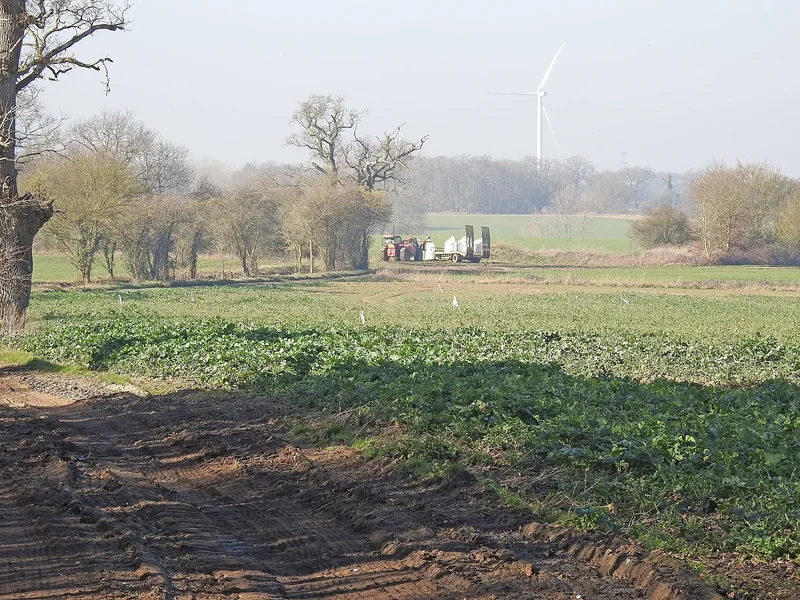
Mexico Fertilizer Tariffs Hit Chinese Ammonium Sulfate at US$149 a Tonne
Mexico · Trade
The definitive duty lands days after Beijing slapped anti-dumping levies on Mexican pecans, feeding talk of a slow-burning trade spat.
Mexico fertilizer tariffs took a sharper turn this month. As the government locked in a definitive anti-dumping duty on ammonium sulfate shipped from China.
The measure charges US$0.1488 per kilogram, roughly US$149 a tonne, on a nitrogen fertilizer that farmers rely on. It arrived just days after Beijing hit Mexican pecans with steep new levies.
What Mexico Actually Did
On 14 August 2026, Mexico’s Economy Ministry published its final ruling in the official gazette. It sets a definitive duty of US$0.1488 per kilogram on ammonium sulfate coming from China.
That works out to about US$149 for every tonne imported. The duty targets one specific product, a nitrogen-and-sulfur fertilizer, under customs line 3102.21.01.
Why Mexico Fertilizer Tariffs Are Anti-Dumping Duties
It helps to be precise about the label here. These are not blanket import taxes but anti-dumping duties, applied because officials found Chinese fertilizer selling below fair value.
The investigation began on 20 February 2025, long before the current pecan row. Therefore the case rests on trade-remedy law, not on any formal decree of revenge.
The Pecan Dispute That Set the Stage
The backdrop is a separate fight over nuts. On 10 August 2026, China’s commerce ministry announced preliminary anti-dumping duties on pecans from Mexico and the United States.
For Mexican exporters, the rates run from 17.8% to 51.6%, depending on which firm ships the nuts. The measures took effect the next day, on 11 August 2026, as cash deposits at the border.
Is This Really Retaliation?
The honest answer is: not officially. Because the fertilizer case opened back in February 2025.
It cannot be a direct reprisal for a pecan ruling that came 18 months later. Still, the optics are hard to ignore.
The final duty landed just four days after China’s pecan decision. So analysts and farmers alike have read the timing as a quiet tit-for-tat.
How the Duty Grew Over Time
This was not a sudden move. In late November 2025, Mexico first imposed a provisional duty of US$0.1807 per kilogram.
Or about US$181 a tonne, while the probe continued. The final figure came in lower, at US$0.1488 per kilogram.
In short, the definitive rate eased slightly from the temporary one, yet it still adds a real cost to imports.
The Bigger Trade Wall With China
The fertilizer duty sits inside a much larger shift. On 29 December 2025, Mexico published a decree raising tariffs on roughly 1,463 product lines from countries without a free-trade deal.
Those rates range from 5% to 50%, with finished cars at the top, and took effect on 1 January 2026. As a result, Chinese goods now face a steeper wall across autos, steel, textiles and more.
Why Washington Is Watching
Mexico’s tariff push is not only about protecting its own factories. It also signals alignment with the United States, which has pressed its neighbor to curb cheap Chinese imports.
The pressure sharpens because the USMCA trade pact faces its scheduled review in 2026. Consequently, Mexico is keen to show it is not a back door for Chinese products heading north.
What It Means for Mexican Farmers
Ammonium sulfate feeds crops with nitrogen and sulfur, so the duty touches everyday farming costs. Growers who lean on cheap Chinese supply may now pay more or switch to other sources.
However, domestic and non-Chinese producers stand to gain, which is exactly the point of an anti-dumping duty. The trade-off, as ever, is protection for local industry against higher prices at the farm gate.
The Money in Context
The duty is set in US dollars, which shields it from peso swings. For reference, the peso traded near 17.05 to the US dollar in mid-August 2026.
At that rate, the US$149-a-tonne charge is a meaningful add-on for bulk buyers. Meanwhile the pecan levies cut the other way, squeezing Mexican growers who sell into China.
What Happens Next
China’s pecan duties are still preliminary, with a final ruling expected later in 2026. Until then, both sets of measures stay in force and keep the two economies at odds.
For now, the pattern is clear: each side is leaning on trade-remedy law rather than open threats. Even so, the drift toward friction between Mexico and China looks set to continue.
Frequently Asked Questions
What exactly did Mexico tax?
Mexico set a definitive anti-dumping duty of US$0.1488 per kilogram, about US$149 a tonne, on ammonium sulfate fertilizer imported from China. It was published on 14 August 2026.
Are the Mexico fertilizer tariffs retaliation for China’s pecan duties?
Not formally. The fertilizer case opened in February 2025, well before the pecan ruling.
What did China do to Mexican pecans?
On 10 August 2026, China announced preliminary anti-dumping duties on pecans from Mexico and the US. Mexican firms face rates of 17.8% to 51.6%, effective 11 August 2026.
How does this fit Mexico’s wider China policy?
It follows a December 2025 decree that raised tariffs on 1,463 product lines from non-FTA countries. Up to 50%, from January 2026, largely aimed at Chinese goods.
This article was produced by The Rio Times’ automated newsroom system. How we use AI · Report an error