Over the years, we’ve enjoyed terrific games from developers large and small, on platforms popular and obscure. Many of the biggest hits received numerous sequels and spawned franchises that endure to this day. Others were never revisited, despite the strong impression they left.
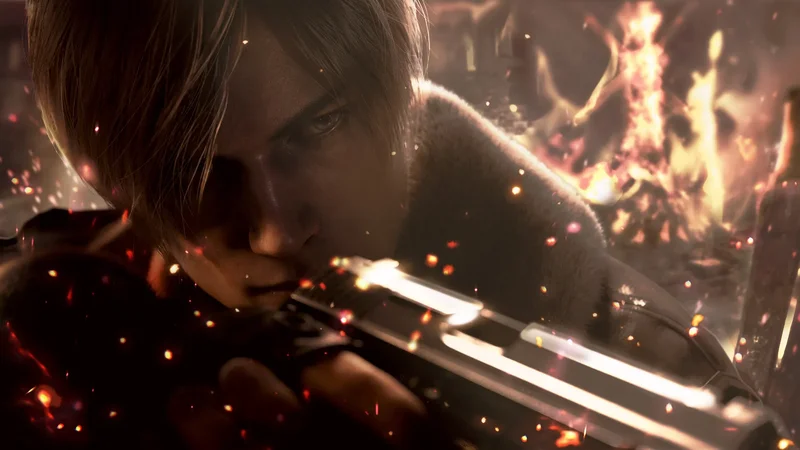
Sometimes, there’s no obvious reason a series fell apart. Things just didn’t work out. And not every sequel or remake can hit as hard as Resident Evil 4. Whatever the case of their premature demise, here are 10 games that need modern-day remakes to revive their fortunes and reach a new audience the second time around.
1 The 7th Saga (1993)
Known as Elnard in Japan, The 7th Saga came to North America with increased difficulty (and, like many of the best SNES RPGs, never made it to Europe at all). Unfortunately, the higher difficulty led a lot of players to grind extensively, dampening the appeal among a broad audience. But the game’s core concept – seven adventurers separately wandering a grim fantasy world in search of the same crystals – was terrific. It also featured some impressive visuals for the era, and neat features like a crystal ball that made it possible to see and (in theory) avoid incoming enemy encounters. Each protagonist interacted differently with the other lead characters, allowing the player to recruit some of them and battle others, which encouraged multiple playthroughs. Original developer Produce! has long since folded, but a properly balanced remake from some other capable studio might easily secure the broad success that eluded the original release.
2 Populous (1989)
Peter Molyneux is known for a lot of great things, and one of them is creating Populous while working at Bullfrog Productions. It’s considered the first “god game,” and allows players to guide civilization as it gathers sufficient might to conquer some other growing society elsewhere on the map. Players shape the landscape, giving their people more room to build, which in turn provides “mana” that makes further manipulation possible. There’s more to it than that, of course, and players enjoyed learning the game’s nuances while playing on a wide variety of platforms. Unfortunately, there hasn’t been a proper new installment since a DS port in 2008. Before that, the last new entry was Populous: The Beginning in 1998. In 2012, Molyneux attempted a revival with a related game, Godus, but it had a troubled release that even prompted an apology after a troubled Kickstarter campaign that failed to deliver on the team’s lofty promises. The best hope of the return to form fans crave is likely a reboot of the original, which can’t come soon enough.
3 Ogre Battle: March of the Black Queen (1993)
A lot of the RPGs released on the Super Nintendo during the ‘90s played out very similarly: turn-based adventures centered around a group of unlikely heroes saving the world from an ancient or otherworldly evil. Some of us wanted something a little different, though, and Ogre Battle: March of the Black Queen filled that void as the start of one of the greatest Japanese RPG franchises. Players built huge armies and sent out units to scout sprawling maps before eventually facing off against a general at their fortress. Alignment and other numbers determined which events occurred, ensuring there were reasons to play through the lengthy story campaign more than once. The battles themselves didn’t require constant commands, instead playing out automatically based on the placement and class of units. There was a lot of depth to the gameplay, and direct follow-ups in the form of Tactics Ogre (which more closely resembled Final Fantasy Tactics) and Ogre Battle 64: Person of Lordly Caliber. But neither the original release nor its Nintendo 64 follow-up have seen a proper update in literal decades. That needs to change.
4 Uncharted Waters (1990)
Uncharted Waters is one of the greatest NES games ever released, and more enjoyable still on the Super Nintendo. It received a direct follow-up in New Horizons, which also came to North America, but otherwise the series stayed in Japan and eventually went silent. The mix of seafaring combat, trade, discovery, and even a bit of gambling at the port proved compelling even with limited hardware. It felt like a typical RPG in many ways, but with pages torn from history that suddenly came to life. If you played the original release, imagine how a remake might look now, if Koei gave it the sort of resources it has lavished on the likes of Romance of the Three Kingdoms 8 and Nobunaga’s Ambition. Unfortunately, Koei only seems interested in giving the series the wrong sort of attention in recent years. 2023’s Uncharted Waters Origin for mobile and PC expanded content to encourage player spending in an online world, losing much of what made the originals so compelling in the process. Steam ports of the first two titles are readily available, but they lack English support. The series could clearly do with another refresh.
5 Beetle Adventure Racing (1999)
At the time of its release, Beetle Adventure Racing was one of the best racers around that not a lot of people knew about. It featured beautiful environments packed with the shortcuts and energy players expected from Need for Speed games of the era. It even started development as an entry in that series. Rather than aiming for simulation, the game felt like a first-rate arcade experience that just skipped the coin-op step, an approach that worked perfectly at the time. It would work just as well now, with just a fresh coat of paint and not much else. Not every remake or port has to reinvent the wheel, after all. Unfortunately, licensing might prove too difficult or expensive for Electronic Arts (which has enough to consider now that it is operating under new ownership) and Volkswagen to sort out. Not only that, but the original development team has scattered to the winds. It’s still fun to dream about what might yet be, though.
6 Toobin’ (1988)
Riding down a river in an inner tube, tossing soda cans at targets along the shoreline, dodging whirlpools and alligators, warping through time and scoring big points were terrific fun when Toobin’ hit arcades in 1988, and the fun translated well to home hardware. But there was never a sequel, even though developers have gotten much better at rendering water effects, foliage, and everything else in satisfying detail. A simple remake that leverages all of that could make the core game – which transcends time – a big deal all over again. Can… and should. Then again, if Cliff Bleszinski couldn’t find takers for a Toobin’ spiritual successor involving animals back in 2018, maybe publishers just aren’t ready to risk it.
7 Panzer Dragoon Saga (1998)
Panzer Dragoon Saga is one of the industry’s most infamous RPGs, largely because the publisher lost the original source code that might allow someone to easily port it to newer hardware. A remake would require quite a lot of work, and Sega has already proven it would prefer to let other developers handle that overall franchise (not always with ideal results). Still, it’s fun to imagine what might result if Sega took the RPG and gave it the sort of attention Square Enix devoted to Final Fantasy 7. And it would make it easier for modern gamers to play a legitimate copy of the game without forking over nearly $1,000 for the opportunity. Right now, the best hope of anything meaningful actually happening lies with unauthorized fan projects.
8 Paperboy (1985)
There was a time when delivering a paper to your neighbors was a pretty sweet gig, better than any allowance your parents might provide. Some kids did it on foot. Some got their parents to chauffeur them. And some kids rode bikes and tossed the bundles of newsprint at porches from a distance as they rode past, or so a certain 1985 arcade game would have us believe. Paperboy enjoyed success at the time, especially once it came home to the NES. A sequel followed, and eventually a Nintendo 64 from High Voltage Software. Aside from some mobile devices and an Xbox 360 port that went away when Midway did, no newer hardware has had a crack at the popular game. That feels like a tremendous oversight. Even a basic 3D reinterpretation of the original arcade version or its home port might prove enjoyable, especially with additional routes and hazards such as those Paperboy 2 introduced. Instead, one more terrific game is as forgotten as yesterday’s newspaper (except perhaps by filmmaker Isaac Williams and the horror sequel that never was).
9 Skies of Arcadia (2000)
Skies of Arcadia (known as Eternal Arcadia in Japan) on the Dreamcast envisioned a world where people fly between sky islands in giant airships. Then the team at Sega supplied traditional JRPG mechanics and brought everything to life with beautiful visuals, a stirring soundtrack, and a compelling plot. After that, Sega didn’t do anything more with the franchise except port it to GameCube and PlayStation 2, where it didn’t exactly set the sales charts on fire. But the people who played Skies of Arcadia remember it well, and the audience for well-crafted JRPGs has expanded significantly. With a visual upgrade, Skies of Arcadia would be ripe for an impactful remake.
10 StarTropics (1990)
Nintendo doesn’t have a lot of forgotten gems in its deep library, but StarTropics is precisely that. Released on the NES close to the end of its lifespan, and granted only one sequel that arrived after most of the world had moved on to the Super Nintendo, StarTropics drops players in the middle of an island paradise with a few cracks showing. After learning that his beloved uncle has gone missing, youthful protagonist Mike Jones whips out his yo-yo and battles a variety of monsters while touring a series of islands, ultimately unearthing a larger menace than he ever could have imagined. Tile-based dungeons confounded some players, thanks to puzzles and enemy movement that didn’t always feel natural, but the unique environments and vibe are difficult to forget. (Even if a package insert players had to immerse in water was easy to lose). With the power of the Switch 2, a proper remake of that first trip to C Island might easily win over a whole new generation of players who already love offbeat games like Tunic. Until that happens, StarTropics will remain one of the most tragically overlooked franchises around.