Former PHV driver-turned-vending machine boss now broke; investors worry about their $4m
AI generated
SINGAPORE – He branded himself as a former private-hire vehicle (PHV) driver-turned-savvy businessman, with investments in 500-plus vending machines and commercial properties.
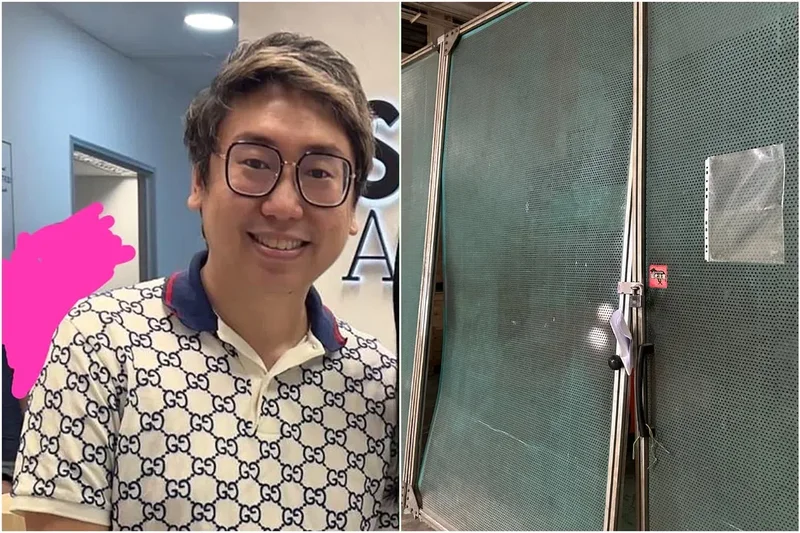
Lim Jian Bin, who is also known by his online moniker Takeshi Lim, met potential investors decked in branded clothes with a luxury watch on his wrist, and driving a Lamborghini, and later an Audi R8.
Over a three-year period from 2023, over 40 investors pumped up to $4 million into Nozomii Vending – a business registered in 2022 – with promised returns of 5 per cent to 10 per cent per annum.
Financial adviser Kevin Lin put in $484,300 from 2023, including $291,322 which he had secured through bank loans. The returns were initially prompt.
Lin said they then slowed to a trickle, and eventually stopped.
A flurry of complaints and police reports followed. On July 14, 2026, Lim was declared bankrupt, giving investors like Lin little hope of recovering their funds.
Lim sent a number of investors WhatsApp text messages soon after he was declared bankrupt, which The Straits Times saw.
He said he had faced harassment and business sabotage in the run-up to the business failure.
To one of the investors, Lim said: “I apologise for all the trouble, pain and loss that you had to go through because of my failure. I’m ashamed and guilty at the same time facing you.”
Lin, 43, said messages like that give him little comfort. He still has $196,000 in the business.
Police confirmed they had received a number of reports, and added that investigations are ongoing.
Lin was confident of the vending business. Singapore’s high foot traffic areas and tech-savvy population have made them a viable business option for many.
After the first food vending machine cafe, VendCafe, was launched in Anchorvale in August 2016, they popped up everywhere. Estimates are that there are currently more than 100,000 vending machines in Singapore selling everything from bouquets to bread.
According to data analytics firm Euromonitor International, Singapore recorded $117 million in vending machine sales in 2024, up from $100 million in 2019.
The figure was projected to reach $124 million by end-2025.
The machines offer affordability, quality, convenience and freshness, and various trade publications say they allow investors a way to navigate around the manpower and rental woes plaguing traditional food and beverage businesses.
Joseph Escobedo, an adjunct lecturer with the NUS Business School, wrote in a 2025 article published by the school that vending machines are cost-effective for testing new markets or maintaining a presence in high-traffic areas.
“There are no staff to schedule, no point-of-sale systems to maintain and no need to lock up at the end of the day. A single machine in a busy location can generate steady revenue with minimal manpower.”
Promised returns
Lin became aware of Lim through mutual connections in Facebook communities, and later arranged to meet him.
According to the contract he signed with Nozomii Vending, Lin would receive 10 per cent returns per annum over four years for investing in the firm.
Separately, Lim allegedly dangled another business – industrial property investments with 5 per cent interest per annum for three years.
Lin said he was tentative at first. In 2023, he started with a $100,000 investment in an industrial property in Ang Mo Kio.
By August 2024, he had borrowed $291,322 and signed four loan agreements with Nozomii Vending.
Said Lin: “I felt that the risks were low because he (Lim) seemed to be a good guy, and a family man with five kids. And this is Singapore, where can you run?”
For over two years, Lin received his monthly dividends on time until February 2026, when the first serious repayment shortfall occurred.
Lin was paid approximately $3,500, half of the agreed monthly dividend payment. In March, monthly dividend payments continued but not without constant reminders to Lim.
By July 2026, Lim was uncontactable.
Lin then learnt there were others like him. That number grew to more than 40 investors.
Yap, 36, said he was Lim’s polytechnic classmate, and was a mathematics and science tutor to one of Lim’s children.
Yap, who wants to be identified only by his surname, said he had invested $100,000 in Lim’s vending machine business. He claimed he handed over another $150,000 as a personal loan, which Lim said he would repay within a month.
In January 2026, Lim told Yap he needed time to sort out his finances and sell his industrial properties before repaying investors.
Said Yap: “So I gave him (Lim) until June 2026, but he went quiet.”
Another investor, a 46-year-old contractor who declined to be named, said he put in a total of $190,000 from 2022 and is today still owed $120,600.
Checks by The Straits Times showed at least 40-plus investors had lost up to $4 million through similar investment arrangements with Lim and Nozomii Vending.
Said the contractor: “Lim placed a vending machine outside my workshop for promotional purposes. But out of the five months it was there, the machine worked for only three days. I told him to take it back.”
Lin has compiled a list of a dozen aggrieved investors.
He said: “Many people who lose money stay silent because they feel embarrassed. They hope patience will solve the problem, or believe there is nothing they can do... Eventually I realised that waiting was not a strategy.
“Seeking help, documenting the situation and taking action changed the course of my own case.”
Lin sought the help of JMS Rogers, a debt recovery agency that helped recover $100,000 for Lin just before Lim was declared a bankrupt.
Who is Lim Jian Bin?
Checks on corporate intelligence platform Sayari showed that Lim is a shareholder of eight businesses dealing in vending machines, health supplements, management consultancy services and machinery rental.
When ST visited Nozomii Vending, which is located on the second floor of a commercial building in Admiralty, the front door was locked. A document left at the gate stated Lim and another individual connected to his business owed creditors $50,000. Workers next door said the unit has been unoccupied for about a month.
Reshmi Khurana, an expert in strategic consulting and corporate investigations, said potential investors must exercise stringent due diligence on companies.
“It has to go beyond just surface-level due diligence of what car is someone driving, not just based on what you can see, but have a more investigative mindset when you’re doing due diligence.
“Look at their track record. Look at who their advisers are. What have they done before? And really ask deep questions,“ said Reshmi, a partner and managing director and Singapore country leader at AlixPartners.
Lawyers said once a bankruptcy order is made – whether applied for by a creditor or voluntarily by the debtor – a statutory moratorium kicks in. At this point, no individual creditor can continue legal action to enforce a judgment. Only the official assignee or a private trustee can take control of all the debtor’s assets.
ST has tried to contact Lim but has not been able to get a response.