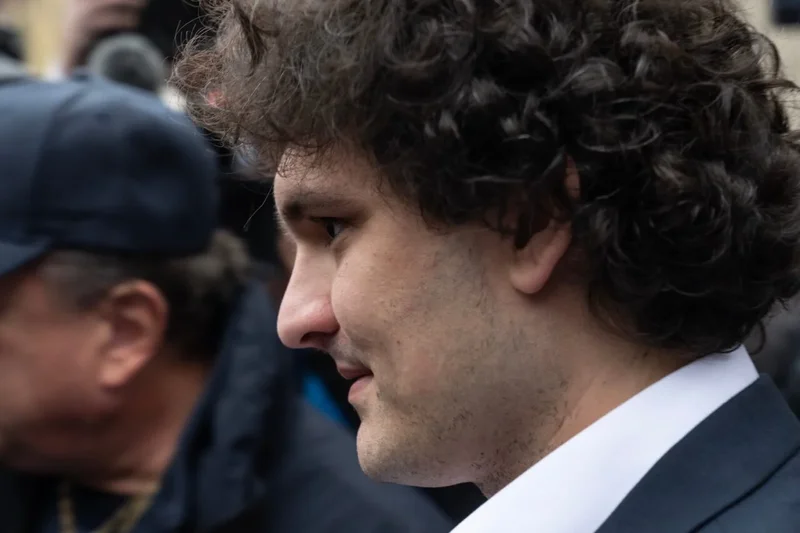
The downfall of the worldâs most famous adherent of the Effective Altruism (EA) movement, FTX co-founder Sam Bankman-Fried, was a cataclysmic astroid strike, dismantling one of Effective Altruismâs leading institutions and leaving the movement in ruins. After Bankman-Friedâs 2023 fraud conviction , and his broader heel turn, itâs become common to see people speak about effective altruism in the past tense, as if itâs a dead religion or a fad that simply ran its course.
But a new article in the Financial Times makes the case that, thanks to some well placed AI investment dollars, EA is back.
Effective Altruists are basically high earners who make it their goalâor at least their overall rationalizationâto earn a ton of money so they can funnel it to charities and other causes calculated to deliver what they perceive to be the greatest good for the world. This can mean saving the greatest possible number of vulnerably human lives, or, according to the Stanford EA Manifesto, having a positive impact on the future (again, theoretically) by, say, predicting pandemics or, as you might expect, by making AI safer. The manifesto credits EA with taking AI safety âfrom a fringe academic concern to mainstream research priority at every major lab.â
As the FT notes, the overlap between AI and EA has only grown lately. It found that âmore than 60â Anthropic employees past and present have signed onto the 10% Pledge from the organization Giving What We Can, which involves a tithing-like 10% donation scheme. It also notes that the companyâs seven founders have all pledged to give away 80% of their fortunes. FT also claims there are well-placed EA adherents at âother fast-growing Silicon Valley groups such as OpenAI.â
Consequently, the EA world is attracting, according to FT, ârecord levels of funding.â Giving What We Can apparently climbed from $1.2 billion in donations in 2024 to about $2 billion in 2025. The CEO of Giving What We Can, Sjir Hoeijmakers told the FT his organization experienced â a hit from FTX,â and âa drop in general enthusiasmâ but has âmore than recovered from that by now.â
Anthropicâs ties to EA appear to run deep. One of its co-founderâs, Daniela Amodei, is married to Holden Karnofsky, described by the New York Times as âone of the founders of the effective altruist movement.â
As noted last month by Wired, analysts have crunched the numbers on what philanthropy-heavy Anthropicâs expected IPO might mean for future donations. They expect an increase of $15 billion per yearâa 2.5% increase in total U.S. givingâjust from one company.