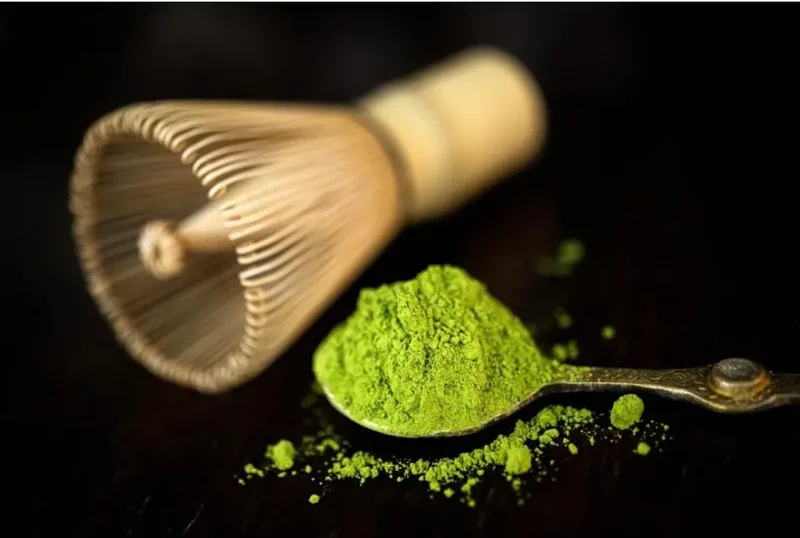
Matcha is booming in the U.S. Consumers are increasingly willing to pay $5 to $8.50 for a Matcha drink. The trend is also showing up in Japan’s export data: the export value of Japanese tea reached a record 72.1 billion yen ($452 million) in 2025, up 98% from the previous year. The U.S. accounted for 35% of those exports, with Matcha making up 85% of the Japanese tea exported to the U.S.
The question is: Are Americans ready to taste Matcha as tea—not just as an ingredient?
In the U.S., Matcha is often consumed as a sweetened iced or hot latte made with dairy or plant-based milks such as oat and almond. Matcha also appears in smoothies and other beverages. These formats have helped make Matcha approachable to American consumers, while its vivid green color has made it particularly well suited to social media.
This format of making an unfamiliar product into a familiar one can be seen in the evolution of sushi in the U.S.
California rolls and other American-adapted sushi helped introduce Japanese cuisine to a much wider American audience. Today, sushi is firmly established in the American dining landscape, while traditional Edomae-style sushi has also developed a devoted following.
Could Matcha follow a similar path from an American-style introduction to a deeper appreciation of the original Japanese product?
From Matcha Lattes To Matcha As Tea
In a Matcha latte, Matcha is combined with milk and often sugar, making it part of a larger flavor profile. One traditional way to experience Matcha is to whisk the powder with hot water and drink it on its own.
Whisked with hot water, Matcha develops a velvety, foamy texture and can reveal layers of vegetal freshness, natural sweetness, savory umami and gentle bitterness. The flavor profile varies considerably depending on factors such as cultivar, growing region, production methods and preparation. Some of those nuances can be harder to perceive when Matcha is combined with milk and sugar.
Preparing Matcha is relatively simple, but the experience may be unfamiliar to consumers accustomed to sweetened Matcha beverages. That creates an opportunity for education—not only to introduce consumers to traditional preparation, but also to help them understand the differences in cultivars, origins and quality.
Across the U.S., a growing number of specialty tea businesses are offering consumers opportunities to experience Matcha beyond the latte. New York-based Sorate and Kettl, for example, have built businesses around Japanese tea and tea culture.
Matchaful offers another example of this emerging education-focused approach. It launched Ritual Bar in Williamsburg, Brooklyn, in August 2026. The eight-seat space is designed to introduce customers to Japanese tea culture through guided tastings, workshops and classes. Guests can participate in Matcha flights and hands-on whisking sessions, either through scheduled classes or walk-in experiences.
Matchaful founder Hannah Habes has worked closely with a tea farm in Japan since 2012 and visits the farm regularly to maintain a direct relationship with its growers and production.
“Great Matcha has a distinctive taste and flavor that reflects the craftsmanship of the tea farm. We want our guests to develop a deeper understanding of Matcha culture,” she says.
At one guided tasting, a flight of organic Matcha demonstrated how different cultivars can produce distinctly different experiences. Okumidori, a cultivar often associated with lower bitterness, offered mellow umami and a rich depth of flavor, along with a vibrant green color and an aroma reminiscent of fresh leafy greens. Tsuyuhikari showcased a different profile, with subtle sweetness and flavors reminiscent of snap pea and cashew.
The tasting was also designed as an educational experience, allowing guests to ask about cultivars, processing methods and regional differences in Japanese tea culture. For consumers accustomed to Matcha primarily as a latte flavor, such experiences can provide a way to understand the product on its own terms.
Matcha's growth, however, has been driven in part by aesthetics, social media and its positioning as a wellness-oriented lifestyle beverage. The bigger question is whether that consumer interest can extend beyond the latte and whether education can create demand for higher-quality Matcha consumed as tea.
Habes believes it will. “The pandemic seems to have triggered consumer interest in Matcha powder and our sales have been strong ever since. More people now drink it at home like a coffee ritual for its taste and health benefits. I think they are also becoming more curious about the tea itself.”
Major chains such as Starbucks and numerous independent coffee shops serve Matcha beverages, while dedicated Matcha bars have emerged in cities including New York and Los Angeles.
For Matcha businesses, education could become more than a way to teach consumers how to whisk tea. It could become a way to differentiate products, justify premium prices and deepen consumer interest in the farms, cultivars and craftsmanship behind the powder.
The Matcha latte may ultimately play the same role that the California roll played for sushi: an accessible introduction to something unfamiliar. Whether today's latte drinkers become tomorrow's Matcha enthusiasts will depend on whether the industry can turn curiosity into appreciation.
That is the next stage of the Matcha boom and potentially the bigger business opportunity.