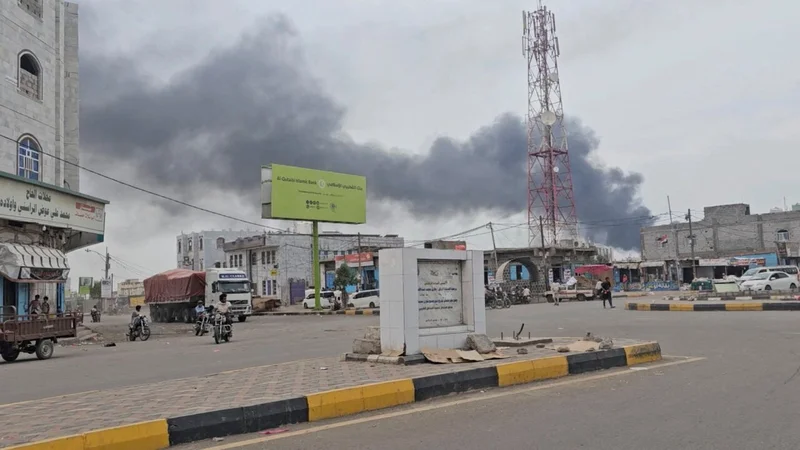
Yemen strikes Saudi-linked mercenary concentrations in Mokha
TEHRAN — The Yemeni Armed Forces have shattered the illusion of a frozen conflict by unleashing a devastating wave of ballistic missiles and drones against Saudi-affiliated military concentrations across Mokha and Marib.
Military spokesman Brigadier General Yahya Saree said in a statement on Saturday that precise strikes wiped out weapons depots, command facilities, and proxy warboats, leaving dozens of mercenary fighters dead under the relentless barrage.
Saree delivered a warning that the army will vaporize any Saudi military buildup designed to threaten Yemeni soil or further the brutal twelve-year aggression.
The strikes brought the strategic Mokha port to a grinding halt. Port director Abdulmalik al-Sharabi announced the suspension of commercial and maritime operations after 25 missiles hit the facility.
He recorded seven deaths and estimated material losses at 16 million dollars, noting that the bombardment heavily damaged infrastructure, wooden vessels, and an excavation dredger while leaving 1,300 workers without livelihoods overnight.
Riyadh transformed the port into a forward operating base to arm its coastal proxies and maintain its suffocating economic blockade, while Sanaa neutralized a military staging ground.
Saba News Agency, citing a military source, reported that coordinated operations targeted Saudi-backed force concentrations and weapons depots in Mokha and Marib, including the Tadawin camp, with the strikes reportedly inflicting casualties among the targeted forces.
These military offensives operate within a retaliatory framework following Sanaa’s July 20 declaration of a total maritime embargo against Saudi Arabia.
Enforcing a strict blockade-for-blockade policy, Yemeni forces immediately targeted Saudi-linked vessels and launched a drone strike that hit the Aramco refinery in Jizan, forcing the facility to shut down.
Ansarullah political bureau member Mohammed al-Farah has argued in a recent interview that Riyadh avoids a direct ground confrontation because Yemeni missiles and drones could threaten Aramco facilities, ports and other vital infrastructure.
He says Saudi Arabia instead relies on Yemeni partner forces as a shield while coordinating its major decisions with Washington. This assessment highlights Riyadh’s dilemma: contain Sana’a without reopening a war that previously failed to restore a Saudi-aligned regime.
Riyadh subsequently scrambled to form a 15-nation maritime defense coalition to protect its shipping routes, while international bodies like the United Nations raised alarms over a potential return to all-out war.
Yet Sanaa continues to act from a position of strength. While Western governments pretend that the Saudi-backed council, fabricated inside a Riyadh hotel, represents the nation, Ansarullah governs the vast majority of the population, manages the capital, and commands the national armed forces.
The United Nations has expressed concern over the escalating situation. UN Special Envoy Hans Grundberg warned the Security Council on August 13 that “Yemen today faces a more serious risk of return to large-scale conflict than at any point since the 2022 UN-mediated truce.”
“Four years of calm can be lost in a few weeks of escalation,” he warned.