Meningococcal vaccine eligibility criteria too narrow - advocate
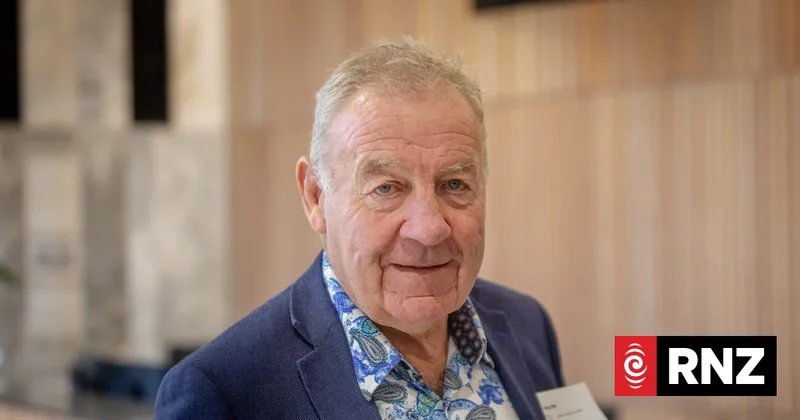
A meningitis awareness advocate says access to free meningococcal B vaccines should be widened to include young people eligible for a Community Services Card.
Health NZ has urged people to be aware of the signs of meningococcal disease after a young adult died in Waikato.
Health NZ Waikato medical officer of health Dr Kate Meerker said vaccination protected against the disease.
The meningococcal B vaccine is free for babies and children under five, and some eligible people between the age of 13 and 25.
But Meningitis Foundation Aotearoa chair Gerard Rushton said the eligibility criteria for young people was too narrow.
Young people aged 13 to 25-years-old fit the criteria if they were in their first year of a specific close-living situation, including boarding school hostels, tertiary halls of residence, military barracks, youth justice facilities and prisons.
Rushton said the foundation questioned why the criteria singled out those in boarding schools and halls of residence, when all young people in classrooms were at risk because they socialise together.
"The present criteria for adolescents is far too narrow with being limited to those that can afford to go to boarding school or first year halls of residence.
"One of our high-risk groups is our Māori and Pasifika community, who are under-represented in halls of residence and boarding schools."
Rushton said protection needed to be targeted to those households that needed it the most, and the criteria should include young people who were eligible for a community services card.
Meningococcal disease can affect anyone, but was more common in young children, teenagers and young adults, Meerkerk said.
She said the National Public Health Service has identified close contacts of the person who has died, and offered treatment and support.
Public health officials have determined there is no ongoing risk to the wider public, Meerkerk said.
"Our prayers and thoughts go out to the family of this young person," said Rushton, who has campaigned for greater awareness around meningococcal disease and meningitis since losing his daughter Courtenay to meningitis in 2014.
"It's traumatic, and it's even more traumatic for us knowing that this death is actually preventable by a simple vaccine, and this vaccine programme we've been advocating for the last four or five years."
Meningococcal disease is a serious bacterial infection that can cause meningitis (infection around the brain), and septicaemia (blood poisoning).
Although uncommon, it can become life-threatening very quickly, making early recognition and treatment critical, Meerkerk said.
"It is important that people know the symptoms and seek medical attention early if they are concerned."
Symptoms can include fever, headache, stiff neck, sensitivity to light and confusion. The first symptoms of meningococcal disease may seem like the flu or a cold. However, the symptoms will usually get worse quickly with some people suddenly becoming very unwell, sometimes in just a few hours.
In Victoria, Australia, Year 10 students will have access to free vaccinations for meningococcal B from January 2027.
South Australia, Northern Territory, and Queensland already provide free meningococcal B vaccination for teenagers.