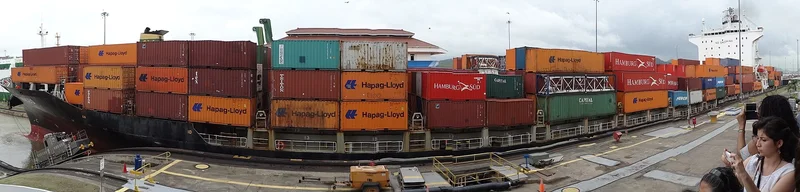
Panama Canal Draft Limits Cut Again in 2026 – What It Means for You
Panama · Shipping
Key Facts
- Canal birthday:The Panama Canal turned 112 on 15 August 2026, having opened in 1914.
- Draft cuts:Max draft drops to 48.0 feet on 26 August and 47.5 feet on 3 September 2026.
- Phased steps:Limits fell from 50 ft to 49.5, 49.0, 48.5, 48.0, and now 47.5 ft since July.
- Traffic rising:Transits hit 10,726 in the first nine months of fiscal 2026, up 5.2% year on year.
- Profit up 19%:Cargo tonnage climbed about 7%, and profit rose roughly 19% over the same period.
- Lake level healthy:Gatun Lake sat at about 84 feet in late July 2026, roughly five feet higher than in 2023.
- El Nino driver:The 5 August advisory cites current and projected Gatun Lake levels; a forecast El Nino is the wider driver behind the ACP’s water-saving stance.
The Panama Canal is cutting its draft limits again in August and September 2026 as a precaution against a forecast El Nino. Here’s what the new numbers mean for shipping costs and why Latin American exporters should watch closely.
The Panama Canal draft limits tightened again on 15 August 2026—the waterway’s 112th birthday—as the maximum depth for big ships stepped down to 48.5 feet under a phased plan. The newest cuts—to 48.0 feet on 26 August and 47.5 feet on 3 September—were announced on 5 August, even as canal traffic and profits boom.
The Canal’s Busy, Profitable Year
In the first nine months of fiscal 2026 (October 2025 to June 2026), the canal handled 10,726 transits—about 35 ships per day. That’s up 5.2% from 10,191 in the same period a year earlier.
Canal profit rose about 19%, and cargo tonnage climbed about 7% year on year. Normal healthy operation is roughly 36-38 ships per day, so you can see the canal is running close to full capacity.
This boom has been driven by strong demand for moving goods between Asia and the US East Coast, as well as growing exports from Latin American countries like Brazil, Chile, and Peru. The canal’s strategic importance in global trade is undeniable, especially for the region’s agricultural and energy exports.
The New Draft Cuts, Step by Step
Here’s a quick refresher: draft is the maximum depth a loaded ship can sit in the water. A lower draft limit means ships must carry less cargo to float higher, which raises shipping costs per ton.
The canal authority (ACP) announced on 5 August 2026 that it will cut the maximum draft in the big Neopanamax locks further. Effective 26 August, the limit drops to 48.0 feet (14.63 meters), and on 3 September it drops again to 47.5 feet (14.48 meters), until further notice.
These are the newest steps in a phased 2026 sequence: 50 feet (the normal design max) down to 49.5 on 3 July, then 49.0 on 24 July, 48.5 on 15 August (the anniversary), 48.0 on 26 August, and 47.5 on 3 September. The July step came via ACP Advisory, and the August steps are confirmed by an official notice and Reuters.
It’s worth noting that the step on 15 August was not a new announcement but a pre-planned reduction. The ACP set this schedule well in advance, giving shippers time to adjust their loads and schedules accordingly.
Why the Tightening? It’s About Water
The canal’s locks run on fresh water from Gatun Lake, a rain-fed reservoir. The 5 August advisory itself points to current and projected Gatun Lake levels—while the ACP’s wider caution reflects a forecast El Nino that could bring below-average rainfall to the watershed.
So the canal is conserving water now, even though Gatun Lake measured about 84 feet above sea level in late July 2026—roughly five feet higher than the same date in 2023. The canal also trimmed daily crossing slots from 36 to 34 in late July and suspended some short-notice slot auctions.
The idea is to bank water now, so if the El Nino hits hard, the canal can still operate without more severe restrictions. This proactive approach contrasts with the reactive measures seen during the 2023-24 drought.
Also, the ACP has been investing in water-saving measures, such as water recycling basins in the new locks, but these don’t eliminate the need for fresh water entirely. The reservoir is still the backbone of the system.
Not a Repeat of the 2023-24 Crisis
You might remember the 2023-24 El Nino drought, when Gatun Lake fell to about 79.6 feet in August 2023, its lowest in decades. Back then, the canal slashed daily transits from the normal ~36 down to 24 per day, and reports had lows near 18 per day by February 2024—a one-third cut.
Draft was also cut far more severely, toward the mid-40s in feet. So the 2026 tightening is a milder, precautionary step: a couple of feet of draft and a small slot trim, not the deep rationing of 2023-24.
That previous crisis caused massive shipping delays, with queues of vessels waiting for days or weeks. This time, the canal is acting early, and the milder measures reflect both a healthier starting lake level and a more cautious but less drastic approach.
The 2023-24 event also saw record auction prices for passage slots, with one slot going for nearly $4 million. So far, no such extreme measures are in place for 2026, indicating a much more controlled situation.
Why You Should Care
If you’re investing in or trading with Latin America, the Panama Canal is a lifeline. Brazil, Chile, and Peru exporters use it for goods heading to Asia and the US East Coast—grains, copper, fruit, LNG and LPG.
Lower draft means ships load lighter, which raises shipping costs per ton and can lead to surcharges. But the milder 2026 restriction means far less disruption than 2023-24, when one slot once auctioned for a record ~$4 million.
For investors, watch for potential increases in shipping freight rates, which could affect commodity prices and company margins. For exporters, it’s wise to plan for slightly higher logistics costs in the coming weeks, but the impact should be manageable given the modest nature of the cuts.
Also, keep an eye on ACP advisories for any further changes, as the situation could evolve depending on rainfall and El Nino intensity. Being informed is your best defense in these uncertain times.
What Happens Next
After 3 September, the draft limit will hold at 47.5 feet until further notice, unless the ACP sees a need to tighten further. The decision will depend on daily lake levels and the El Nino forecast.
The ACP will likely continue to monitor Gatun Lake closely and could issue additional advisories if the drought intensifies. Shippers and traders should stay alert and flexible, as the situation can change with little warning.
For now, the new limits are a precaution, not a crisis. But the coming months will reveal just how strong this El Nino becomes, and whether the canal’s proactive steps will be enough to avoid a repeat of history.
Frequently Asked Questions
What does a draft limit mean for shipping?
Draft is how deep a ship sits in the water. A lower limit forces ships to carry less cargo, so they float higher. That increases the cost per ton of cargo and can lead to higher shipping rates.
When are the new draft limits effective?
The maximum draft drops to 48.0 feet on 26 August 2026, and then to 47.5 feet on 3 September 2026, until further notice.
Why is the Panama Canal cutting draft limits if the lake is higher than in 2023?
The canal is being cautious because forecasters expect a potentially record-strength El Nino that could bring below-average rain. They’d rather conserve water now than risk a crisis later.
How does this compare to the 2023-24 drought?
It’s much milder. In 2023-24, daily transits were cut to as low as 18-24 per day, and draft limits went down to the mid-40s. Now, slots only dropped from 36 to 34, and draft limits are around 47-48 feet.
Connected Coverage
Sources: Panama Canal Announces New Draft Adjustments for Neopanamax Locks; Panama Canal again tightens draft limits as water levels under pressure; Panama Canal lowers draft limits; Panama Canal imposes initial crossing restrictions; Panama Canal profit rises 19% as severe El Nino risk looms; Panama Canal Draft Restrictions 2026: What Shipowners Need to Know
This article was produced by The Rio Times’ automated newsroom system. How we use AI · Report an error