Researchers have welcomed a new antimalarial compound as "an exciting step forward" in the global fight against the disease.
Discovered by a team at the University of Dundee, the molecule has the potential to streamline dosing schedules for both prevention and treatment.
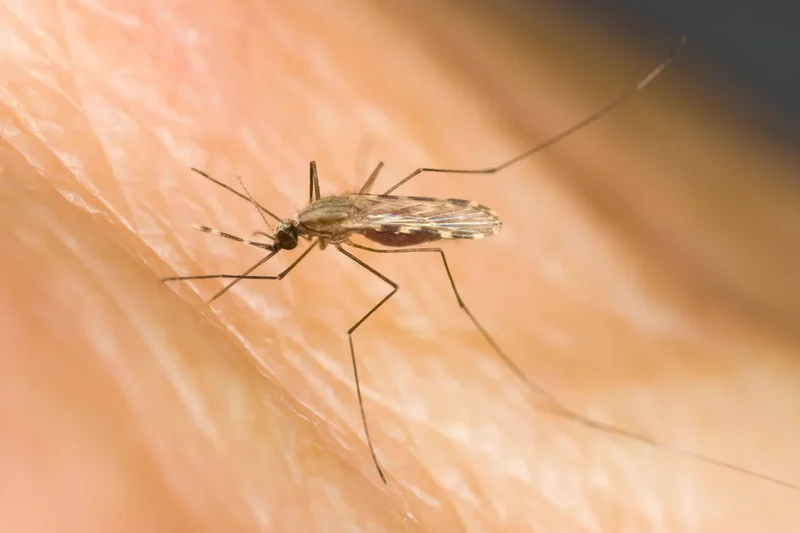
Malaria is a severe mosquito-borne illness that mostly affects people living in tropical countries.
Global statistics from 2024 show an estimated 282 million malaria cases and 610,000 deaths, with numbers escalating partly due to increasing resistance to current drugs.
The compound, called cabamiquine, is described as a "novel drug-like molecule" that can be administered in a single dose.
Early-stage trial results showed that when combined with the existing drug pyronaridine, the treatment proved effective and demonstrated a favourable safety profile in adults and teenagers.
The findings support further testing of the combined therapy in larger trials and among paediatric patients.
Dr Beatriz Baragana, a member of the Dundee University team that discovered cabamiquine, said: "This is an exciting step forward for a compound which has great potential to simplify dosing regimens for malaria, a disease which causes hundreds of thousands of deaths every year.
"All of the initial work that ultimately resulted in the discovery of cabamiquine was performed here in Dundee, with support and funding from Medicines for Malaria Venture (MMV).
"We are delighted to see how the compound, when administered with pyronaridine, is progressing into a potential malaria medicine, giving hope to the millions of people affected by malaria every year."
Professor Ian Gilbert is head of the University of Dundee’s drug discovery unit, which spearheaded the breakthrough.
The division collaborates with scientific partners to turn biological research into candidate drugs addressing unmet medical needs.
Prof Gilbert said: "The benefits of this compound are not only that it looks to be effective, with a good benefit/risk profile, but it can also be delivered in a single dose, which is an important factor when you are treating a disease that occurs commonly in areas where consistent delivery of healthcare can be challenging."
Following scientific and financial support from MMV, the organisation now plans to progress cabamiquine-pyronaridine into further development.
Paul Willis, vice president of drug discovery and preclinical safety at MMV, said: "Novel treatment and prevention regimens are urgently needed with simplified dosing to enable effective case management and to support long-term malaria control and elimination goals."
The study's findings were published in The Lancet Infectious Diseases.
Conducted by pharmaceutical firm Merck as part of the PAMAfrica consortium, the trial was co-funded by the EDCTP2 Programme, with support from the European Union and the Swedish International Development Co-operation Agency.