"Men are more often perceived as representatives of out-groups in different contexts. If out-groups are viewed as threatening, uncivilised or morally inferior to the in-group, these perceptions are stronger for men than for women," sociologist Magnus Bygren said in a press release.
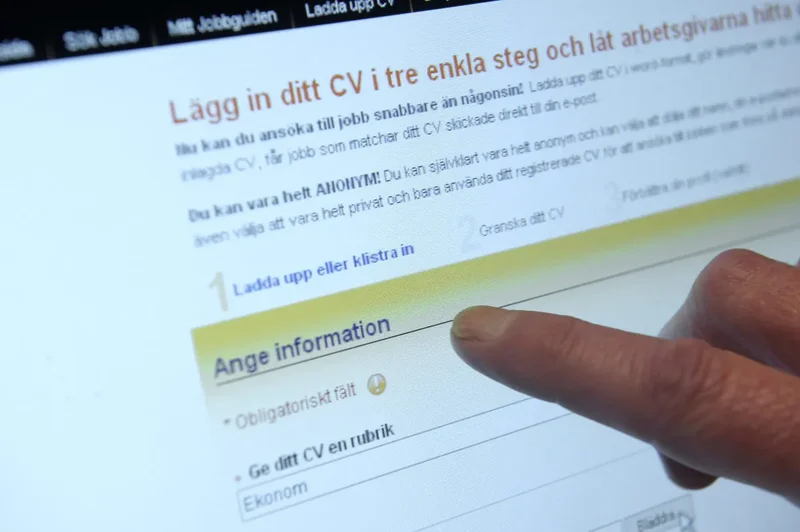
Together with his colleague Moa Bursell, he sent out more than 7,000 fictional job applications for 15 different types of jobs advertised on the Swedish Public Employment Service's jobs board, Platsbanken.
Some of the applications were given names from the former Yugoslavia or Arabic names from the Middle East, while the rest carried typical Swedish names.
The study found that in sectors where many foreign-born people already work, surnames did not affect response rates. Cleaning and driving jobs saw no difference at all observed between foreign and Swedish names on applications.
However, for roles such as teachers, preschool teachers and IT technicians, surnames seemed to play a larger role in whether employers would get back to candidates to arrange a job interview or request further information.
In some cases, it may be a conscious policy on the employer's part, but it often comes down to people simply preferring what they are used to, Bygren believes.
So what should you do if you have a non-Swedish-sounding surname and are looking for work?
"You should remember that even if you have a so-called 'wrong' name, you can still get a bite if you just keep applying. It's not impossible. The probability is lower, but it isn't zero," he told the TT newswire.
Bygren emphasised that discrimination is strongest at the initial stage, during first contact.
"If you just manage to get a foot in the door or land that first meeting, the discrimination decreases," he said.
Data for the study was collected between 2013 and 2018, but he is convinced it reflects the situation today.
"It's important to be aware that these patterns exist, both for people with an immigrant background and on the employer side. People can consciously try not to act on these patterns," he told TT.
What's your experience of discrimination when applying for jobs in Sweden? We'd love to hear your story in the comments.