Embrace Mediterranean plants like olive trees and never water in the afternoon: Experts reveal how to keep your garden flourishing in a drought
- READ MORE: Is your garden dull and dry? Expert reveals how to look after your lawn, flower beds and plants during the summer heatwaves - as UK's new hosepipe ban kicks in
- See more Daily Mail on Google - save us as a Preferred Source
Daily Mail journalists select and curate the products that feature on our site. If you make a purchase via links on this page we will earn commission - learn more
After weeks of relentless heat, long dry spells and plenty of sunshine, the UK is finally getting some much-needed relief from a summer of back-to-back heatwaves.
Temperatures are set to drop from the 30s to the mid-20s in many parts of the country this week, with showers and the chance of thunderstorms bringing cooler, wetter weather.
Parts of Kent, Essex and Sussex have already seen some light or patchy rain overnight, offering a welcome break after all three counties were officially declared to be in drought on July 29.
But experts warn that a little rain won’t be enough to undo months of dry weather.
For green-fingered homeowners who have watched their lawns turn straw-coloured and plants struggle in the heat, the cooler weather means it's finally time to start giving their gardens some TLC.
From bringing scorched lawns back to life and repairing sun-damaged wood, to improving soil so it holds on to more moisture, the Daily Mail has rallied a host of gardening experts to share their top tips for helping gardens recover from the heat.
And with extreme weather becoming more common, experts say it could even be time to take a few lessons from Mediterranean gardens as we look ahead to 2027.
Fed up with battling Mother Nature? Read on to discover how to get one step ahead and future-proof your garden from increasingly unpredictable weather - and how to help it recover now...
A host of gardening experts have shared their top tips for helping gardens recover from the summer heat
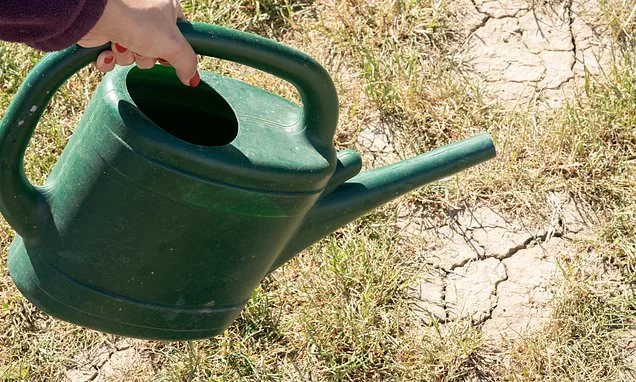
Water smarter - even with hosepipe restrictions!
With hosepipe bans and water restrictions in place across much of the country, gardeners need to be a little more clever about how they keep lawns alive.
Cheryl Harper, Managing Director of Greensleeves Lawn Care, said: 'Make the most of rainwater and greywater: tap into water butts or reuse leftover household water (like cooled bathwater or washing-up water, provided it doesn’t have harsh chemicals).'
She advises to water in the early morning or late evening to avoid losing up to 40 per cent to evaporation, and focus on the driest or most heavily used areas rather than soaking the whole lawn.
For brown, dormant grass, Jonathan Davis, grass expert at Lawnsmith, says there is no need to panic, but watering should be the priority.
He encouraged: 'Infrequent, deep watering is more effective than a light sprinkle every day. Aim for a deep soak two or three times a week.
Although he says 'most lawns will show signs of green regrowth within 10 to 14 days of consistent rainfall or watering', full recovery can take two to four weeks depending on how badly the grass has been stressed.
Add mulch to soil
One of the easiest ways to help a garden hold on to moisture is by giving the soil a good layer of mulch.
Andy Simms, of MyBuilder.com, said: 'One job gardeners can do is add around two or three inches of mulch to your soil, which will help keep your garden damp during drier periods.'
David Denyer, florist and gardening expert at Eflorist, also recommends adding a 5-8cm layer of organic material such as compost, bark chippings, well-rotted manure or leaf mould to reduce evaporation and regulate soil temperature.
'It also suppresses weeds, which would be competing with your plants for precious moisture', he added.
Andy also suggests planting drought-tolerant options such as lavender and camomile, as well as using water butts to collect rainwater for plants and lawns during hosepipe bans.
Give soil a little breathing room
After a long, dry summer, soil can become hard and compacted, making it difficult for water to reach the roots where it is needed.
Cheryl Harper of Greensleeves Lawn Care recommends giving particularly dry patches a helping hand with a garden fork.
'Take a garden fork and gently push holes into the ground across dry, compacted patches,' she said.
The simple trick creates channels for water and air to travel deeper into the soil, rather than allowing water to sit on the surface or run off.
It can also be particularly useful after a spell of heavy rain following weeks of drought, helping the water actually reach thirsty roots - just take care not to dig too aggressively around established plants, where you could damage their roots.
Raise your lawnmower blades
Resist the urge to give a tired, brown lawn a close crop, as cutting heat-stressed grass too short can strip away what little moisture it has left.
Cheryl said: 'Set your mower to its highest setting or take a little break from mowing altogether until you see healthy green shoots returning.'
If you do need to mow, avoid removing too much of the grass in one go and make sure your mower blades are sharp to prevent unnecessary damage.
It is also worth leaving fine grass clippings on the lawn rather than collecting them up.
The clippings can act as a natural mulch, helping shade the soil and slow down moisture loss. Once your lawn starts recovering, regular but gentle mowing will help keep it healthy without putting it under extra stress.
Restore heat-damaged decking
It is not just lawns and plants that have suffered in the sunshine, with wooden decking and garden furniture also taking a beating from months of UV exposure.
Jimmy Englezos, Ronseal's DIY expert and Senior Brand Manager, said: 'One of the most notable signs is a significant colour change or dull-coloured panels or boards.'
He explained that UV rays break down pigments in the wood, while sun exposure can weaken its natural oils and resins, leaving timber more brittle and prone to splintering and cracking.
To revive it, start by removing moss, mould, algae and dirt with a stiff brush, before working decking restorer into a few boards at a time and scrubbing well.
Jimmy recommends leaving the solution for around 15 minutes before re-scrubbing and rinsing, then allowing the wood to dry completely - usually around two days - before applying oils, stains or paint.
Collect rainwater
Installing a water butt is one of the best long-term investments for any garden, allowing you to collect and store rainwater for use during dry spells.
Jo McGarry, a leading luxury garden design expert at Caragh Nurseries, said: 'Collecting rainwater gives gardeners an extra supply to use on lawns, flower beds and plants when the weather turns dry.
'Adding compost or other organic matter to the soil can also help it hold water for longer, meaning less moisture is lost between watering.'
Feed as soon as conditions allow
Kate Turner, Gardening Guru at Miracle-Gro, said: 'Firstly, it’s important to note that until rain falls properly, there is little you can do in terms of gardening during a drought, as many lawn feeds will scorch grass above 25 degree heat, not to mention much of the nation is under a hosepipe ban.
Instead, she advises to feed your lawn when rain returns.
Apply a granular fertiliser after good rainfall to help grass recover for autumn and build strong roots before winter, and use a liquid feed with a watering can or sprayer if rain is light. This protects dry grass from burning while feeding the roots.
Overseed patchy areas after rain
Kate said: 'Once the ground has taken on moisture, oversow thin or bare patches to thicken the lawn back up, and use a dedicated repair product such as Patch Magic on the worst-affected areas.
She further warned: 'This step only works with the promise of further rain to come, and so refrain from doing this if showers are proving sporadic, as sowing into dry soil is a waste of seed.'
Adopt Mediterranean gardening methods
If this summer has taught gardeners anything, it is that planning for hotter, drier weather could be worth doing now rather than waiting for the next heatwave.
Andy Simms of MyBuilder.com suggests adopting a more 'Mediterranean' approach, focusing on water-saving techniques and plants that can cope with plenty of sunshine.
'Olive trees, for example, are surging in popularity in the UK due to their ability to thrive in the sun,' he said, with mastic, pink rockrose and deadly carrot also able to cope with high temperatures.
David Denyer of Eflorist believes this could be one of the biggest lessons for gardeners heading into 2027.
He said: 'We’ll need to become more comfortable taking inspiration from Mediterranean gardening.'
He recommends options including lavender, rosemary, salvias, sedums, agapanthus, verbena and yucca, which can all cope well with dry conditions while still bringing plenty of colour and interest to a garden.