5 Unforgettable Things to Do in Yucatán, Mexico
Mexico · Travel
A newcomer’s practical shortlist: what each experience costs in pesos and US$. How to get there from Mérida, and the best time of year to go.
If you are planning a trip and want unforgettable things to do in Yucatán. You have picked one of the easiest and most rewarding corners of Mexico to explore.
This flat, friendly state in the country’s southeast packs ancient Maya pyramids, jaw-dropping swimming holes. Pink flamingo lagoons and a colonial capital into an area you can cover comfortably in a week.
Because everything sits within a couple of hours of Mérida. You can base yourself in one comfortable city and take day trips out.
Here is a practical shortlist of five experiences, with real prices in pesos and US dollars. How to reach each one, and the best time to go.
Why Yucatán Belongs on Your List
Yucatán is the northwestern of the three states on Mexico’s Yucatán Peninsula. And it is a very different animal from the beach-resort strip around Cancún.
Instead of all-inclusive towers, you get UNESCO-listed ruins, freshwater cenotes hidden in the jungle. And a capital city routinely ranked among the safest in Mexico.
That safety matters when you are travelling or thinking of moving here. Mérida, the state capital, has violent-crime rates well below the national average.
So many expats and digital nomads use it as a calm, affordable base. Normal big-city habits still apply, but you can walk the historic center in the evening without much worry.
The other big advantage is distance. Almost every headline sight in this guide sits within roughly one to three hours of Mérida by road.
So you rarely need to move hotels. For that reason, most travellers pick one place to sleep and eat, then fan out on day trips.
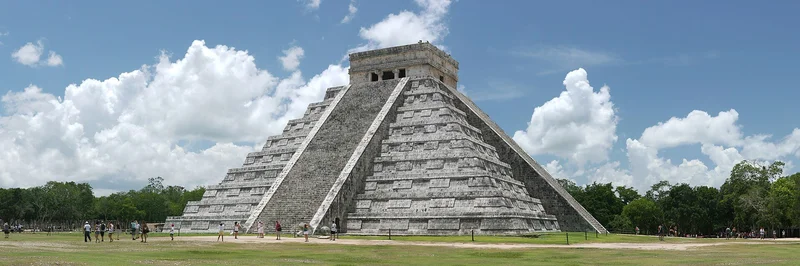
1. Stand Beneath Chichén Itzá
No visit is complete without Chichén Itzá, the vast Maya city crowned by El Castillo. The stepped pyramid also known as the Temple of Kukulcán.
It is one of the New Seven Wonders of the World. And seeing it in person still lands hard even if you have viewed a hundred photos.
In 2026 the foreign adult ticket is about 697 pesos (US$41). Made up of a federal INAH charge of 105 pesos and a Yucatán state fee of 592 pesos.
Children aged 3 to 12 pay around 105 pesos, and residents of Mexico pay a reduced combined rate with ID. The site is open daily from roughly 8:00 to 17:00.
Though the last entry is earlier, so aim to arrive right at opening. Getting there is simple.
The ruins sit about 120 km east of Mérida, a drive of around 90 minutes on the 180D toll road. And ADO and Mayab buses run the route in two to two-and-a-half hours for roughly 100 to 275 pesos each way depending on the class.
A Tren Maya rail stop also serves the area. Because tour buses from Cancún pour in late morning.
Early arrival is by far the best time to beat the crowds and the heat.
2. Swim in a Cenote
The peninsula sits on porous limestone, and over thousands of years the ground collapsed in places to reveal cenotes. Natural freshwater sinkholes that the ancient Maya held sacred.
Swimming in one, with sunlight filtering down through a hole in the roof. Is the single most magical thing many visitors do in Yucatán.
There are thousands of them, but the ones near Valladolid make an easy pairing with a Chichén Itzá day. Ik Kil, a short hop from the ruins, and photogenic Suytun typically charge in the 150 to 250 peso range (about US$9 to US$15) for basic entry.
Sometimes with small extra fees for lockers or life jackets. More developed complexes, such as Hacienda Mucuyché near Mérida.
Run higher at roughly 300 to 450 pesos (US$18 to US$26) because they bundle guided access and services. A few practical notes help.
Bring cash, since card machines are unreliable out in the countryside. And use only biodegradable sunscreen or none at all to protect the water.
Prices do drift during the year, so treat these figures as a guide rather than a promise.
3. Settle Into Mérida
Mérida itself deserves a slot on this list, not just a bed for the night. The Yucatán capital is a graceful colonial city built on an older Maya town.
And its pastel streets, leafy plazas and low crime make it a genuine pleasure to wander. Start at Plaza Grande, the main square, framed by the 16th-century Catedral de San Ildefonso.
The state government palace and the Casa de Montejo. Free cultural events fill the center most nights, from folk-ballet performances to weekend street parties.
And the surrounding restaurants serve the region’s distinctive food, such as cochinita pibil and sopa de lima. For anyone weighing a longer stay, Mérida is one of the reasons Yucatán keeps drawing expats.
Rents and daily costs sit well below Mexico’s beach hotspots. The healthcare is good, and the pace is slow in the best way.
In short, it works equally well as a two-day stop or a place to settle.
4. See the Flamingos of the Coast
Yucatán’s coast hides one of Mexico’s great wildlife shows: thousands of wild pink flamingos wading in shallow lagoons. Two protected reserves make it accessible, and a boat tour through the mangroves is money well spent.
Celestún, about 90 to 100 km west of Mérida (a 1.5-hour drive), is the classic choice. Flamingo boat tours from the pier cost roughly 600 to 1,200 pesos per boat.
Shared among passengers, for a trip of 1.5 to 2.5 hours. The birds gather here in the largest numbers from November through March, with December and February the surest months.
To the north, Río Lagartos and its neighbour Las Coloradas offer a different angle. Cooperative boats at the Río Lagartos dock run about 600 to 900 pesos per boat for a two-to-three-hour tour, while Las Coloradas.
The surreal pink salt lagoons nearby. Charges a separate entrance fee of roughly 250 to 300 pesos (US$15 to US$18) for foreign visitors.
Río Lagartos is strongest for flamingos in spring and summer, so it neatly complements Celestún’s winter peak.
5. Explore Uxmal and the Puuc Route
If Chichén Itzá is the famous one, Uxmal is the connoisseur’s ruin, often quieter and, for many, more beautiful. This UNESCO-listed Maya city is celebrated for the rounded Pyramid of the Magician and the intricate stone lattice of its Puuc-style architecture.
Uxmal lies about 80 km south of Mérida on Highway 261, a drive of a little over an hour. Foreign adult admission in 2026 runs around 586 pesos (US$34), split between INAH and the Yucatán state fee.
Note that the site’s evening sound-and-light show has run only intermittently in recent years. So do not plan a trip around it without confirming locally first.
The real reward is combining Uxmal with the smaller Puuc Route sites. Such as Kabah, Sayil and Labná, strung along a quiet back road.
Since far fewer tour buses come this way, you often get whole ancient plazas almost to yourself.
Getting Around Yucatán
You have three main ways to move around, and the right one depends on your comfort level. Renting a car gives you the most freedom, especially for the cenotes and the Puuc Route.
And the state’s flat, well-signed toll roads are among the easiest driving in Mexico. If you would rather not drive, the ADO bus network is comfortable.
Cheap and reliable, linking Mérida to Chichén Itzá, Valladolid and beyond. The newer Tren Maya railway also connects several points on the peninsula and adds another option for the longer hops.
For the coastal flamingo trips and the more remote ruins, an organized day tour from Mérida often makes the most sense. Since it folds transport, a guide and sometimes lunch into one price.
Weigh the small premium against the hassle it saves.
What It All Costs
Yucatán is gentle on the wallet by international standards, which is part of the appeal. The single biggest ticket is Chichén Itzá at about 697 pesos (US$41).
Followed by Uxmal at roughly 586 pesos (US$34); after that, most attractions cost far less. A morning at a cenote runs from about 150 pesos (US$9) at a simple one to 450 pesos (US$26) at a full hacienda complex.
While a shared flamingo boat works out to only a few hundred pesos per person once split among a group. Meals, taxis and museum entries in Mérida are cheaper still.
All figures here use a rate of about 17 pesos to US$1, the level seen in mid-August 2026. Because operators set many of these prices individually, carry cash and expect small variations rather than fixed tariffs.
Best Time to Go and Practical Tips
The most comfortable months are the dry season from November to April, when heat and humidity ease off. That window also overlaps with the peak flamingo season at Celestún.
So it is a sweet spot for combining ruins, cenotes and wildlife in one trip. A few habits make everything smoother.
Start big sites at opening to dodge crowds and midday heat. Carry plenty of water and cash, and keep some pesos handy for entrance fees and tips.
Because the sun is fierce, a hat and reef-safe sunscreen earn their place in your bag. Above all, do not try to cram it all into two days.
Yucatán rewards a slower pace. And giving each of these five experiences room to breathe is what turns a good trip into an unforgettable one.
Frequently Asked Questions
How much does it cost to visit Chichén Itzá in 2026?
Foreign adults pay about 697 pesos (US$41), made up of a 105-peso federal INAH fee and a 592-peso Yucatán state charge. Children 3 to 12 pay around 105 pesos, and residents of Mexico get a reduced combined rate with ID.
How do I get from Mérida to the main sights?
Mérida is the ideal base. Chichén Itzá is about 120 km east (90 minutes by car, or two to two-and-a-half hours by ADO bus for 100 to 275 pesos).
When is the best time to see flamingos in Yucatán?
At Celestún, west of Mérida, flamingos gather in the biggest numbers from November through March, with December and February the most reliable. At Río Lagartos on the north coast, the birds are strongest in spring and summer during breeding season.
Is Yucatán safe for travelers and expats?
Yes. Mérida, the state capital, is consistently ranked among the safest large cities in Mexico, with violent-crime rates well below the national average.
This article was produced by The Rio Times’ automated newsroom system. How we use AI · Report an error