The 2026 World Cup pulled in more than $10.5 billion in global ad spend, on top of the $2.8 billion FIFA collected from its 20 official sponsors. However, the brands that broke through the noise to reach the six billion viewers across a record 39-day tournament spanning three countries were not always the biggest spenders. From creator ecosystems and guerrilla marketing by non-sponsors to unexpected viral standouts, this year's tournament delivered a masterclass in what actually moves consumers.
Here are the six big lessons in retail marketing:
1. Creators Are King
"One of the biggest takeaways from the 2026 FIFA World Cup is that it’s no longer just a sponsorship vehicle. It's become a social-first, creator-amplified, participation-led marketing event," said Danisha Lomax, chief social officer at Publicis Media Exchange.
FIFA's Creator Correspondent program gave 30 TikTok creators broadcaster-level access, making them part of the broadcast itself. "While there were official sponsors that had great success, we (PMX) also saw activations resonating with consumers that didn't come from the biggest spenders, but from brands that created ecosystems with creator-led access opportunities, designed online/offline experiences, and released memorable artifacts," explained Lomax. "Creators in particular were leveraging the biggest in-game moments to engage with live reactions to great success. Influencers like IShowSpeed and others racked up millions of views and engagements with commentary and behind-the-scenes access, which was a go-to creator playbook for brands."
Unilever’s AI-driven scaling from 10,000 to 300,000 creators shows automation can preserve authenticity at volume. Other top World Cup creators include internet celebrity Céline Dept, Deestroying, Zhong, and Anwar Jibawi.
“At the end of the day, brands that built a creator ecosystem mostly outperformed brands that chose a single celebrity moment. The strongest evidence favors sustained creator momentum and fan access throughout the tournament versus a single, celebrity-driven creative asset," said Lomax.
2. Playing The Long Game
The 2026 World Cup was the longest ever, 39 days, after expanding from 32 to 48 teams. The marketers who won built campaigns that ran before, during, and after the tournament, across multiple platforms rather than a single spike.
Adidas, an official FIFA partner and Lionel Messi, Lamine Yamal, and Jude Bellingham sponsor, built its campaign around “You Got This,” anchored by Backyard Legends, a five-minute film starring Timothée Chalamet with football icons past and present, styled to prize the joy of playing over the spectacle of competing. LA Final brought movie-poster visuals casting Messi and Yamal as protagonists in football's biggest story, while Home of Soccer took it into physical spaces including watch parties, tournaments, and product drops in host cities like New York and Toronto. Adidas expected event-related sales to top $1.7 billion.
3. In Real Time, Discovery On And Off The Field
"While there were plenty of exceptional marketing campaigns to celebrate during the FIFA World Cup, I believe the biggest lessons came from the campaigns no one intended to create," says Imani Laners, founder and CEO of SHINKO, a company that accelerates the path from opportunity to revenue.
"As fans from around the world descended upon the United States, they weren't just watching matches; they were immersed in American culture. They discovered our food, neighborhoods, traditions, music, and the everyday experiences that make this country unique," said Laners.
Laners, a New Orleans native, described watching an Australian fan try Popeyes Chicken for the first time. "That wasn't a planned activation or a multimillion-dollar media buy. It was authentic fan discovery, and the excitement was contagious," she said.
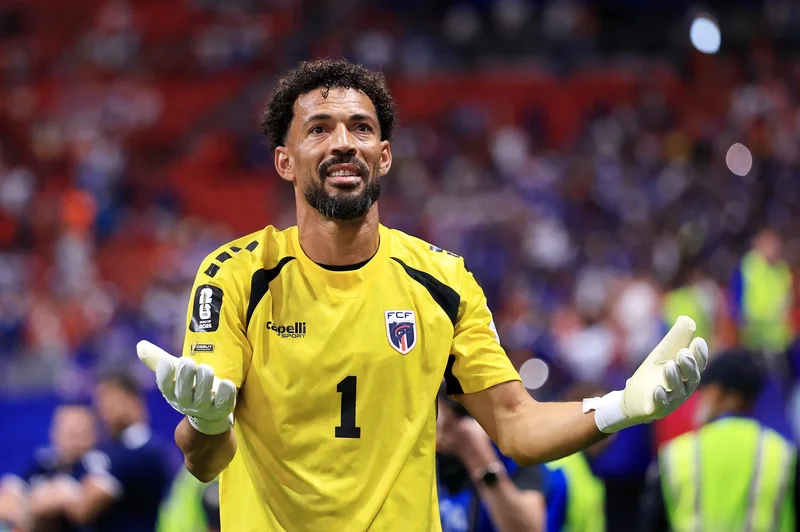
It happened on social media too. Josimar Dias, the 40-year-old Cape Verde goalkeeper making his first World Cup appearance, saw his Instagram following jump from 50,000 to 11.3 million in days.
“The most powerful brand moments aren’t always the ones we orchestrate. Sometimes they’re the ones we enable by creating products and experiences so compelling that people become your storytellers. That’s organic advocacy. And when people willingly share those moments with the world, their influence extends far beyond what any traditional campaign could achieve. That's where tomorrow's most valuable brand equity is built,” said Laners.
4. Storytelling Sells Brands, Not Products
"Great marketing isn't simply about delivering the right message. It's about delivering the right message to the right person, in the right environment, at the right time and creating the right outcome," said Greg P. Licciardi, Marketing Adjunct Professor at Fordham and author of Holy Grail of Marketing. The most successful campaigns don't focus on product features; they build a story consumers want to believe.
"They tell stories about hope, pride, family, and dreams," said Licciardi. Coca-Cola's Uncanned Emotions World Cup campaign is a case in point, continuing a lineage that traces to its iconic 1980 ‘Mean Joe Greene’ Super Bowl ad.
"Coca-Cola positions its brand as part of the shared experience in living rooms, fan festivals, public viewing parties, and stadiums around the globe. The company understands that consumers don't remember a list of product attributes; they remember how a brand made them feel," explains Licciardi.
5. Banned But Unbothered: How Non-Sponsors Out-Marketed The Sponsors
Official FIFA sponsorship runs $35 million to over $200 million per four-year cycle. Its Clean Stadium mandate requires host venues to strip or cover all non-sponsor branding.
Levi's and Heinz were not official sponsors, so both had to cover their logos inside host venues, a restriction that backfired into two of the tournament's most talked-about campaigns.
At Levi's Stadium in San Francisco, the batwing logo vanished behind a white tarp and the venue was briefly renamed San Francisco Bay Area Stadium. Levi's leaned in, swapping its Instagram profile picture for a plain white sheet and rolling the logo-free look out to storefronts worldwide.
Heinz did the same: condiment bottles taped over in the press boxes became a limited-edition ‘Unofficial Stadium Ketchup’ and a Penalty Packets campaign turning mustard into the yellow card and ketchup into the red, all without paying for official sponsorship. Heinz and Levi turned the Clean Stadium restriction into a viral marketing masterclass.
6. Not Every Moment Should Be Monetized
FIFA paused every 2026 World Cup match for three minutes for what it deemed hydration breaks, citing player welfare amid expected heat across the three host countries, and applied these uniformly to all 104 matches, unlike past breaks left to referee discretion. Critics believe the breaks had less to do with health than FIFA's desire for more ad revenue.
"The hydration break was a good marketing ploy. A break for the players and more advertising for FOX. Except that the Spanish network Telemundo did not carry the extra ads. They kept to studio commentary as they do at halftime. They wanted to maintain viewer engagement. To each his own," explained Albert M. Romano, Professor in the Advertising & Marketing Communications Program at Fashion Institute of Technology. Fox has been reported to have earned between $250 million and over $500 million from these mid-game mandatory breaks.
Brands have to decide whether to monetize attention or protect it. Fox bet on short-term revenue; Telemundo bet on viewer goodwill by keeping its own commentary running instead of cutting to ads.
The 2026 World Cup made one thing clear: reach no longer guarantees resonance. The brands that won weren't the biggest spenders; they were the ones who played the long game, gave creators real access, and let authentic moments do the talking. As marketers look toward the next global stage, that playbook will matter more than any single ad buy.