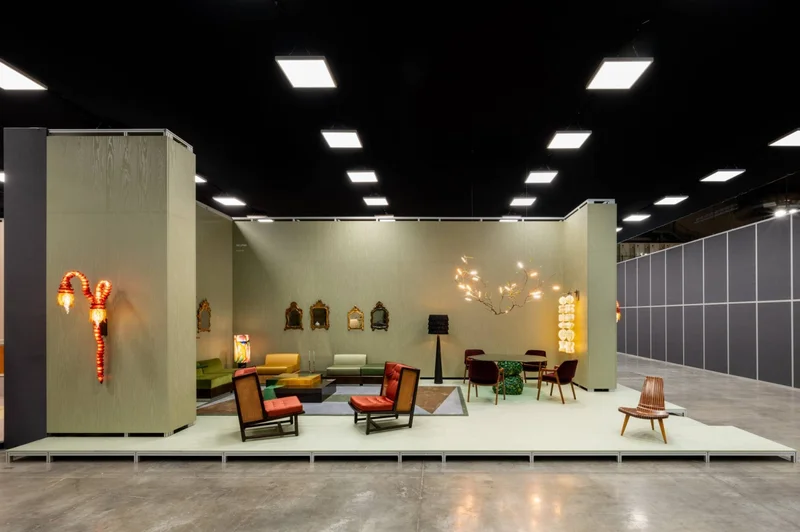
For years, “collectible design” was largely associated with rare or historically significant furniture and objects — a 1960s Poul Kjaerholm chaise longue, the ethereal transparency of a Shiro Kuramata chair or a singular Ming Dynasty tea set.
Today, however, collectible design is moving beyond its traditional place on the margins of the design world. Once largely the preserve of specialist collectors and auction houses, it is emerging as an increasingly dynamic — and accessible — design sector defined by storytelling, craftsmanship, expressive individuality and a sense of place.
Part of the appeal lies in a world where mass-produced objects can make homes and workplaces increasingly look alike. Collectible design offers an alternative to this globalized homogeneity: objects marked by authenticity, craftsmanship and a sense of human touch. At the same time, the boundaries between art, design and craft are becoming less distinct, drawing a younger generation of collectors interested in objects for more than their functions.