Click here for more articles by Kormedi.com.
Even as the worst of the summer heat passes, people might feel a sudden drop in energy. This often occurs following the prolonged heat exposure.
During heat waves and hot, humid nights, people continuously lose fluids and electrolytes through sweat. Dehydration causes fatigue, headaches, dizziness and muscle weakness.
In hot environments, the body continuously expends energy to lower its core temperature. High temperatures and humidity at night disrupt deep sleep. When sleep quality remains low for several weeks, fatigue may only surface after the heat breaks.
As the body constantly copes with heat stress during a heat wave, the accumulated fatigue can hit all at once when temperatures drop slightly. During these periods, eating regular meals and getting adequate rest should be top priorities. Eating nutrient-dense foods can help maintain steady energy.
Experts say diet affects vitality in complex ways, and specific nutrients provide a greater boost than others.
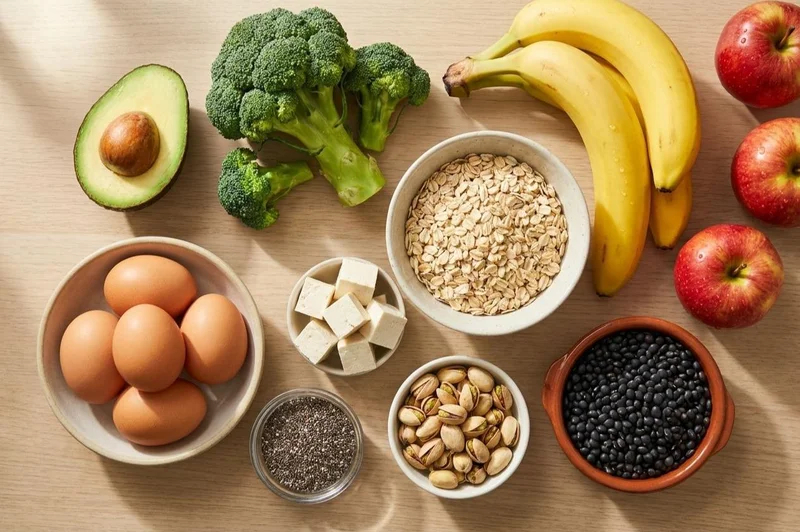
Consuming too much of these foods can cause weight gain, so moderation is key. Drawing on information from U.S. health and wellness publication Prevention, here are 10 foods that deliver essential nutrients to combat fatigue.
Eggs
Versatile and rich in protein, eggs can be used in a variety of dishes. They provide iron and vitamin B12, and recent research indicates their consumption does not raise cholesterol for most people.
Oats
Whole grains like oats provide complex carbohydrates. The high fiber content breaks down slowly, maintaining steady energy. Quinoa, brown rice and buckwheat offer similar benefits.
Apples
These are rich in carbohydrates, fiber and antioxidants. They also help lower the risk of certain cancers.
Bananas
They provide carbohydrates, potassium and fiber. One study found they are as effective as sports drinks for cyclists.
Pistachios
These nuts are an excellent source of healthy fats. These unsaturated fats break down slowly and help absorb vitamins A, D, E and K.
**Tofu **
This plant-based food is rich in protein that helps repair muscle and tissue and serves as a healthy alternative to meat or poultry.
Avocados
These fruits contain healthy fats that provide steady energy. They also support gut health.
Legumes
Beans are rich in protein and fiber. Black beans, in particular, promote gut and heart health.
Broccoli
This low-calorie, non-starchy vegetable aids digestion and maintains steady energy, serving as a solid nutritional component.
Chia seeds
These, along with flax, pumpkin and hemp seeds, are excellent sources of healthy fats. They contain high amounts of unsaturated fats that promote heart health.
Beyond diet, how else can you recover from heat-related fatigue? Here are frequently asked questions.
Q: What is the first thing to do when tired?
Prioritize sufficient sleep and hydration, and avoid skipping meals. Light walking or stretching also aids recovery.
Q: Why am I tired even after sleeping a lot?
Even with getting enough hours, poor sleep quality, an irregular lifestyle, stress, lack of exercise or nutritional imbalances could be the cause. If fatigue persists, consult a doctor.
Q: Does eating sweet foods boost energy quickly?
They spike blood sugar for a temporary lift, but the subsequent crash may actually make you feel more tired. For lasting energy, meals containing protein and fiber are better.
Q: Does coffee help restore energy?
Caffeine can help ward off sleepiness and provide a temporary boost in alertness. However, consuming too much late in the day disrupts sleep, worsening fatigue the next day.
Q: Does drinking enough water also help?
Yes. Dehydration causes fatigue and a lack of focus. It is best to drink water regularly before feeling thirsty.
Q: Doesn't exercise make you more tired?
While overtraining causes fatigue, moderate exercise like walking, light cycling or stretching improves circulation and mood.
Q: Are naps effective?
Short naps aid recovery. Generally, 10 to 30 minutes is ideal; taking naps that are too long or too late disrupts nighttime sleep.
Q: Is eating breakfast important for daily energy?
Breakfast is not strictly necessary for everyone, but for those who feel hungry in the morning or are highly active, a balanced meal containing protein, whole grains and fruit is helpful.
Q: Can energy drinks cure fatigue?
Caffeine and sugar provide a temporary boost in alertness, but they are not a long-term fix. Consuming too much disrupts sleep.
Q: Can stress lower energy levels?
Yes. Prolonged stress worsens mental fatigue, sleep quality, appetite and physical activity.
Q: How should I eat to maintain energy?
Rather than consuming large amounts of carbohydrates in one meal, opt for complex carbohydrates like whole grains along with protein, vegetables and healthy fats in moderation.
Q: Is taking iron or vitamins helpful when energy drops?
Supplements are helpful for confirmed deficiencies, but taking them unnecessarily is not the answer. Iron should only be taken after a deficiency is diagnosed.
Q: Is a sudden drop in energy normal?
Temporary fatigue from lack of sleep, delayed meals, dehydration, heat or stress is normal. However, if severe fatigue recurs without a clear cause or persists, you should consult a doctor.
This article from Kormedi.com, Korea’s top health care and medical portal, is translated by a generative AI system and edited by The Korea Times.