Nigeria Inflation Drops to 15.43 Percent in July 2026
Nigeria · ECONOMY
What the July numbers show
The National Bureau of Statistics (NBS) reported that headline inflation fell to 15.43 percent in July 2026, a drop of 0.48 percentage points from June’s 15.91 percent. The reading was sharply lower than the 24.94 percent recorded in July 2025.
Yet the Consumer Price Index (CPI) itself rose from 143.0 points in June to 145.3 points in July. Month-on-month inflation remained at 1.57 percent, meaning prices were still climbing even as the annual rate eased.
Food inflation hit 5.56 percent month-on-month in July, underscoring persistent pressure on households. The picture is one of disinflation, not victory: the speed of price increases is slowing, but the cost of living continues to rise.
Why Nigeria inflation drops but prices still climb
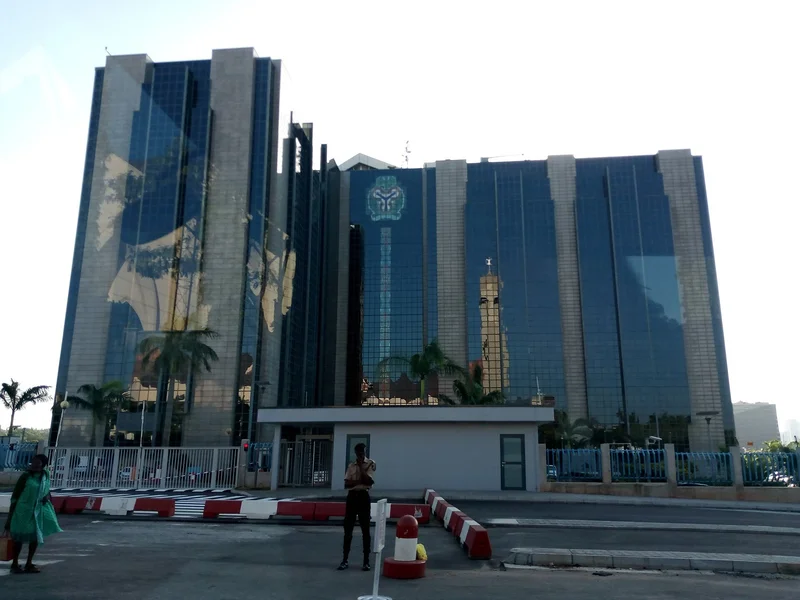
The Central Bank of Nigeria (CBN) has kept monetary policy deliberately tight. At its 306th Monetary Policy Committee meeting on 20–21 July 2026, the bank left the Monetary Policy Rate at 26.5 percent.
It also retained the corridor at +50/-450 basis points and kept the Cash Reserve Requirement at 45 percent for deposit money banks, 16 percent for merchant banks, and 75 percent for non-TSA public-sector deposits. These settings are designed to drain liquidity and anchor inflation expectations.
The CBN cited heightened Middle East geopolitical tensions among the external risks behind its caution. Such tensions raise the risk of imported inflation through higher oil prices and shipping costs, which would feed directly into Nigerian price levels.
The reform agenda behind the slowdown
The current anti-inflation strategy is part of a broader restructuring push under President Bola Tinubu. Reuters described the programme as Nigeria’s most comprehensive economic overhaul in decades, including fuel-subsidy removal, naira devaluations and tax-system changes.
The CBN’s own reform agenda aims to shift toward formal inflation targeting, with a longer-term goal of single-digit inflation and greater exchange-rate stability. Bloomberg reported that the bank’s phased plan envisages inflation at 16.5 percent in 2026 and 13 percent by 2027.
The International Monetary Fund has backed a tight, data-dependent stance, saying policy should remain focused on bringing inflation down and anchoring expectations. The World Bank has similarly urged Nigeria to coordinate exchange-rate, trade, monetary and fiscal policy rather than relying on broad subsidies.
Geopolitics and the great-power angle
Nigeria’s inflation story is now tied to global power politics, not just domestic economics. Oil prices, shipping insurance and dollar liquidity all affect imported inflation, and the CBN explicitly flagged Middle East geopolitical tensions among the risks behind its July pause.
Nigeria remains a major oil exporter but is also highly exposed to imported food, fuel and industrial inputs. When global energy prices rise, domestic inflation and the naira usually come under pressure, creating a policy bind for the central bank.
This dynamic sits inside a broader contest for influence across Africa. Multilateral institutions such as the IMF and World Bank are pushing orthodox stabilisation, while global energy shocks and dollar strength can still overwhelm domestic policy gains, as explored in Africa: The New Scramble.
What to watch next
The inflation slowdown strengthens the case for gradual easing later in the year, but the CBN has signalled it is not rushing. A premature rate cut could weaken the naira and revive price pressures, policymakers have warned.
The chronology shows how far Nigeria has come: inflation was above 34 percent in December 2024, fell to 15.15 percent by December 2025, and hit 15.06 percent in February 2026 before edging up in March. Part of that step-down reflects the NBS rebasing of the CPI to a 2024 base year, effective from January 2025, which lowered the reported rate; the July reading of 15.43 percent keeps the rate within a narrow band.
The real test is whether disinflation can be sustained without another exchange-rate shock, oil-price spike or food-supply disruption. For now, the CBN’s credibility rests on proving that tight policy, not administrative controls, can deliver durable price stability.
Frequently Asked Questions
What is Nigeria’s current inflation rate?
Nigeria’s headline inflation rate was 15.43 percent in July 2026, down from 15.91 percent in June and 24.94 percent in July 2025.
Why did the Central Bank of Nigeria keep interest rates at 26.5 percent?
The CBN held its Monetary Policy Rate at 26.5 percent in July 2026 partly because of heightened Middle East geopolitical tensions, which could push up oil prices and imported inflation.
Are prices still rising in Nigeria even though inflation is falling?
Yes, the Consumer Price Index rose from 143.0 points in June to 145.3 points in July, and month-on-month inflation remained at 1.57 percent.
Sources
This article was produced by The Rio Times’ automated newsroom system. How we use AI · Report an error
LatAm Markets: Live Signals → — real-time movers, turnover leaders and FX across Latin America.