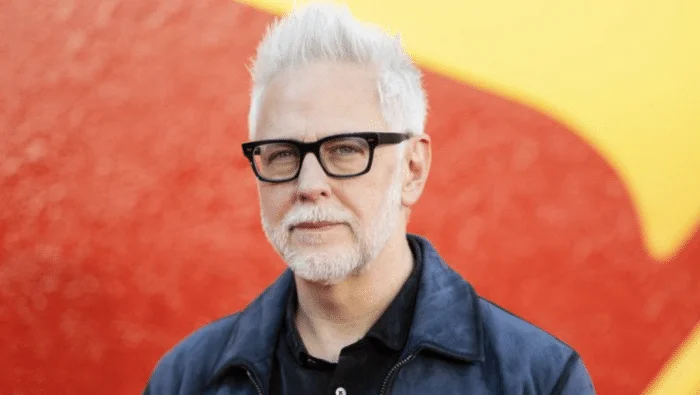
James Gunn’s DC Universe is already crumbling
The new DCU Universe (DCU) under the stewardship of James Gunn is officially experiencing a severe case of cinematic vertigo. It stands as absolute proof that simply playing musical chairs with director seats and hitting the collective reset button was never going to be the quick-fix, magic cure-all that Warner Bros. Discovery so desperately craved.
Let us look closely at the cold, hard, unyielding facts staring us right in the face in this current year of 2026. While Gunn’s flagship offering Superman (2025) managed to pull in a respectable—if not entirely earth-shattering—$615+ million global box office haul, the brand’s forward momentum did not merely slow down; it crashed violently into an absolute brick wall. Craig Gillespie’s Supergirl (2026), despite being heavily adapted from the universally celebrated Woman of Tomorrow comic book run, has transformed into a historic box-office disaster.
Article continues after this advertisement
It scraped together a miserable, bottom-of-the-barrel $126 million worldwide against a bloated blockbuster budget. Compounded by a catastrophic 74% second weekend drop and the single lowest week-4 box office track record in the entire history of DC on the silver screen, the multi-billion-dollar franchise is now officially screaming for a critical lifeline.
As a lifelong comic book collector and reader who has watched cyclical Hollywood studio trends shift, I see exactly why James Gunn’s grand blueprint is fracturing from within. Let me break it down in my no-holds-barred signature analytical style. Here are the reasons why this ambitious cinematic reboot is failing to connect with audiences—and what James Gunn should have done from day one to keep the DC brand from plummeting into creative obscurity.
Chapter one is already faltering
James Gunn’s signature blueprint of classic needle-drops, quirky workplace humor, and obscure, fringe comic book oddities admittedly worked like a charm for Marvel’s Guardians of the Galaxy. It was fresh, it was subversively funny, and it perfectly suited a ragtag group of cosmic misfits. However, when that precise stylistic template is forced into the core fabric of DC’s premier pantheon, the results quickly lose their luster. Instead of feeling like an inspired revitalization, it comes across as a recycled and heavily over-relied-upon trick.
Moviegoers and long-time fans did not line up at the box office wanting to see what is essentially Guardians of the Galaxy Vol. DC. They wanted a bold, definitive, and structurally unique new direction for these iconic characters—not a carbon-copied tonal formula that has already run its course.
A baffling tonal whiplash
Make no mistake about it, dear readers: we are witnessing a cinematic identity crisis in real-time. Superman gallantly tried to offer us a brightly lit, deeply optimistic Clark Kent, only for Supergirl to immediately pivot into a miserable, whiskey-fueled, space-opera body horror spectacle. It is a jarring transition that leaves casual moviegoers utterly bewildered about what this cinematic universe is actually trying to achieve on the big screen.
Article continues after this advertisement
Stunt casting over genuine world-building
Let us be completely honest with ourselves—bringing in Jason Momoa to portray Lobo right after his iconic, long-running stint as Aquaman feels less like an organic creative breakthrough and more like a calculated internet stunt. It is designed purely to game social media algorithms and appease volatile fanbases rather than build a cohesive, believable narrative world.
Neglecting the legendary icons
How can we sustain an entire multi-million-dollar franchise when the crown jewels are left gathering dust? While niche, fringe comic book characters like the Creature Commandos and Clayface bask in the spotlight, cornerstone icons like Batman and Wonder Woman remain trapped in endless development limbo without a single definitive theatrical release date in sight. You simply cannot expect mainstream audiences to care about the outer fringes of a comic book universe when the heavy hitters are completely missing in action.
Article continues after this advertisement
The alternate blueprint: what Gunn should have done instead
Sadly, Hollywood never learns from its past sins, and Warner Bros. is on the verge of repeating history if it doesn’t tether its ambitions to reality. If the newly minted DCU wants to survive the unforgiving gauntlet of modern cinema, it needs to stop sprinting before it can even crawl.
The sacred trinity must stand alone first
Instead of recklessly plunging headfirst into obscure comic book character spin-offs and sprawling cosmic lore that casual audiences couldn’t care less about, Chapter One demanded a rock-solid, old-school foundation. We needed three definitive, consecutive solo films Superman, Batman, and Wonder Woman. Period. By refusing to give audiences a firm, uninterrupted look at the core heroes first, the studio risks fracturing its creative anchor before it can even branch off into highly volatile, risky space adventures. Establish the royalty before you invite us to the rest of the kingdom, is what I say on that matter.
Check the ‘Gunn Humor’ at the executive door
Let’s give credit where it’s due: James Gunn is a phenomenal director with a brilliant, idiosyncratic mind. But there is a massive, dangerous difference between being a visionary auteur and acting as a studio executive overseeing an entire cinematic universe. He must resist the urge to inject his distinct stylistic tropes into every corner of this world. Case in point: Supergirl. That property needed to completely embrace its natural, epic sci-fi source material—pure, unadulterated, and sweeping. Instead, there is a looming dread that it will be bogged down by those all-too-familiar, tongue-in-cheek superhero mannerisms. Give your hired filmmakers complete, uncompromised freedom, or suffer the fatigue of creative monotony.
The ‘Elseworlds’ brand was your ultimate safety net
If Warner Bros. truly wanted to test the waters with operatic space odysseys, eccentric team-ups, or bizarre genre experiments, the mechanism was already sitting right in front of them: the standalone “Elseworlds” banner. That is where you isolate the high-risk gambles. Funneling those eccentricities through Elseworlds would have kept the mainline DCU laser-focused, narratively cohesive, and incredibly easy for casual moviegoers to follow. By failing to use it as a soft launchpad, they are unnecessarily risking the commercial viability of the main timeline on creative whims that belong in the margins, not the mainstream.
In closing, Warner Bros. CEO David Zaslav has finally broken his silence on the studio’s future strategy, but let’s be entirely honest: DC Studios is on a razor’s edge, and the room for error has officially vanished. With internet circles loudly clamoring for alternative creative directions, the upcoming slate faces an incredibly steep uphill battle. Look no further than Clayface dropping later this year—a choice that perfectly encapsulates the current identity crisis. James Gunn needs to pivot immediately. The time for niche, Comic-Con pandering is over. If DC wants to survive, it must return to the foundational, larger-than-life heroics that made these comic book characters global pop culture icons.