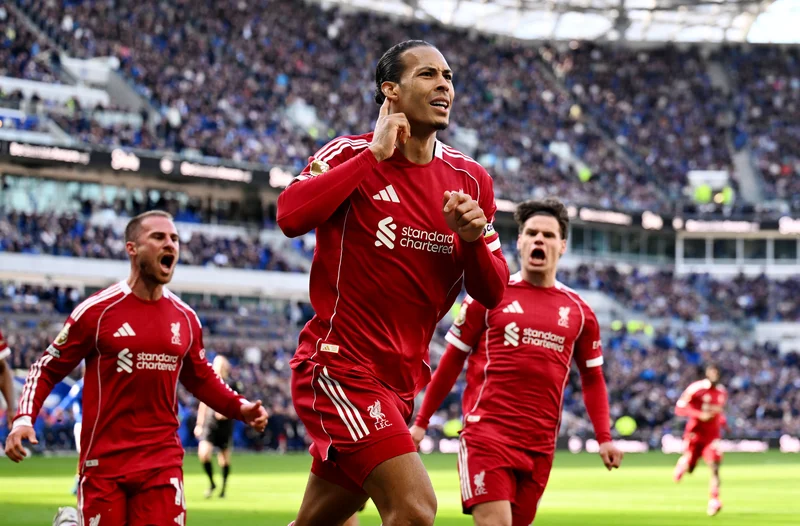
Fenway Sports Group sold a minority stake in Liverpool Football Club to a consortium including Jeff Bezos on Friday, in a deal worth over $7 billion.
Almost 16 years after the Boston-based group rescued Liverpool from the brink of administration for a cut-price £300 million ($405.9 million), FSG partially cashes out with an enormous return on investment after a remarkable turnaround that saw the Merseyside club win multiple domestic and European trophies.
But while English football clubs are increasingly drawing interest from sophisticated investors across the globe, they remain risky and often unprofitable ventures.
Deloitte's annual football finance review found that aggregate pre-tax losses for the 20 English Premier League clubs totaled £948 million in the 2024/25 season, a "notable deterioration" of more than 600% from the previous season.
Only eight clubs reported an operating profit that year, compared to 13 in the season before, according to Deloitte.
Inflated transfer fees for players are a key driver of high operating costs.
"With expenditure on player transfers having grown to keep pace with the ever-escalating race for talent, the likelihood is that this will have been another year of substantial financial losses," Deloitte researchers wrote.
But FSG's Liverpool deal demonstrates the opportunity to buy undervalued assets and sell them on at higher prices later, with growing interest in the game propelling teams to ever-higher valuations.
"Even if you're not making a profit day-in, day-out, the value of the asset is still going up, and there are plenty of assets within it that can then be licensed out," Richard Haigh, global managing director at Brand Finance, told CNBC's "Squawk Box Europe" on Monday.
This is down to the reputation and scarcity that specifically elite clubs can offer, Haigh said.
"The English Premier League really does help UK soft power," he added. "It is one of the oldest leagues in the sporting world, it has a global reach, and it is extremely lucrative in boosting business values to those who sponsor it."
Clubs are increasingly optimizing their existing revenue streams, such as matchday ticketing revenues.
"The other thing that American sports do incredibly well, which investors are looking to do in Europe, is that the stadium and surrounding real estate is a 24/7, 365-day revenue generator rather than a place that only makes money once every two weeks," said Lewis Gaut, partner and sports finance specialist at Goodwin.
UBS wrote in June that Tottenham Hotspur FC's new stadium, built in 2019 and costing £1.2 billion, contributed to commercial income jumping from £117 million in 2018 to £215 million in 2022.
In 2026, the stadium has hosted major music acts including Gorillaz, Bad Bunny and K-pop giants BTS. It is also the first purpose-built NFL stadium outside of the U.S., and hosts at least two games each year.
"Sports villages, which can offer multiple sports and other events in one destination, help to ensure that money is being generated at all times," Gaut added.
Manchester United has confirmed plans to build a new 100,000-seat stadium as part of a wider regeneration project around the local wharfside. It is estimated to cost in the region of £2 billion.
UBS said the aim of these ambitious stadium projects reflects a "broader reassessment of what football clubs represent economically: scarce assets with diversified cash flows rather than purely sporting or cultural projects."
While the benefits from infrastructure investment can take several years to materialize, investors are more focused on expanding and driving independent revenue streams.
"People buying these franchises know that sports assets are loss-making, so that's no surprise to them," Amber Pinto, partner at sports investment agency Pinto Capital, told CNBC's "Squawk Box Europe" on Friday.
"Costs are of course important, but they're not the full picture when it comes to looking at why someone is going to invest or buy into a top ten sports franchise nowadays."