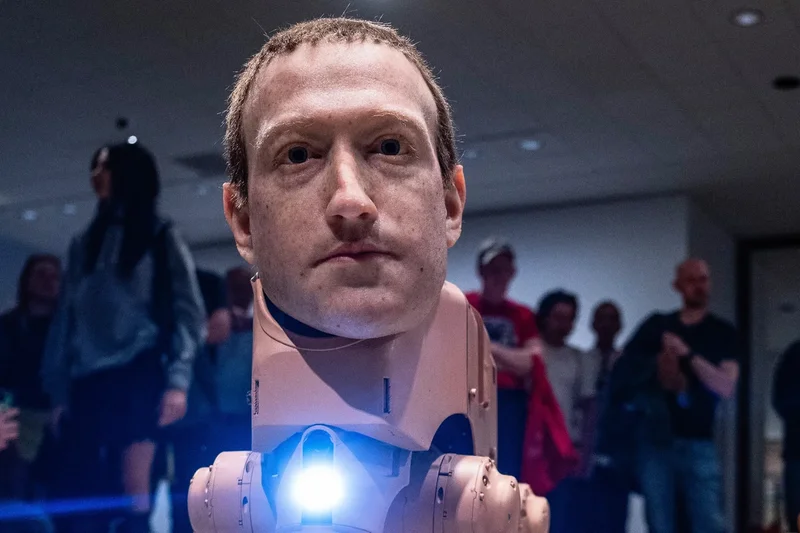
Meta is about to face a reckoning, of the kind that could dramatically change Instagram and Facebook, and could even threaten their existence. In one sense, it has been a long time coming; in another, it seemed like it might never happen at all.
The reckoning comes in the form of a new court case, beginning today in California, during which Meta chief executive Mark Zuckerberg and Instagram head Adam Mosseri will testify. They will answer a charge that has long been made against them: that the product they make have damaged the wellbeing of the young people who use them.
Meta says the claims are unsubstantiated and that it has in fact protected children from their harms. Zuckerberg, Mosseri and others will presumably make that case in more detail during the case.
If they can't, the changes could be dramatic. Meta has said that it could be fined up to $1.4 trillion – it is only valued at $1.5 trillion – and the attorneys general that are bringing the case have asked for a range of other changes, including tighter age restrictions and a ban on features such as infinite scroll.
If that happens, then Instagram and Facebook could change dramatically. And that matters not only for the future; it would be a recognition that some of the central features of those apps, such as their constant prodding of users to stay engaged, were structurally damaging.
The current lawsuit goes back to 2023, and is being brought by a coalition of states against parent company Meta that was the result of an investigation into Instagram and Facebook. It goes back even further, all the way back to at least 2021, when whistleblower Frances Haugen claimed to the US Senate that the company was aware of the dangers of its products but favoured increasing profits over keeping children safe.
But really all of that goes back even further, more than a decade, during which more and more people voiced concern that social networks were damaging us. But even as the concern mounted, there was very little actual action to be seen.
For a long time, the ills of social media were known but not acted on. They were high-stakes but low-urgency, and so discussion of them was more akin to the way people might talk about bad weather, or the weak performance of their football team, or the low quality of today's TV.
Now, however, the tide is changing. It is not only the run of court cases that Meta has been fighting; it is in the introduction of age limits and other internet restrictions across the world, and a growing consumer movement to limit our and our children's screen time.
All of that means that in a certain – admittedly less dramatic – sense, the reckoning has already arrived. Whether Meta wins or loses its court case, and whatever changes are imposed as a result, our attitude towards social network's and their damage has already changed profoundly.
This might be the thing that worries Meta, more than a court case that could be expensive, transformative and damaging but from which it can eventually move on. Something profound has already happened in our relationship with their product, and will keep happening, whatever a Californian judge rules.
None of that is to undersell the significance of the case. But part of its significance is precisely that it seemed that it would never happen, and now feels somewhat inevitable.